Tue 02 Sep 2025 ▪
6 min read
▪
by
The debt is making headlines again on both sides of the Atlantic. Bitcoin is ready to soar if the Fed and the ECB were to bring back the printing press.
The debt is making headlines again on both sides of the Atlantic. Bitcoin is ready to soar if the Fed and the ECB were to bring back the printing press.
In the midst of geopolitical reshuffling, the European Union and the United States have just ratified a trade compromise presented as a bulwark against escalation. Supported by Ursula von der Leyen, but strongly criticized by Mario Draghi, the text crystallizes a European dilemma: guaranteeing transatlantic stability or fully defending the continent's industrial interests. Between diplomatic balance and tariff concessions, this new agreement revives the debate on Europe's economic sovereignty.
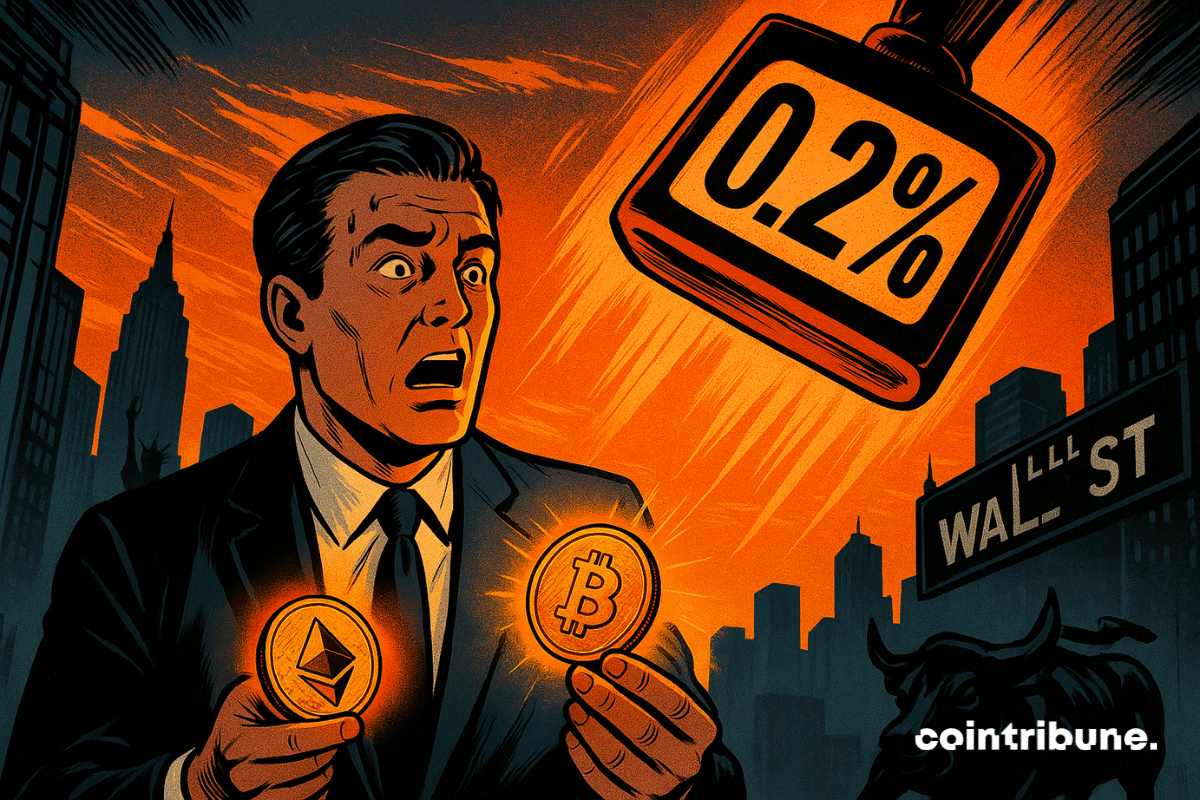
A new proposal in the New York State Assembly aims to impose a small tax on cryptocurrency sales and transfers. Assemblymember Phil Steck has introduced legislation seeking a 0.2% excise tax on digital asset transactions, including cryptocurrencies and non-fungible tokens (NFTs). The bill, if passed, could reshape the way the state approaches digital finance while channeling revenue into school-based substance abuse prevention programs.
While the majority anticipated a Fed rate cut in September, a key indicator casts doubt. The latest Producer Price Index (PPI) release rekindles inflation fears and cools hopes for monetary easing. This subtle but meaningful reversal reshuffles the deck in a context where Fed policy dictates the rhythm of risky assets, and more than ever, that of the crypto market.
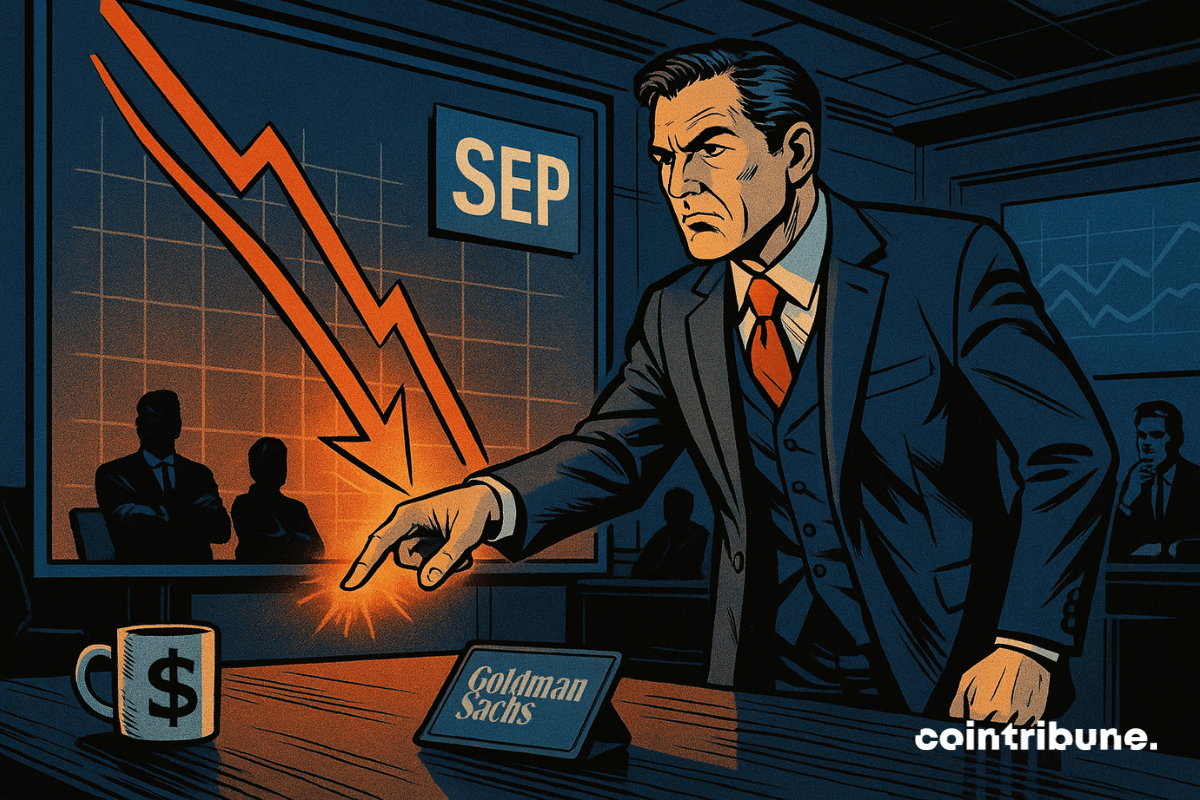
The U.S. Federal Reserve could initiate a major shift as early as September with a first reduction in its key rates. A scenario now considered by several large banks, including Goldman Sachs, which reshapes the outlook for financial markets. For crypto investors, faced for months with a restrictive monetary context, this expected pivot could rekindle the appetite for risk and serve as a catalyst for a new bullish cycle.
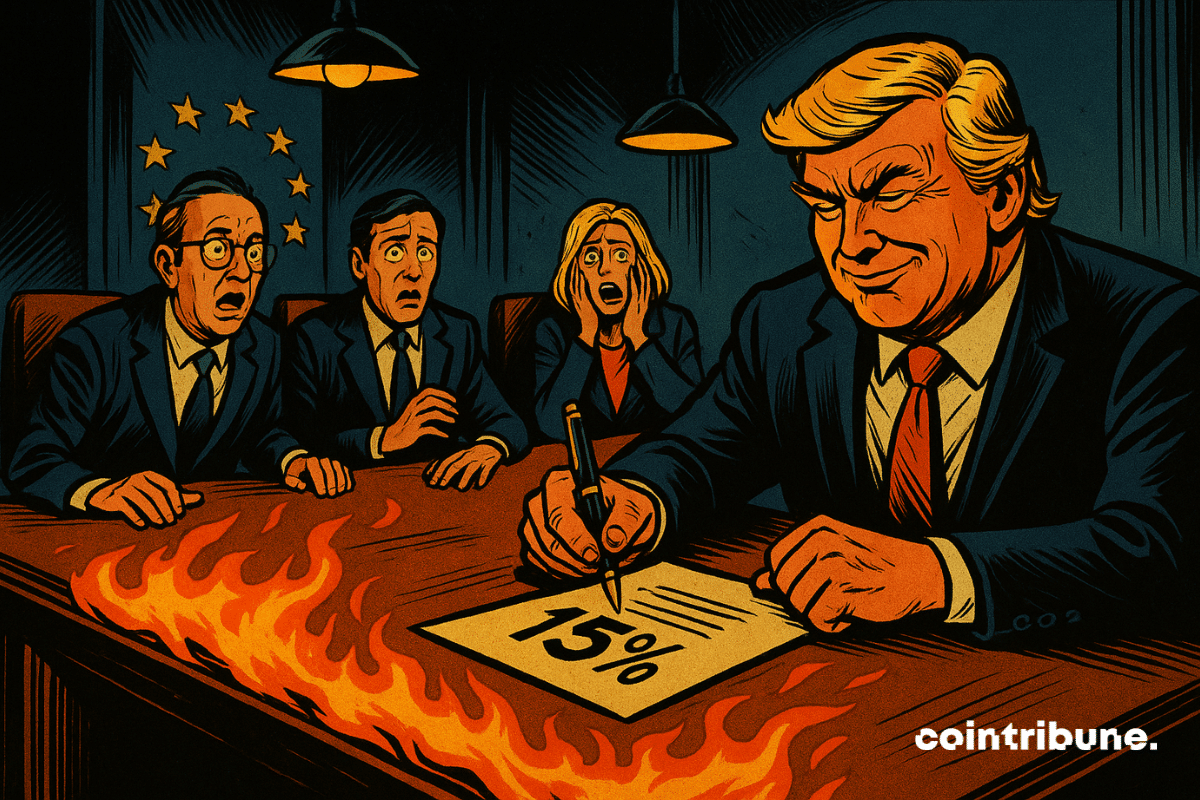
As global trade lines are redrawn under geopolitical pressure, Donald Trump reveals his cards. Before a meeting in Scotland with Ursula von der Leyen, the American president warns: no customs tariff lower than 15% will be granted to the European Union. This firm stance, with direct repercussions on transatlantic flows, could also impact strategic sectors such as digital and blockchain. Behind this maneuver lies an economic showdown between two opposing views of commercial sovereignty.
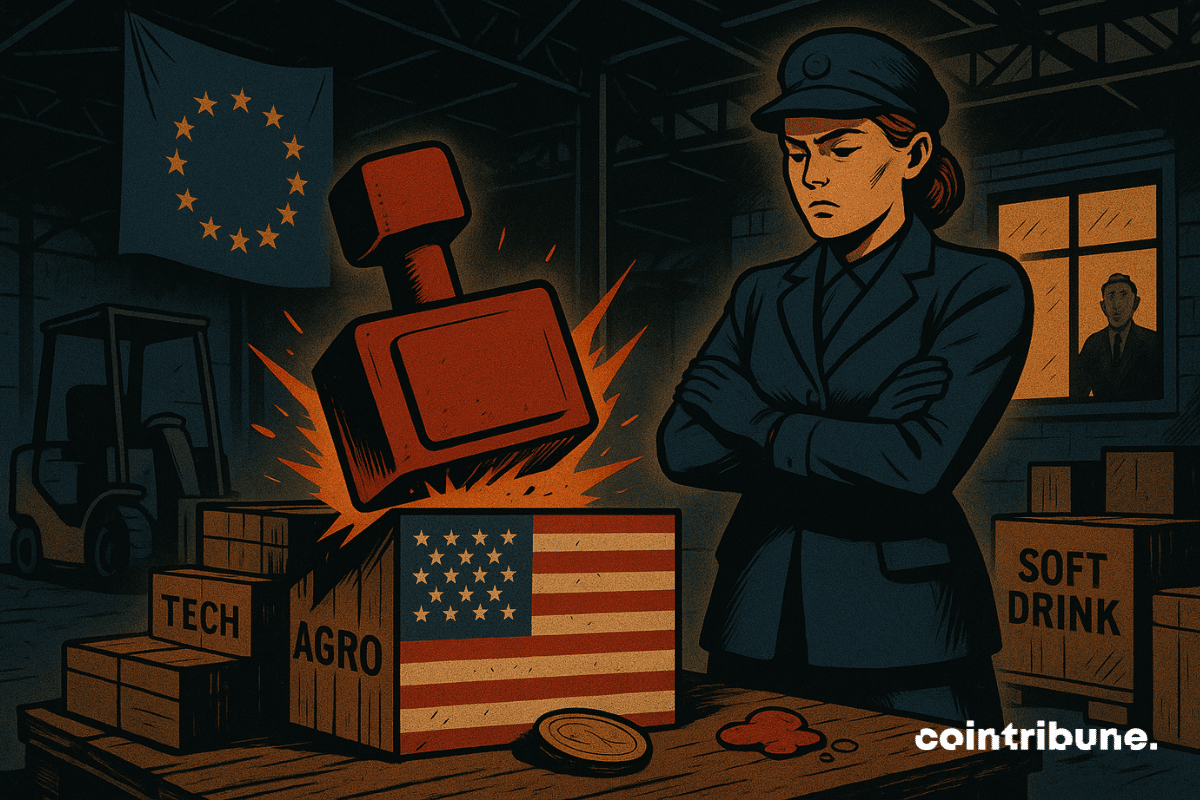
In response to the increase in customs duties decreed by Donald Trump, 30% on European imports starting August 1st, Brussels is deploying heavy artillery. The Commission has approved a counter-tariff attack of 93 billion euros, targeting strategic American sectors. An economic escalation is unfolding between two major blocs, against a backdrop of political tensions and fragile global trade.
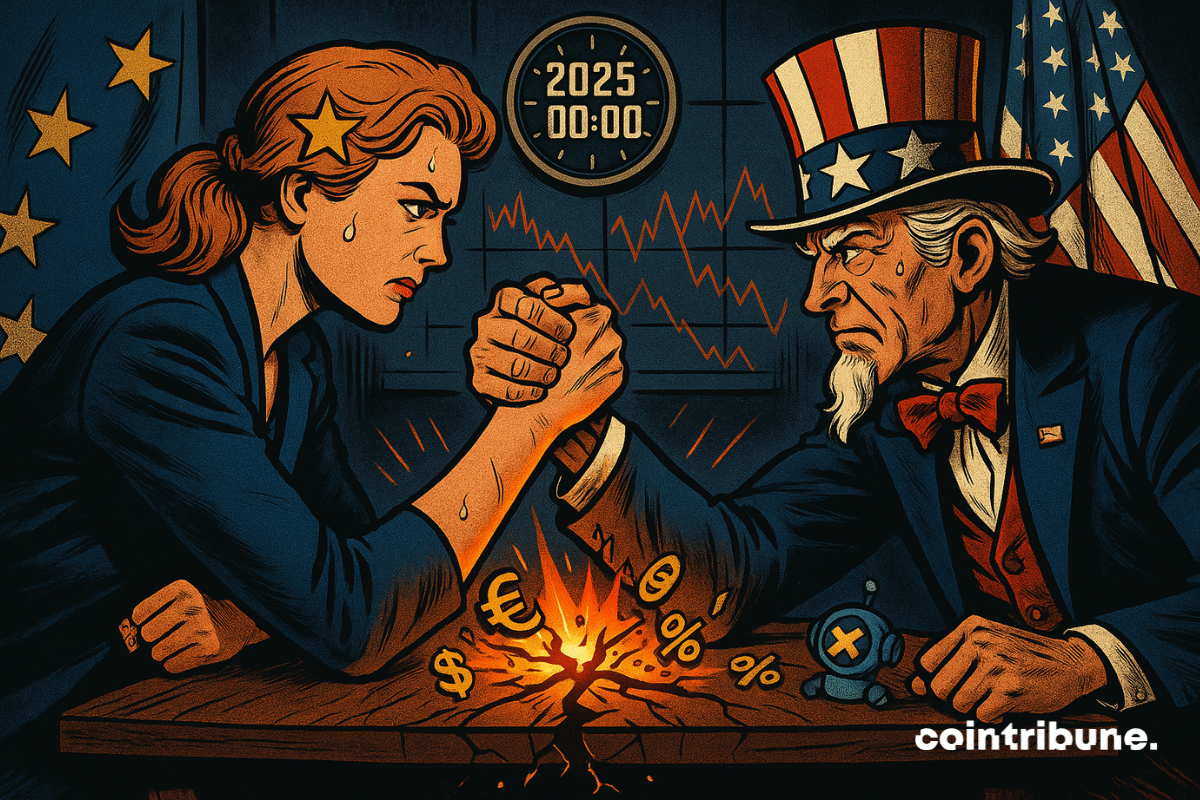
Brussels holds its breath. As August 1st approaches, the trade dispute with Washington slides into strategic confrontation. In the face of the threat of a 30% surcharge on European imports, Paris and Berlin demand a firm response. Their goal: to push the EU to activate, for the first time, the anti-coercion instrument.
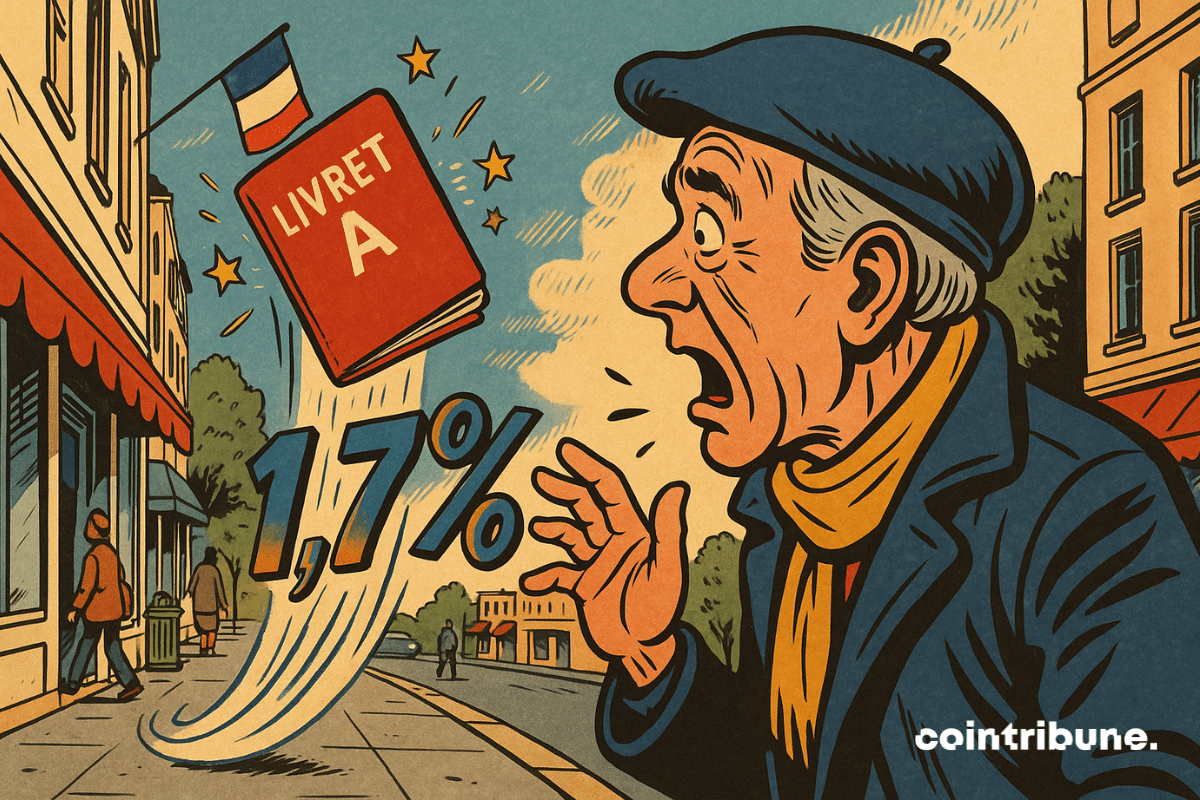
The preferred savings account of the French is about to face a serious setback. The rate of the Livret A, held by more than 55 million people, will drop to 1.7% on August 1, 2025, down from 2.4% today. This is a significant decline, the largest since 2009, validated by the Banque de France and in accordance with the regulatory formula. In an still fragile economic climate, this decision reignites the debate on the profitability of regulated savings and raises questions about the future choices of savers in search of alternative solutions.
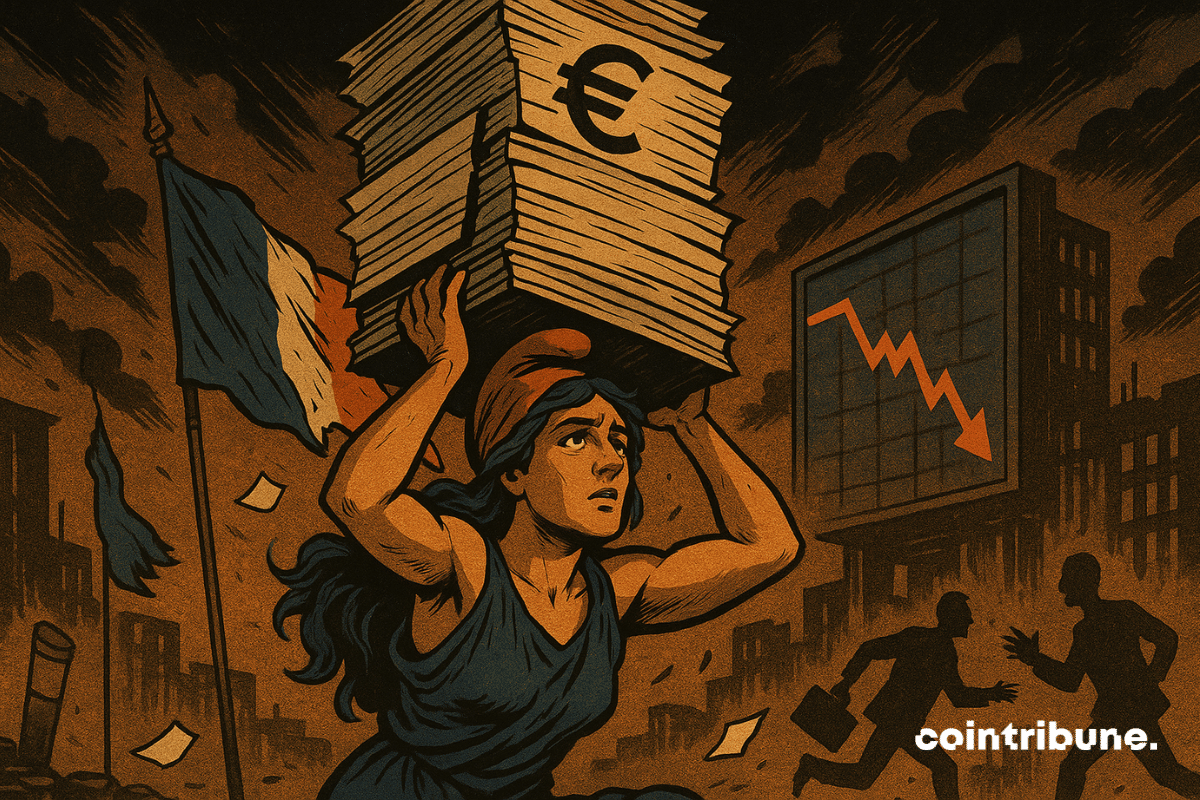
Since the beginning of July, investors have been lending to Italy at a lower rate than that demanded for France. Indeed, the curve has inverted for the first time since 2005, weakening Paris's position in the hierarchy of sovereign risk in the euro area. Yet, France maintains a better rating. This paradox points to a perceptible reality: markets are doubtful. And in this hesitation, alternative assets are gaining ground.
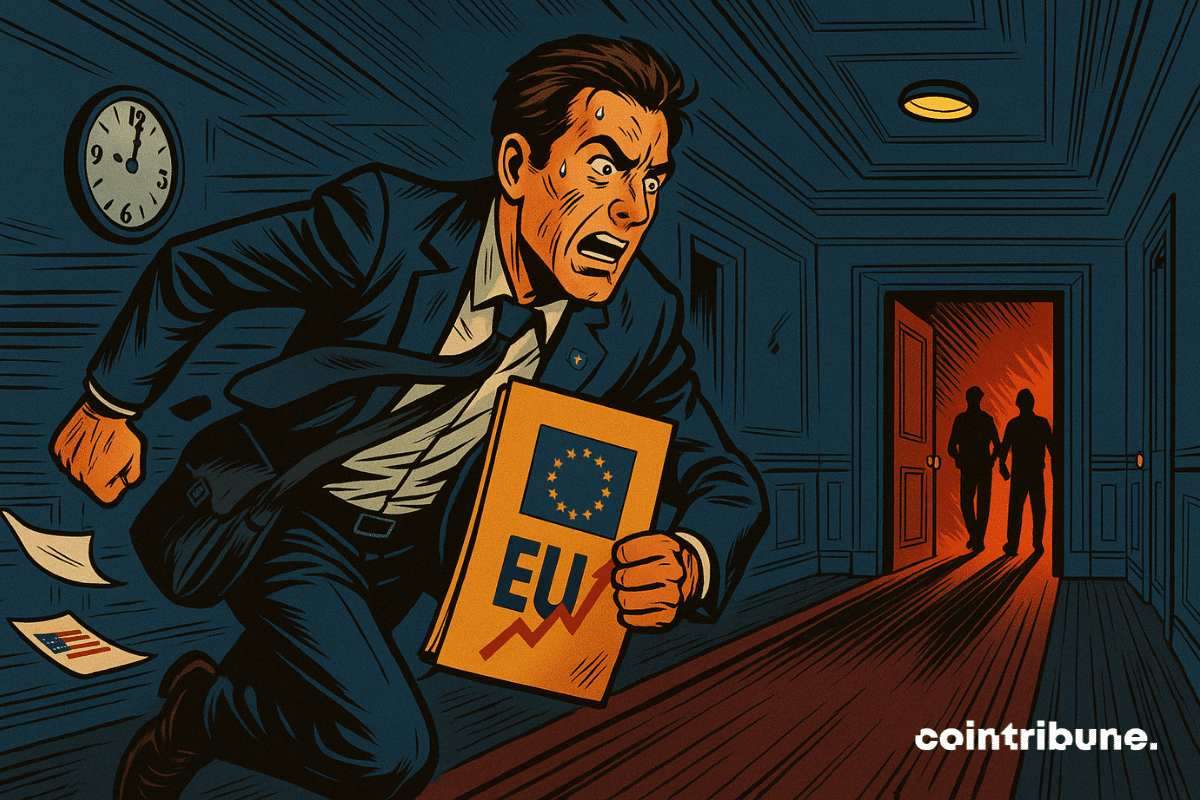
At a time when trade tensions are reshaping global power dynamics, Europe faces a direct threat: Washington has imposed a deadline of July 9 to reach a bilateral agreement. After this date, tariffs of up to 70% would hit European exports starting August 1. In this high-tension climate, Brussels is attempting to avoid a head-on clash with a U.S. administration determined to enforce its rules. An express negotiation is underway to prevent a shift to a tariff confrontation.
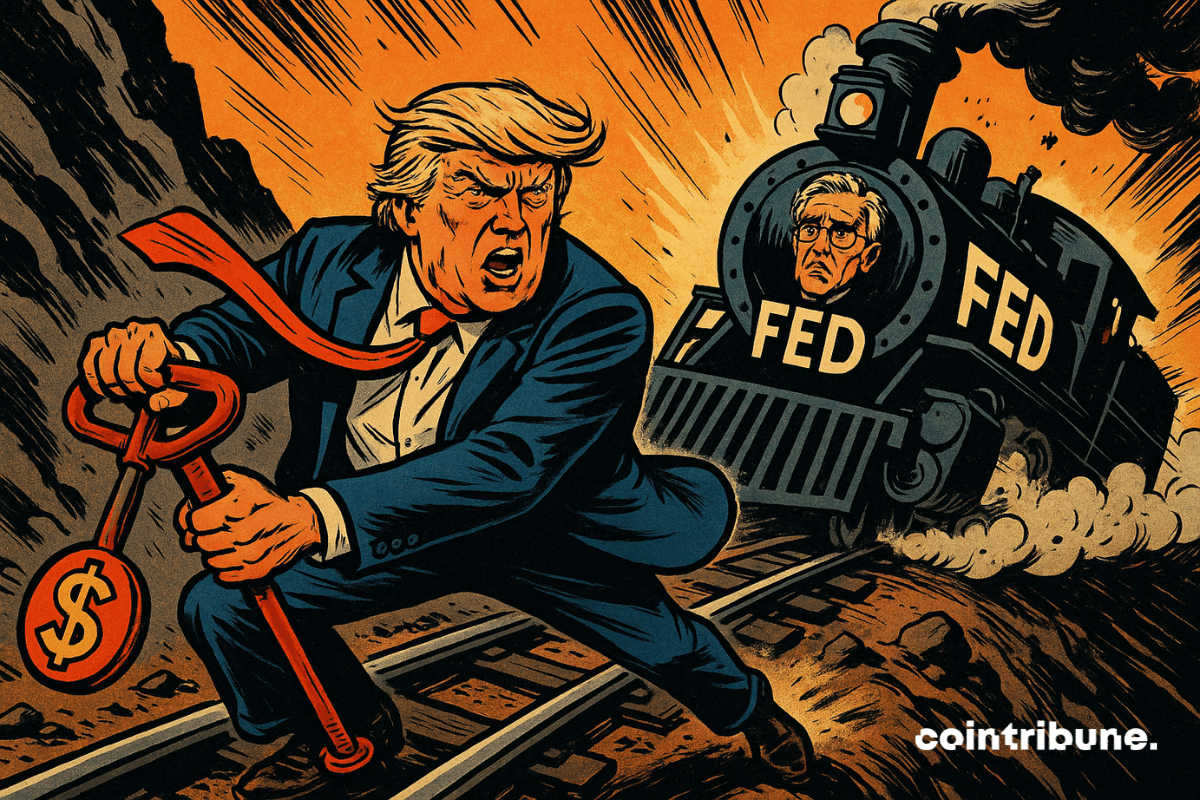
While markets were expecting a clear monetary shift in 2025, Jerome Powell, the chairman of the Federal Reserve, dampened hopes by pointing to an unexpected culprit: Trump. Yes, Donald Trump, back in the White House since January, is leaving his mark on the American economy, to the point of forcing the Fed to play for time. In a context where every word matters, Powell dropped a diplomatic bombshell, accusing Trump's policies of blocking interest rate cuts.
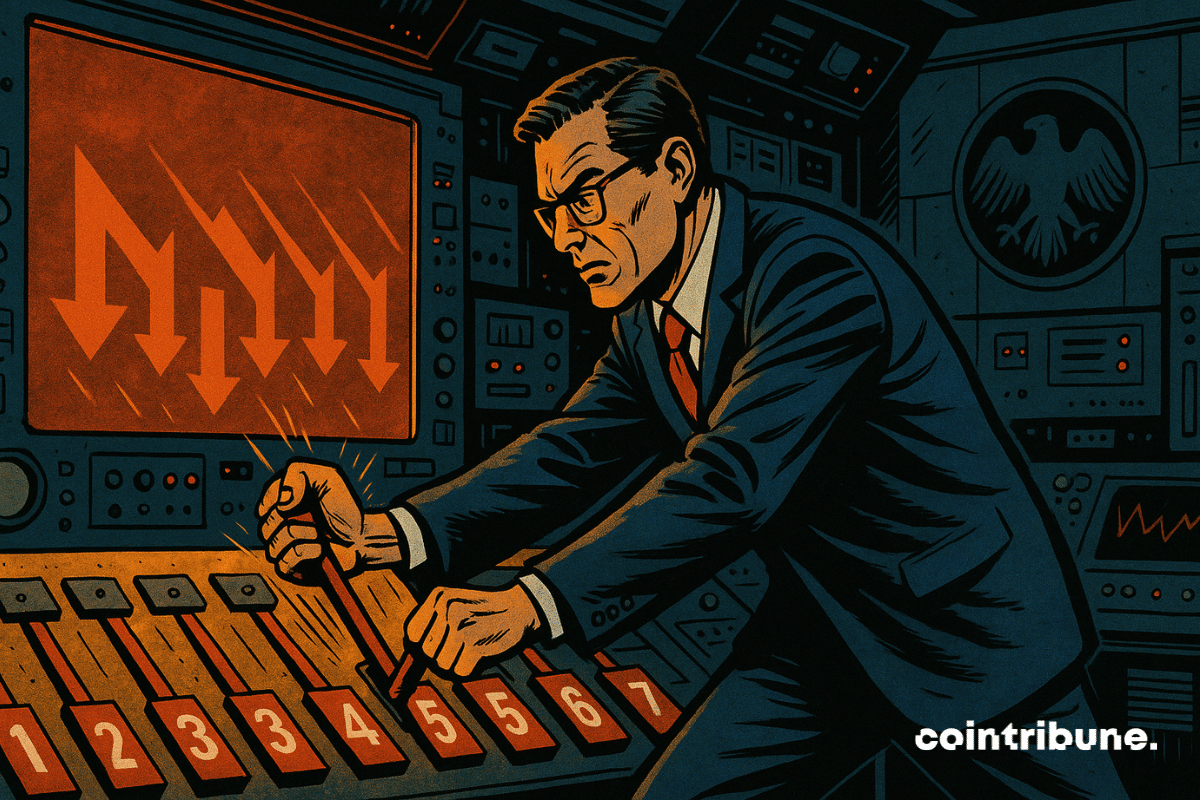
In an economic climate marked by geopolitical tensions and a wait-and-see approach regarding the Fed's decisions, Morgan Stanley disrupts the consensus. The investment bank anticipates seven rate cuts in 2026, starting in March, with a terminal rate between 2.5% and 2.75%. This sharp projection, published on June 25th, contrasts with the prevailing caution and reignites debates about the U.S. monetary calendar.
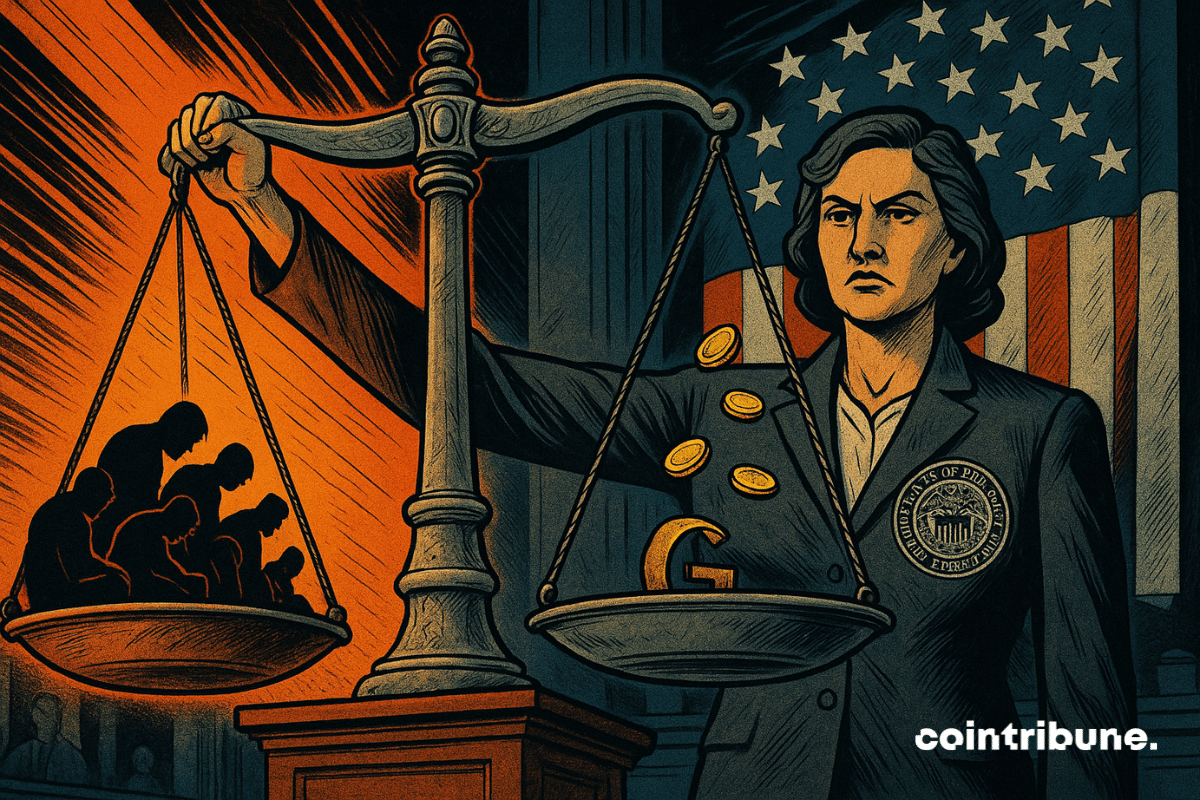
When Trump insults, Waller anticipates, Powell temporizes and the economy stalls: who will win this strange dance of rates orchestrated between inflation, unemployment, and a monetary nerve war?
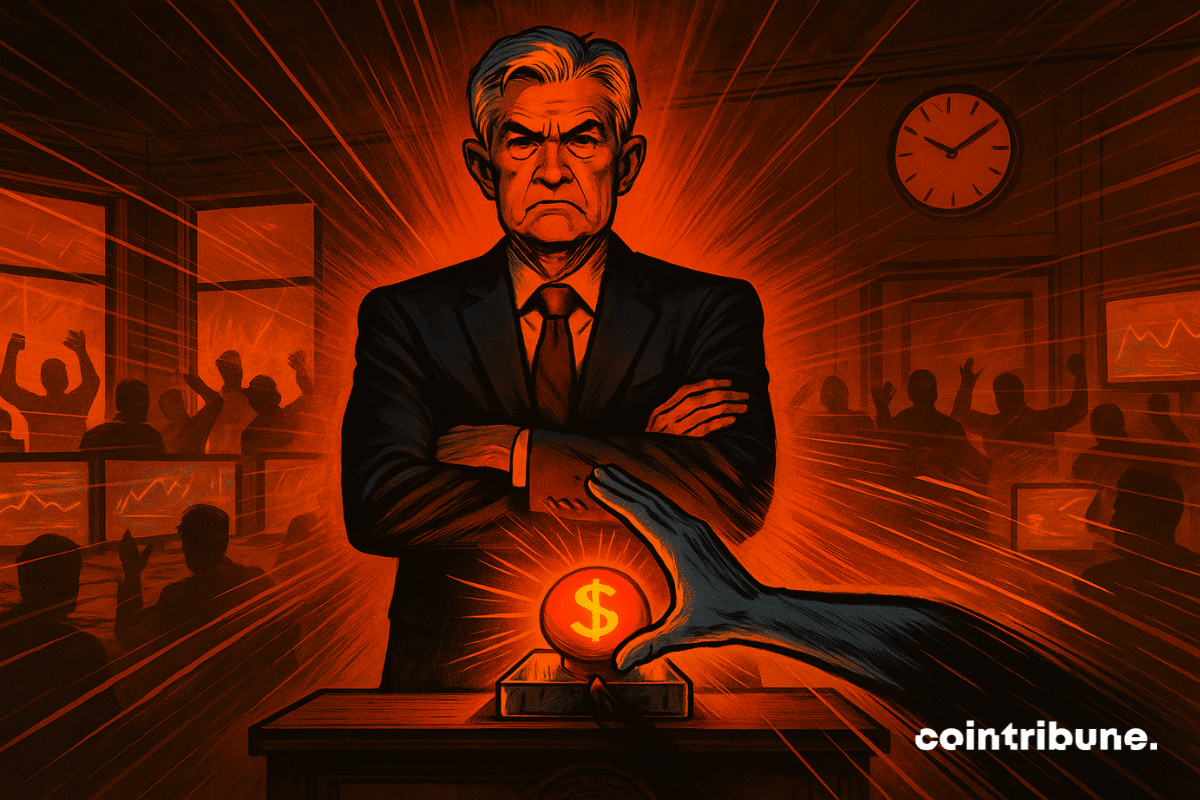
By maintaining its benchmark rates for the fourth consecutive time, the Fed has not simply extended a monetary policy. It has taken a stance in a tense economic and political landscape. Stubborn inflation, weakened growth, barely concealed political pressure... The status quo decided on June 18 resembles a statement of intent. Behind the silence of the numbers, a strategy of resistance is taking shape as the central bank finds itself at the heart of an increasingly unstable balancing act.
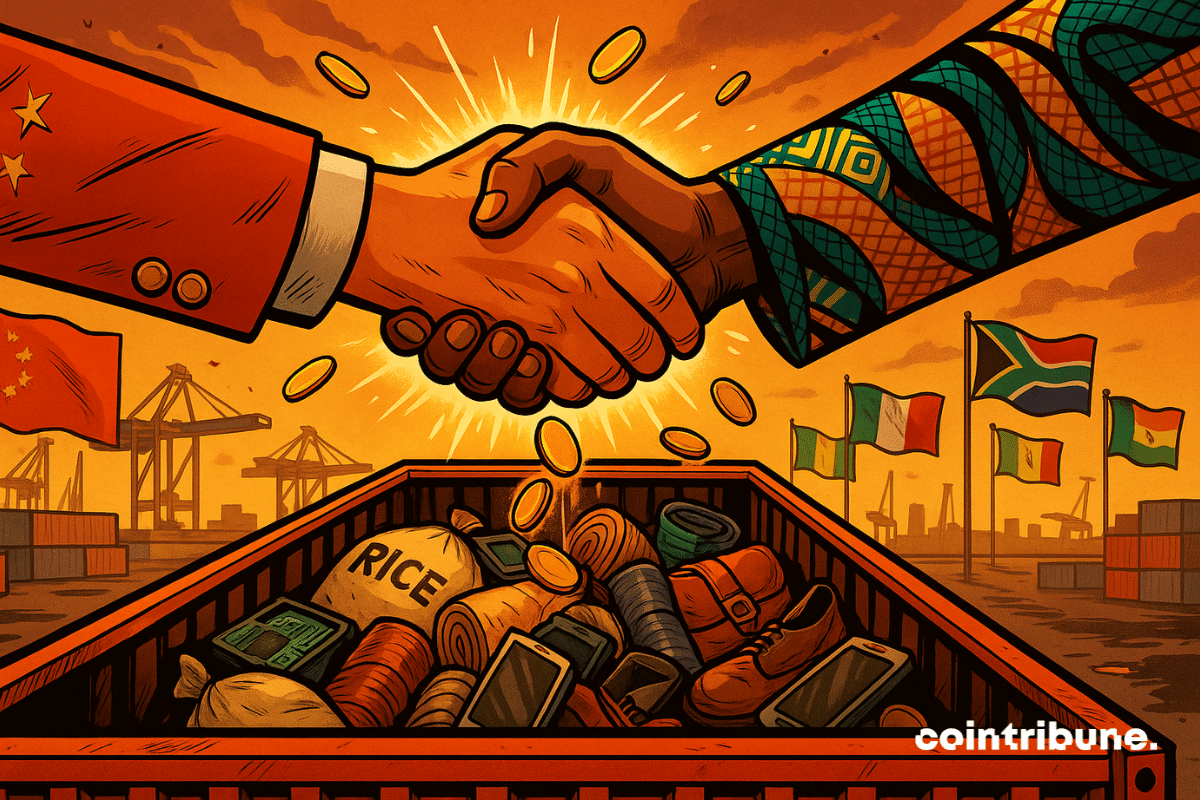
In the turmoil of global commercial reconfigurations, Beijing is advancing its pawns. China announces the complete removal of tariffs on exports from 53 African countries, expanding preferential access to its market. Behind this gesture lies a targeted diplomatic offensive as Washington, under the leadership of Donald Trump, reactivates protectionist levers against the continent. Africa, long peripheral in geo-economic arbitration, is becoming the epicenter of a clash of influences where industrial ambitions, strategic alliances, and narratives of sovereignty intersect.
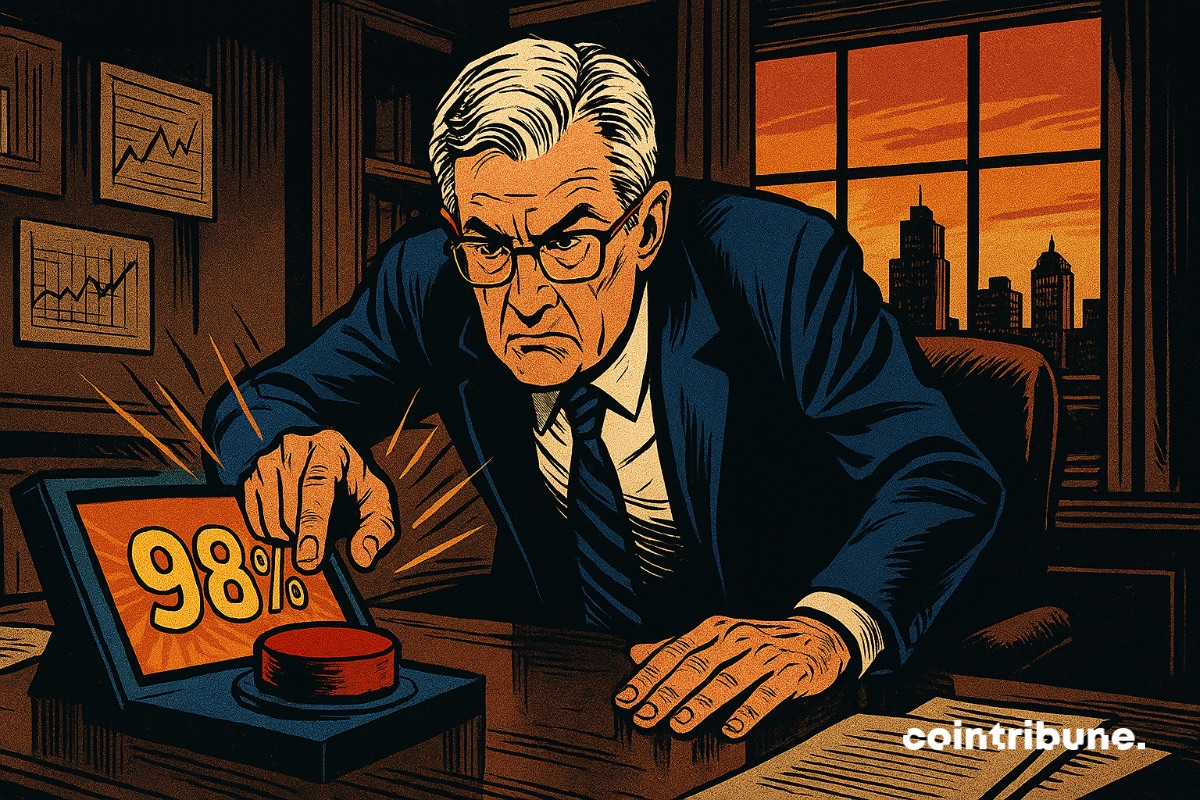
Will the Fed really keep its rates unchanged in June? Between persistent inflation and a surprising labor market, discover why this decision could disrupt the economy and the markets, including Bitcoin!
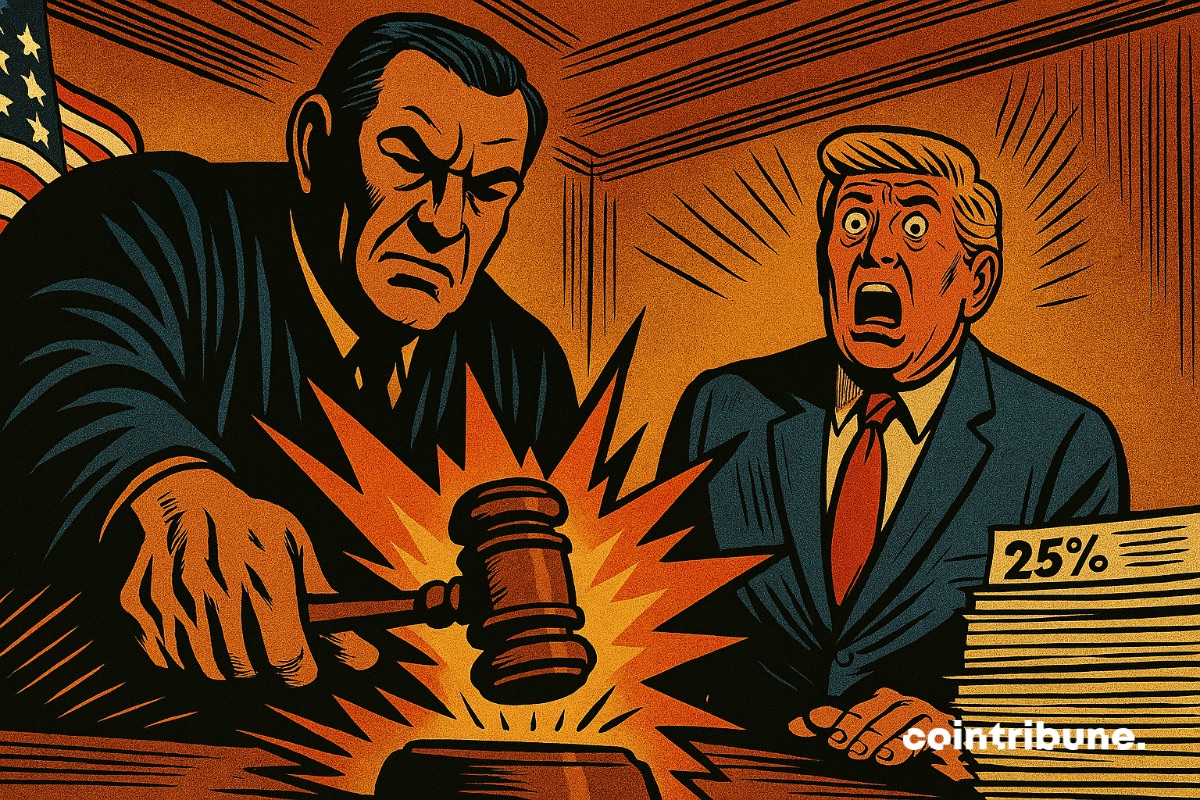
Donald Trump has just lost a key battle over his tariff rights: a U.S. court has put the brakes on him. Discover how this decision shakes China, the markets, and challenges presidential powers.
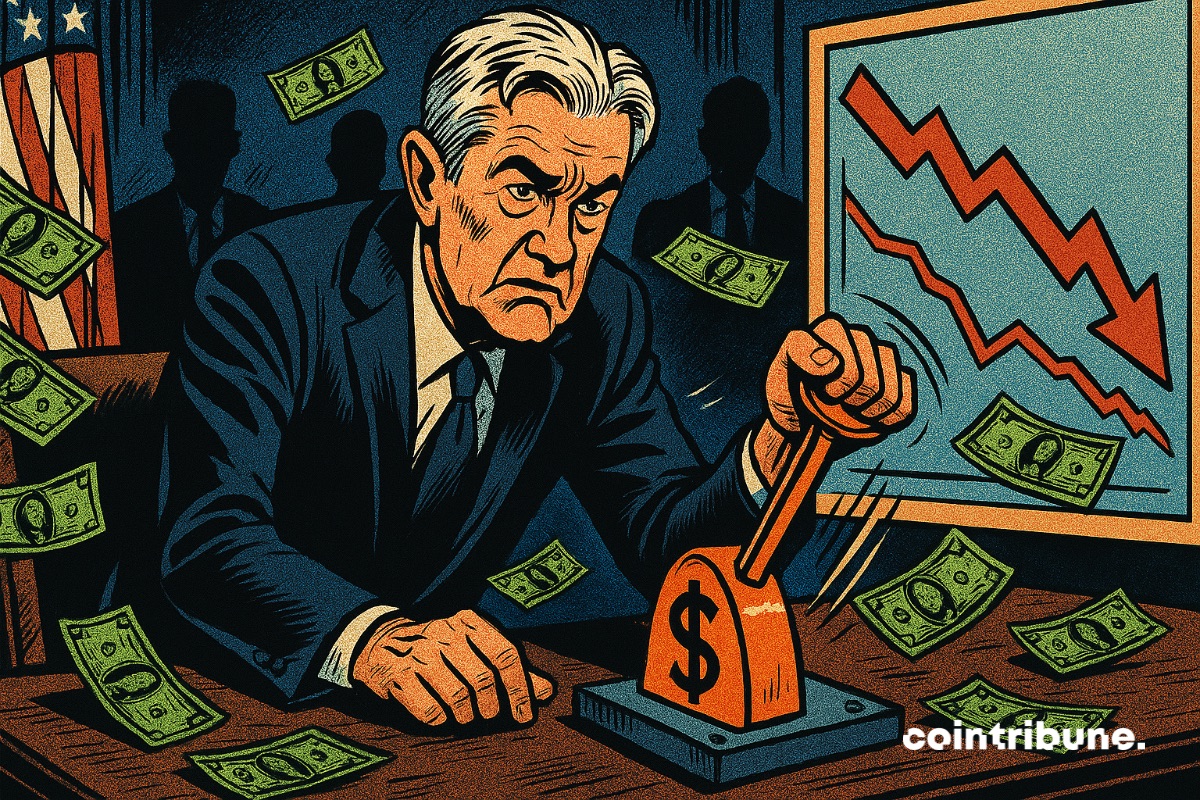
Fed meeting June 2025: inflation, unemployment, trade tensions... Discover how these crucial issues could disrupt interest rates and why some are already betting on bitcoin. Don't miss out!
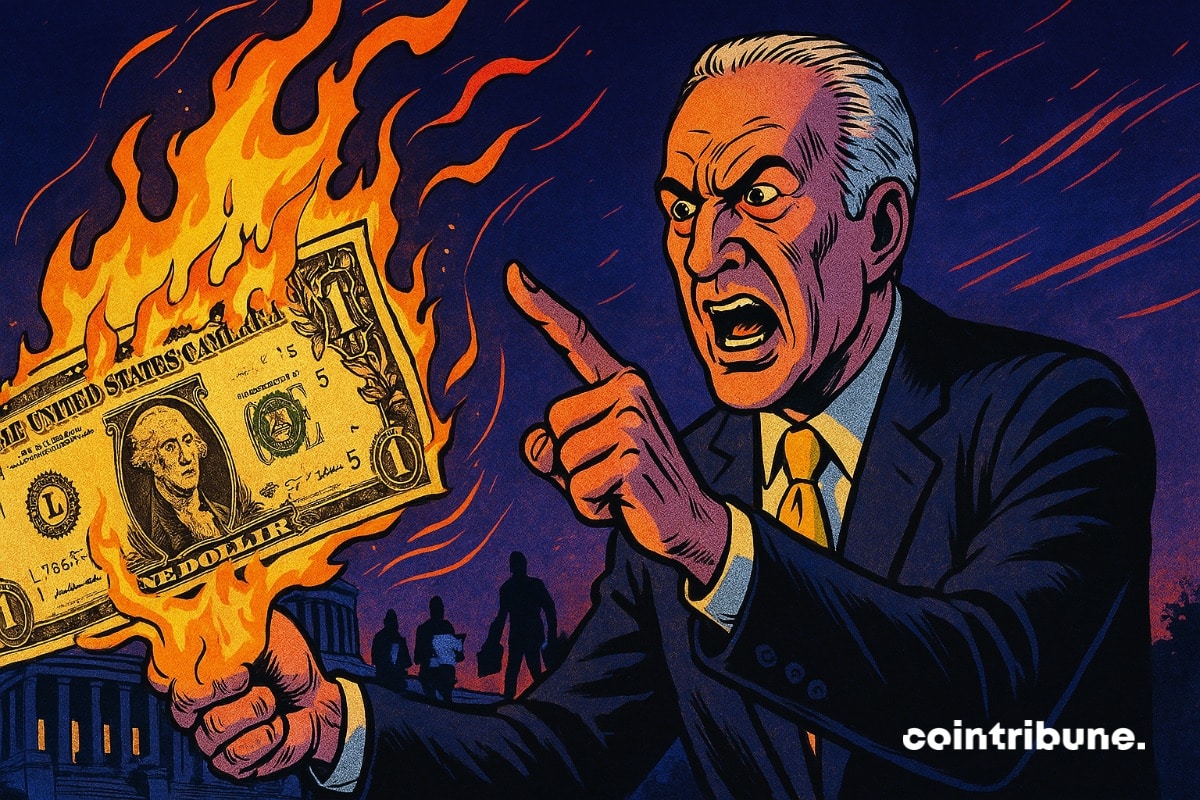
The American Congress recently approved the "Big, Beautiful Bill," Donald Trump's budget proposal, hailed as a strong resurgence of Republican economic policy. However, for Peter Schiff, this text marks a dramatic turning point. The economist sees it as a destructive mechanism that prepares for the inevitable downfall of the dollar and an unprecedented monetary shock.
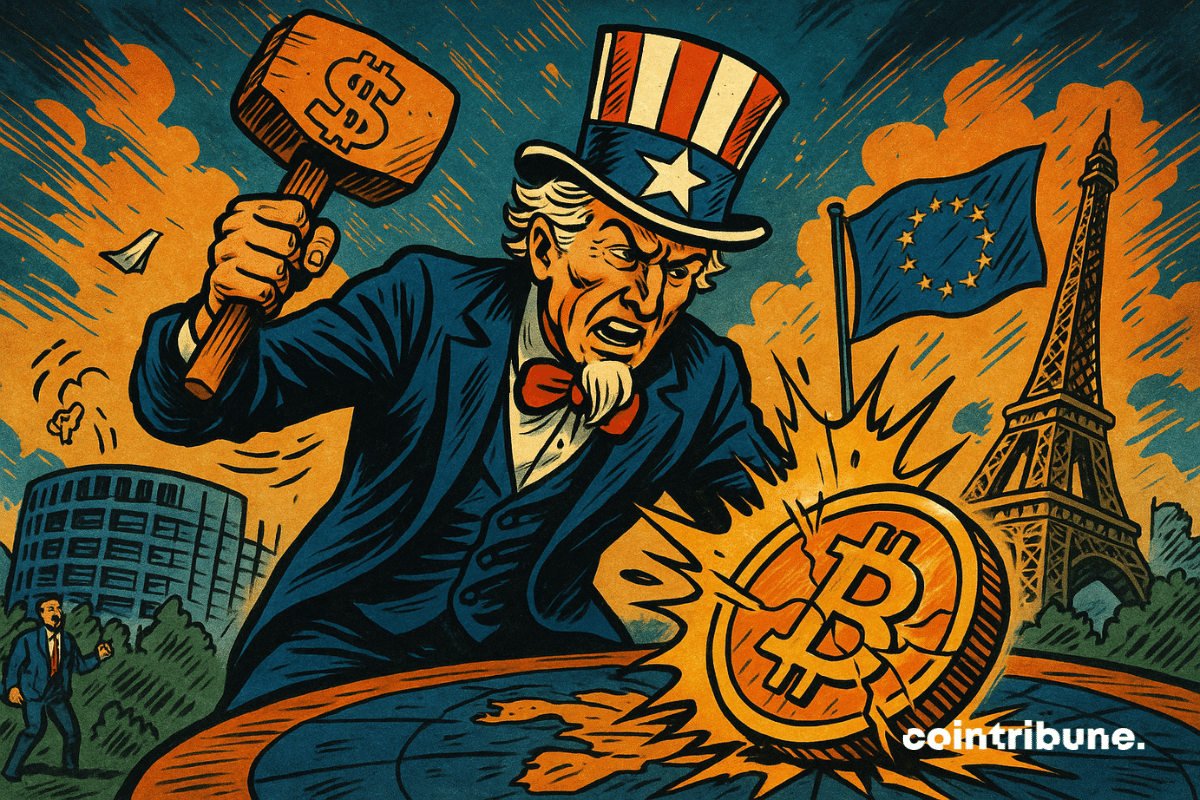
The return of Donald Trump to the global economic arena was enough to shake the markets. On Friday, a terse statement on Truth Social ignited the powder keg: 50% tariffs on European imports starting June 1. The reaction was swift. Wall Street wavered at the opening, traders hurriedly adjusted their positions, and the crypto market felt the shock: Bitcoin dropped by 4%, leading to liquidations of over 300 million dollars.
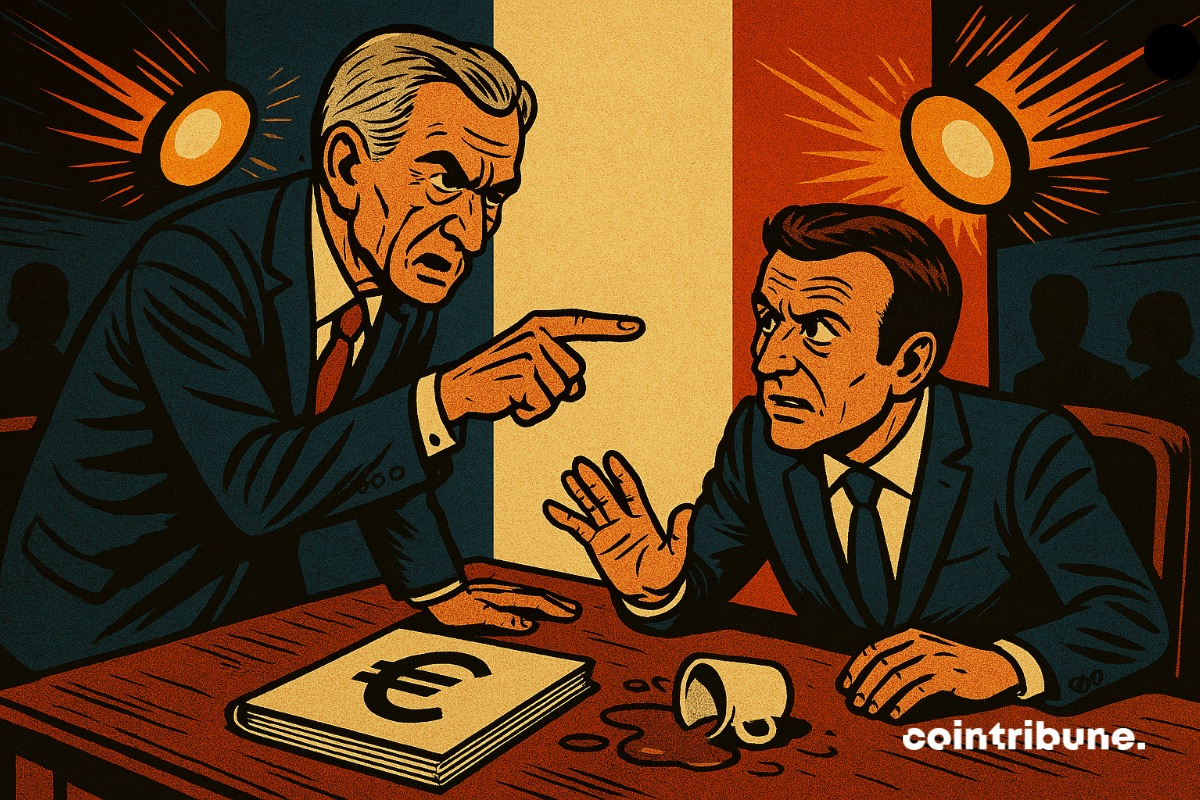
Interrogated in the Senate about the call for economic patriotism made by Emmanuel Macron, who has completely ruined France, Bernard Arnault judged that the state's interference in the operational management of businesses was "very bad" and leads to disaster.
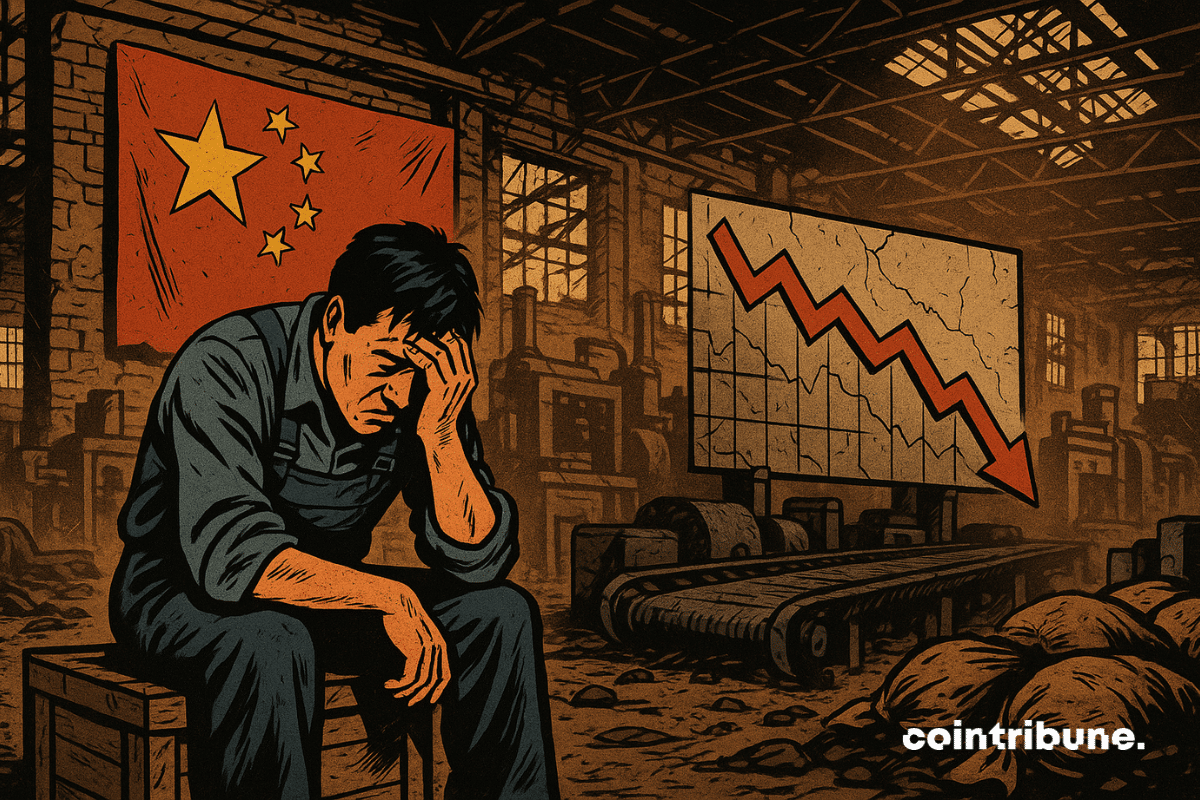
The Chinese industry is showing signs of weakness. For the first time in over a year, the country's manufacturing activity has contracted, according to the latest figures from the National Bureau of Statistics. Indeed, the new tariff offensive launched by Donald Trump, with customs duties reaching up to 145%, is beginning to have an effect. In Wall Street as in Beijing, concern is rising. This trade standoff between the two powers awakens fears of a global slowdown with systemic consequences.

Markets only need a stir to get excited. This time, it is Donald Trump who has rekindled the flame by suddenly softening his stance on two hot topics: the Federal Reserve and Chinese tariffs. "No plan to replace Jerome Powell," he said, breaking with his past vehement criticisms. He also opened the door to tariff relief on Chinese imports. Two gestures of appeasement that immediately boosted global financial markets, seeking reassuring signals.
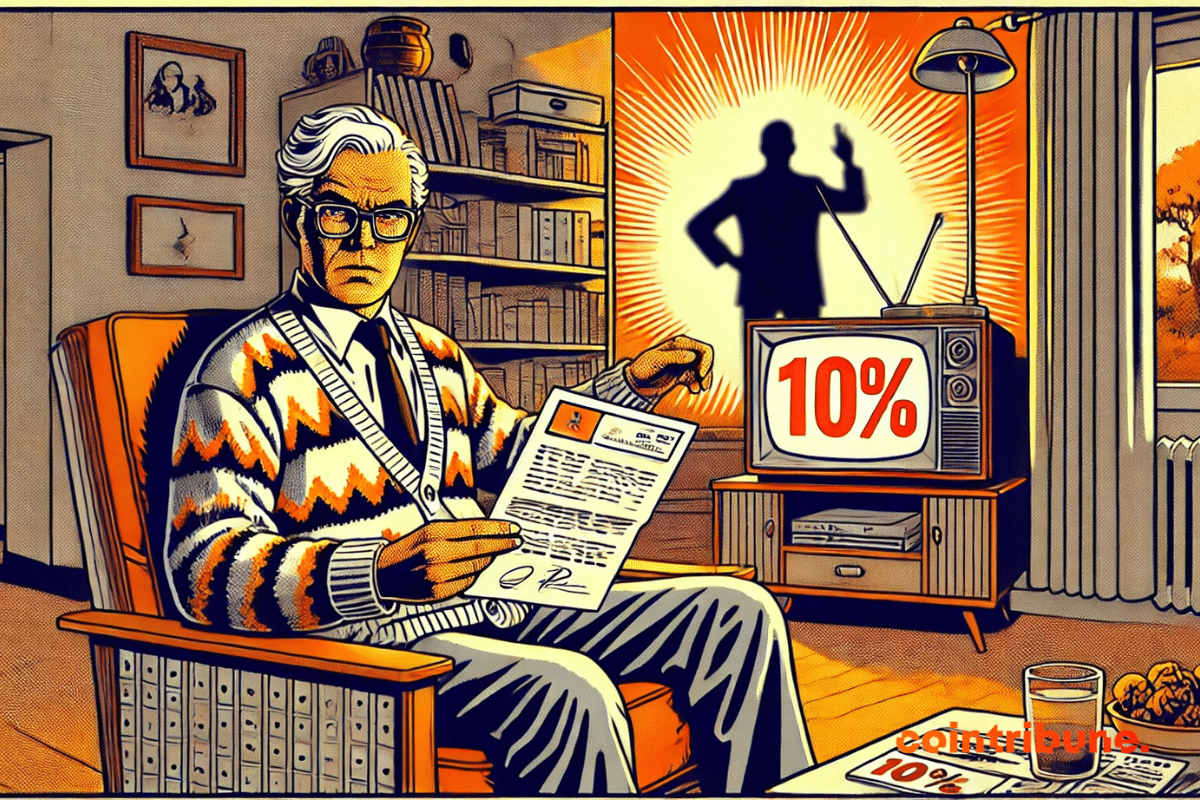
The possible removal of the 10% tax allowance on retirement pensions is stirring public debate. Announced in a government note, the measure is as concerning as it is divisive. What was once just a budgetary avenue has now become a strong social marker, crystallizing tensions around taxation and the treatment of retirees. In a pressured economic climate, this potential reform raises a central question: how far can the State go without breaking the balance between generations?

Donald Trump has renewed his attacks against Jerome Powell, the chairman of the Federal Reserve. He accuses him of not acting quickly enough to lower interest rates. Amid political tension, this criticism reignites the debate over the FED's independence and its growing influence on financial markets.

In the midst of a commercial battle, the European Union agrees to negotiate the elimination of tariffs on Chinese electric vehicles. Supported by massive subsidies, these low-cost models disrupt the balance of the European market. This turnaround marks a turning point, as Europe, torn between industrial protectionism and ecological transition, opens itself to a risky compromise. In a key sector, this rapprochement could reshuffle the cards between two rival powers, linked by competition as much as by interdependence.
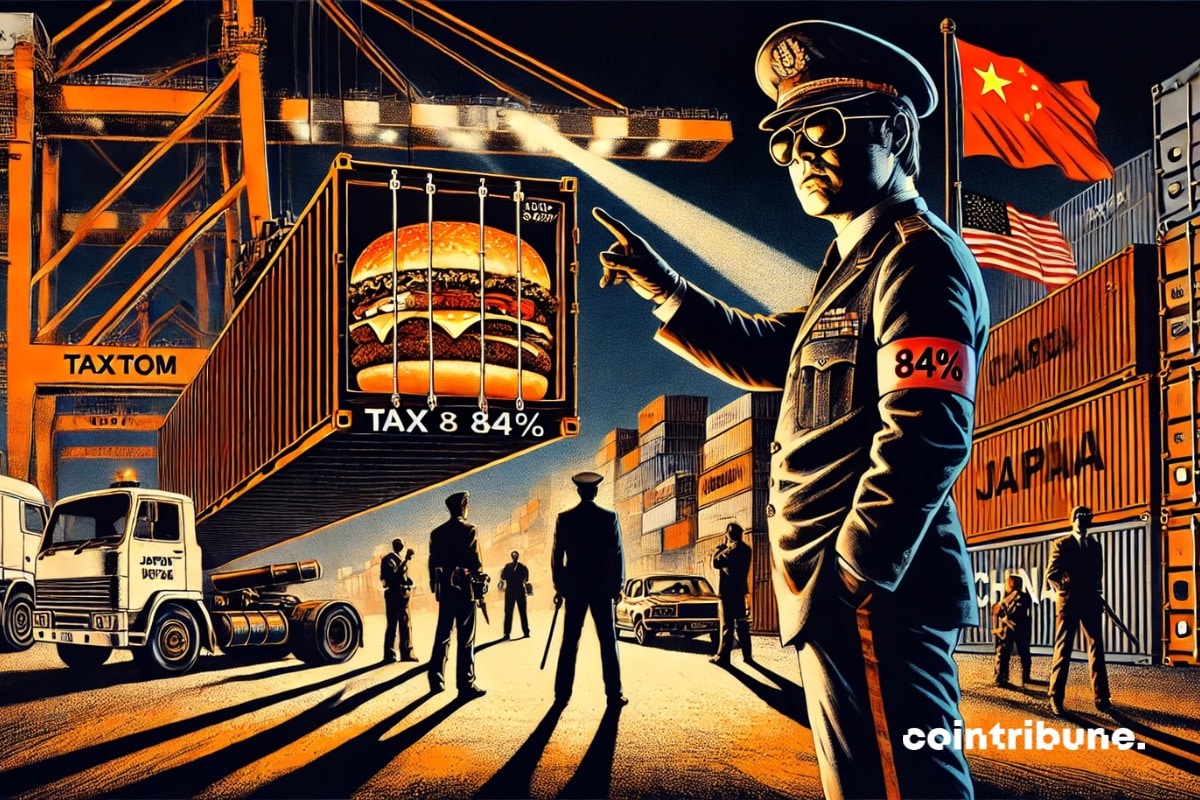
China announced on April 9 a dramatic increase in tariffs on American products, which will rise to 84% starting April 10, 2025 at 12:01 AM. This decision is a direct response to Donald Trump, who had raised tariffs on Chinese imports to 104% the day before!
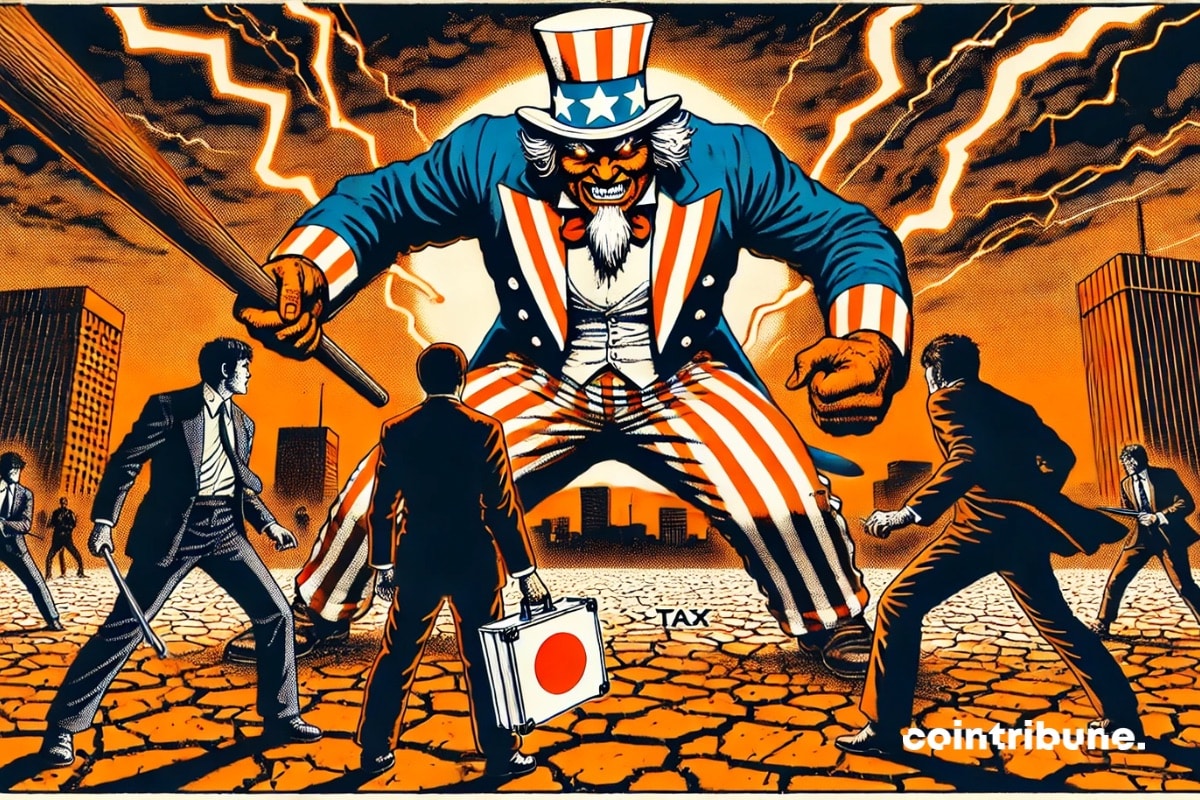
A new trade tension is shaking relations between Washington and Tokyo. Donald Trump's recent decision to impose massive tariffs on Japanese products is causing a shockwave. Japan is reacting, setting up a delegation, and trying to contain the crisis before it worsens.

Global trade is wobbling under the effect of a new escalation between Washington and Beijing. Donald Trump is reigniting the tariff offensive against China, rekindling a trade war that marked his previous term. Beijing, far from backing down, is deploying a firm response, determined to defend its strategic interests. This renewed showdown between the two superpowers resonates well beyond customs, threatens global economic balances, and stirs tensions in international markets. A confrontation whose implications could be felt well beyond American and Chinese borders.