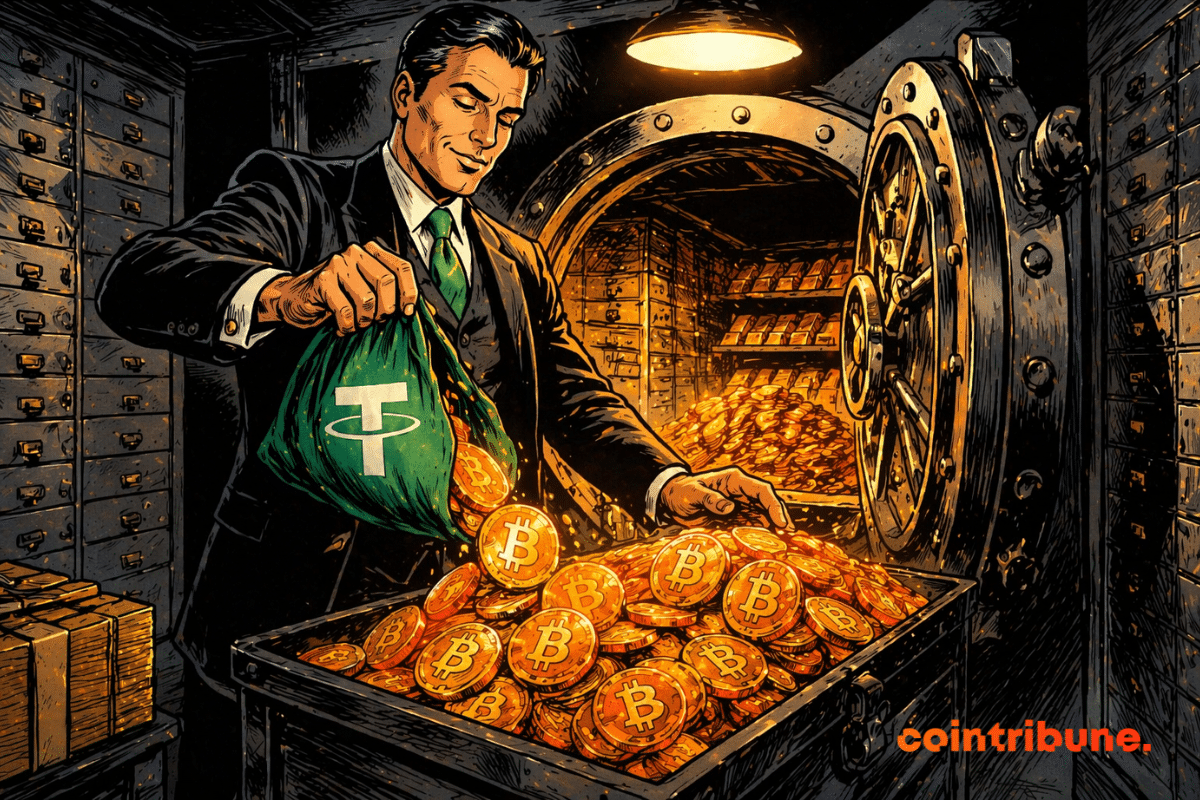
Tether has just launched "Scudo", a tiny unit indexed to its tokenized gold XAUT. The ambition is summed up in one sentence: to make gold as manageable as Bitcoin. Not by changing the nature of the metal, but by changing its mental format.
A stablecoin backed by BlackRock, a crypto ecosystem in superapp mode… what if Jupiter was preparing the discreet invasion of the dollar into our decentralized wallets?
While Beijing is making its e-yuan grow, Washington debates whether cryptos can offer rewards. What if the real danger is not what we think?
Crypto markets are entering 2026 with stronger structural support than in earlier cycles. Clearer regulation, expanding financial products, and closer links to traditional finance are reshaping how digital assets are adopted and perceived. Coinbase’s research leadership expects this momentum to persist rather than weaken.
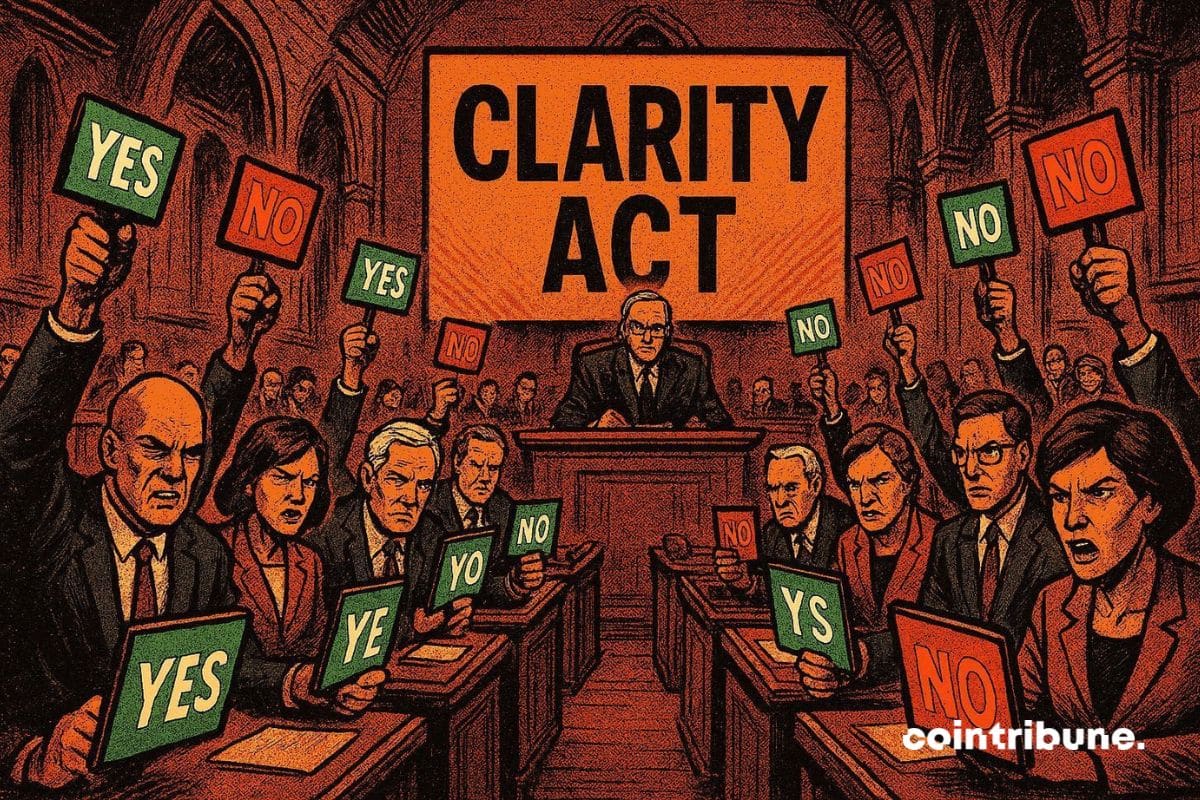
Coinbase CEO Brian Armstrong has warned US lawmakers against reopening the recently passed GENIUS Act, arguing that changes could reduce competition in the stablecoin market. He accused major banks of pushing Congress to weaken the law to protect their own interests. The comments come as debate grows over how stablecoins should be regulated in the United States.
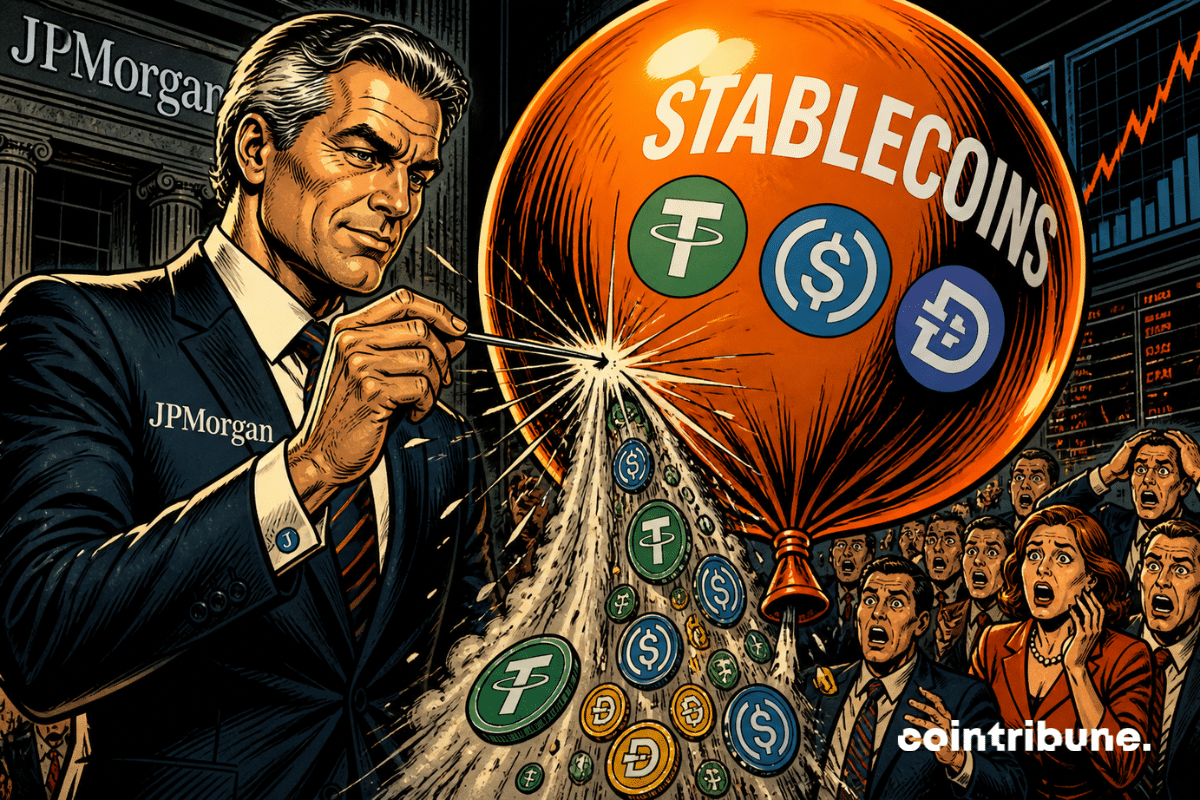
JPMorgan freezes BlindPay and Kontigo accounts over Venezuela links as stablecoins gain a key role in the country’s economy.
Trump launches a stablecoin, Binance rolls out the red carpet, and here is USD1 at the top. Political coincidences or decentralized finance with a MAGA twist? The crypto story is written in capital letters.
Hyperliquid progresses as a crypto desk that doesn't want to waste time with slogans. No big speeches "DeFi for all." Instead, two very concrete levers in pre-alpha: portfolio margin and BLP Earn vaults. Translation: more flexible risk management, and a yield and borrowing component directly connected to Hypercore. The kind of addition that makes no noise, until the day traders understand what it changes.
Venezuela now relies on USDT for most of its oil revenue, helping sustain production and transactions despite ongoing sanctions.
Memecoin trading on Solana is under new legal scrutiny after investors accused several crypto firms of operating an unfair trading system. A federal lawsuit alleges private messages show coordination between blockchain engineers and a popular memecoin platform, putting retail traders at a disadvantage. A judge has allowed the case to proceed with expanded claims.
Stablecoins continue to gain a stronger foothold across global crypto markets. This growth now appears not only in supply figures but also in transaction activity across blockchains. In Europe, momentum is building around euro-linked tokens, while USDC continues to expand across multiple networks. Recent data points to a shift toward transaction-driven expansion rather than passive issuance.
The banknote arrives by container? The archipelago will draw its crypto. Meanwhile, Stellar slips tokens into the State's pockets. The IMF is counting the hours.
The Christmas season often raises the same question each year: what gift will have lasting value? For people involved in crypto, interests extend far beyond standard tech gadgets. Crypto users form a global community focused on digital ownership, financial independence, and long-term participation in blockchain networks. And as such, selecting a crypto-related gift shows awareness of these priorities. This article presents practical, beginner-friendly crypto gift ideas suited to different interests while remaining useful long after the holidays.
Recent Bitcoin pullbacks are driven by stablecoin shorts and market dynamics rather than mass selling, with long-term holders remaining largely inactive.
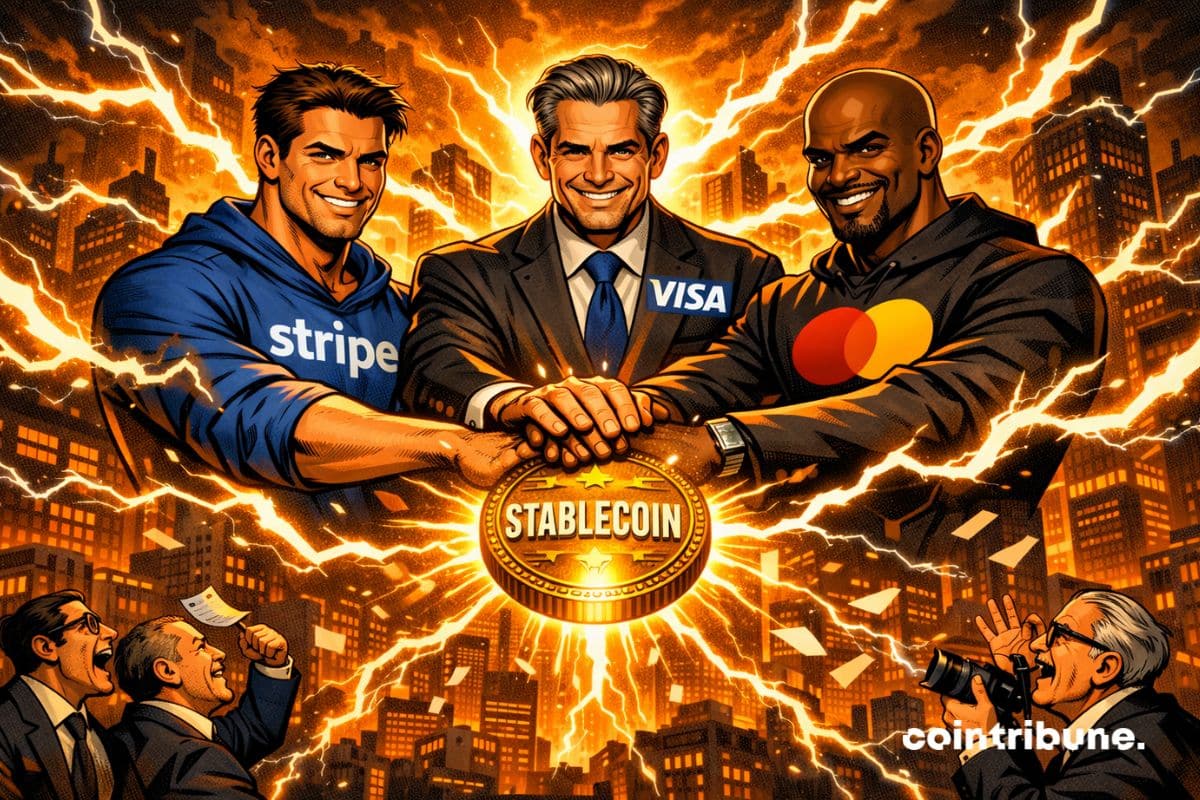
Visa has introduced a stablecoins advisory practice to help businesses and financial institutions adopt and implement stablecoin solutions amid growing market demand.
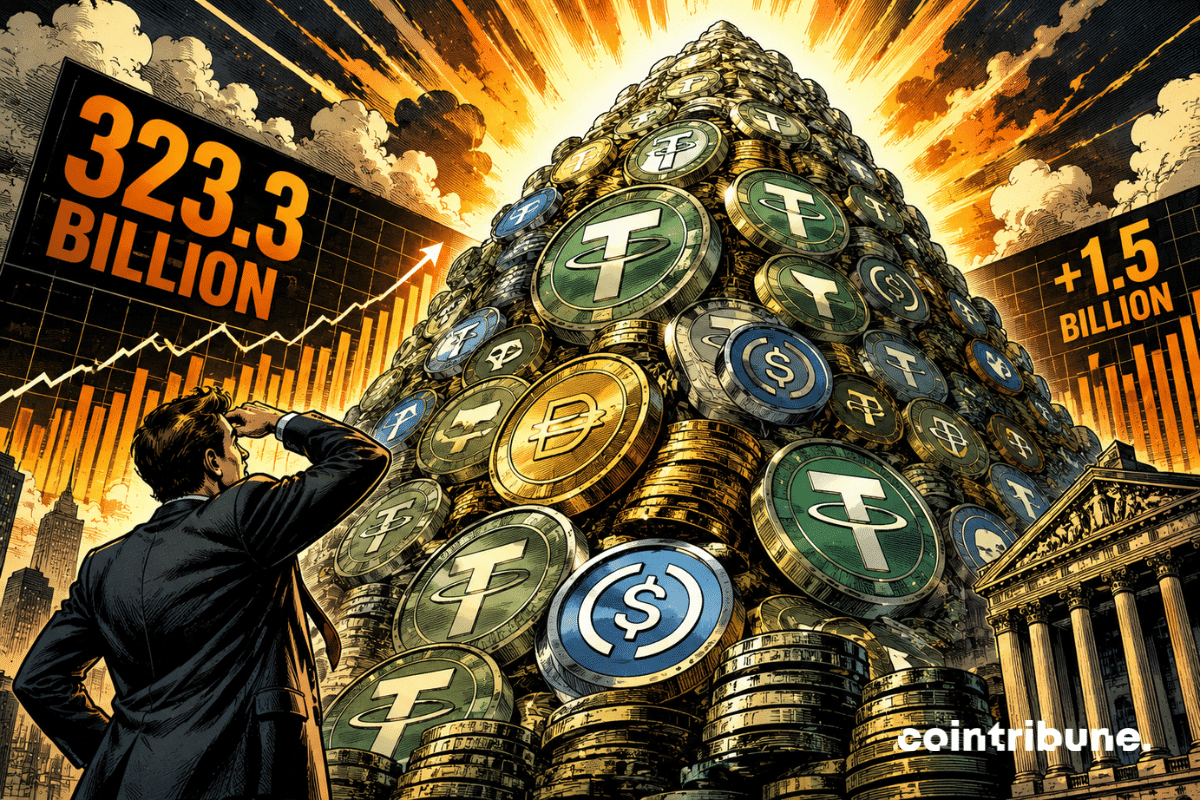
The stablecoin market hits a historic milestone. For the first time, these fiat-backed cryptos surpass $310 billion in capitalization. A performance that cements their role as an essential pillar in the crypto ecosystem.
Tether, the stablecoin giant, made a staggering $1 billion offer to acquire Juventus. But Exor, the historic shareholder, said no without hesitation. Why this rejection? What consequences for football and crypto? A battle where money isn't everything.
When the EU regulates, it sometimes tailors the rules... MiCA stalls, ESMA heats up, states hesitate: in the crypto jungle, Brussels dreams of cutting local freedoms short.
Juventus, a legend of Italian football, could soon change hands for 1.1 billion euros. Behind this crazy offer? Tether, the cryptocurrency giant. A revolution is brewing between sports passion and crypto ambition. Who will emerge victorious from this historic duel between tradition and innovation?
The world's largest crypto exchange platform strengthens its ties with the Trump family. Binance has massively integrated USD1, the stablecoin from World Liberty Financial, into its infrastructure. A rapprochement that comes just weeks after the presidential pardon granted to its founder.
YouTube has just disrupted the economy of its users: payments in PYUSD, PayPal's stablecoin, arrive for American creators. No more banking delays, welcome speed and flexibility. A crypto revolution that could well extend to all.
The UK is moving quickly to strengthen its position in digital finance as part of its 2026 growth plan. Pound-pegged stablecoins are now the central play in a regulatory push to keep the country competitive as Europe develops new rules. Clear timelines, new testing routes, and pressure from nearby markets are pushing the region toward a more structured stablecoin system.
Tempo, the new Stripe-backed layer-1 blockchain, has launched its public testnet, offering stablecoin-native features, instant settlement and new tools for developers.
Circle, the issuer of the famous USDC, takes a decisive step by developing USDCx, a stablecoin designed to offer banking privacy to companies and institutions. Developed in partnership with Aleo, this project answers a growing demand: how to benefit from blockchain without exposing transactions to the public?
The crypto market is booming: Polygon activates an update that could transform the entire ecosystem. All the details in this article!
Ethereum’s network shows record stablecoin activity, $6T in Q4 settlements, low fees, and steady prices above $3,000.
Western Union strikes hard: "stable cards" and a stablecoin to protect money transfers against soaring inflation. With Solana as an ally, the transfer giant bets on crypto to revolutionize remittances in emerging countries. A strategy that could change everything for millions of families.
Pakistan has confirmed its intention to launch its first ever stablecoin. This initiative speaks volumes about the country's ambition. Indeed, Pakistan wants to catch up digitally, secure its financial flows and establish itself in an increasingly tokenised global economy. Behind this decision lies a much broader strategy involving central bank digital currency, Bitcoin mining and the widespread deployment of AI.
"He who does not move does not feel his chains." Rosa Luxembourg’s phrase resonates strangely in the digital age. Digital currency today reveals invisible chains that many still do not perceive. Cash quietly disappears, replaced by a recorded, analyzed, and continuously interpreted world. Every transaction becomes data, and every data a lever of control. Privacy is no longer a moral luxury, but a political fault line. Institutions defend transparency as a condition of stability. Freedom advocates see privacy as a fundamental guarantee. This tension reshapes our relationship to power, trust, and individual autonomy. The central question is no longer just about technology, but about what we accept to reveal in order to exist. This text explores the existential battle of monetary privacy: protecting human dignity when everything becomes traceable.
The International Monetary Fund steps out of its usual reserve and publishes a detailed guide on stablecoins. As the market exceeds 300 billion dollars, the institution believes that regulation alone will not be enough. What strategy does it really advocate?