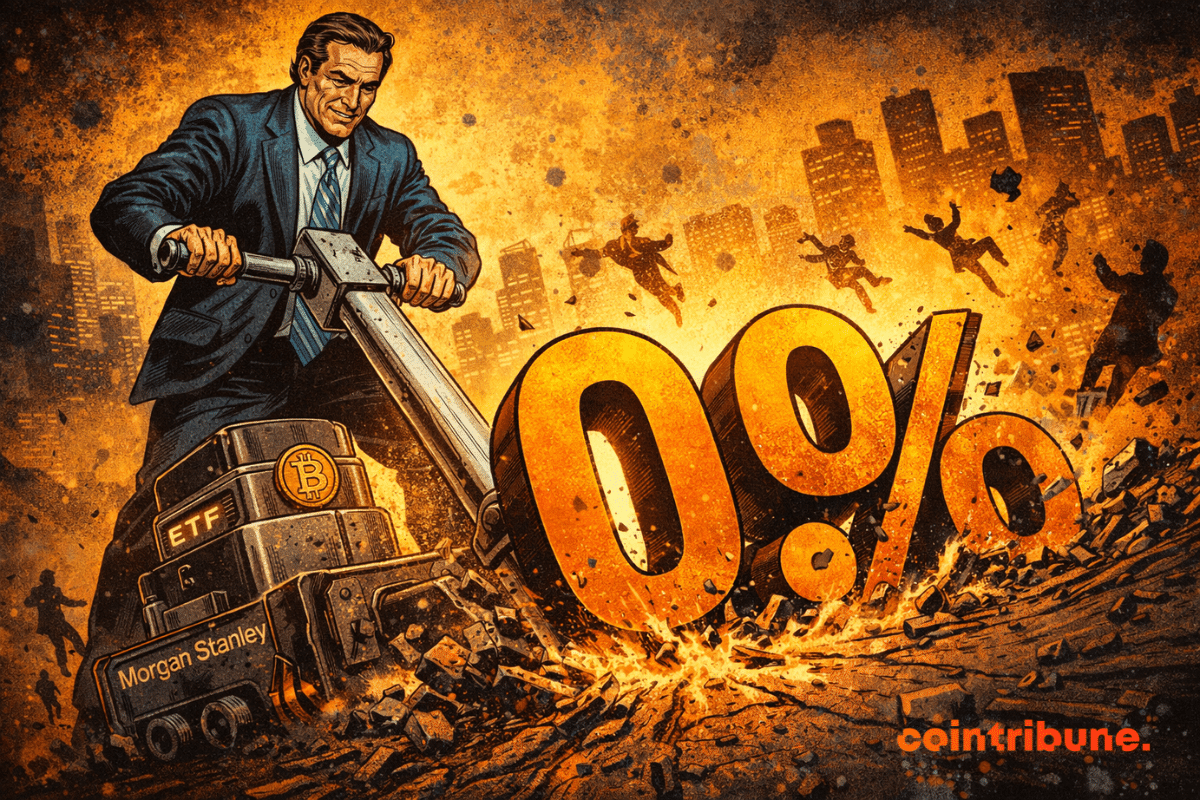
At Morgan Stanley, fees are shaved down to the bare minimum, turning bitcoin into a trendy loss leader, while Wall Street sharpens its teeth to snatch distracted savers.

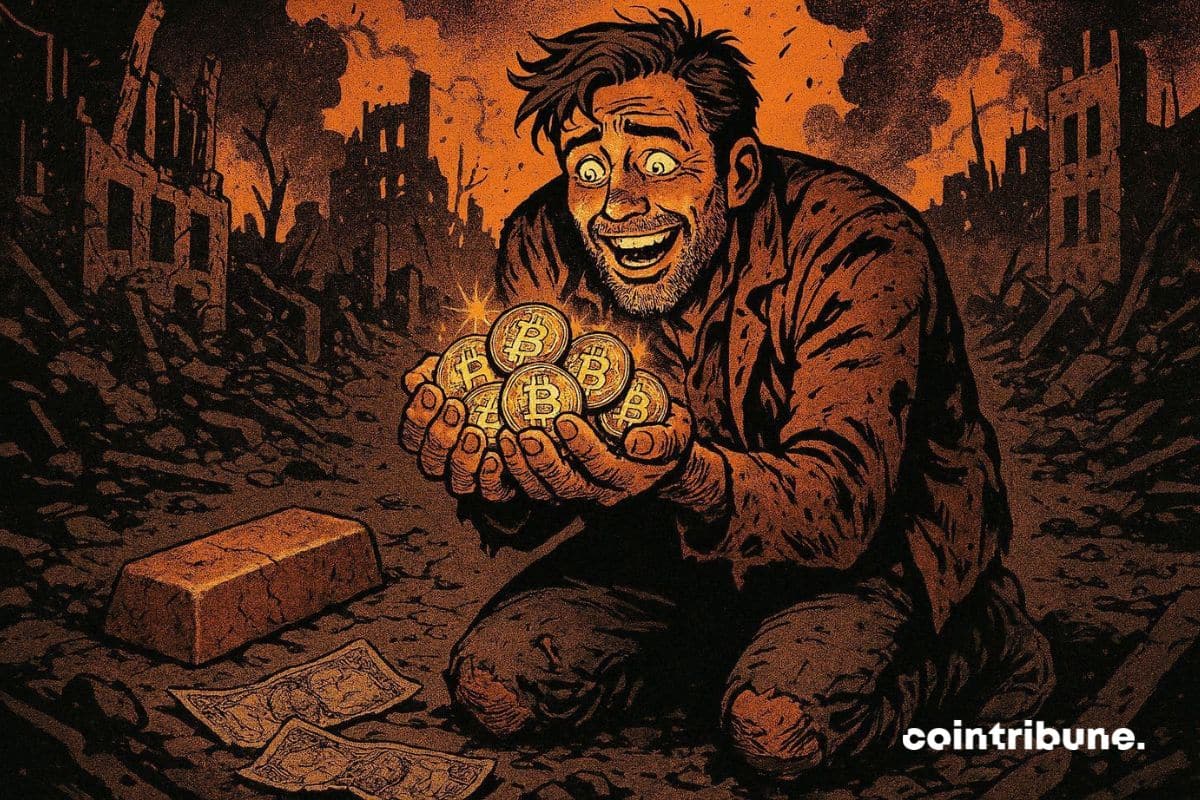
Bitcoin falls back below 66,000 dollars, driven by a shock from energy markets. The rise in oil revives inflationary tensions and reshuffles the cards of monetary expectations. This movement recalls a now well-established reality: cryptos evolve in close correlation with macroeconomic dynamics. In this context, investors adjust their exposure to a more uncertain environment.
According to JPMorgan, bitcoin establishes itself as the ultimate safe haven asset, ahead of gold and silver during crises. Rising ETF flows, record liquidity, and massive adoption in Iran. Why are investors abandoning precious metals for BTC?
MARA Holdings just sent a strong message to the market. The American mining giant sold a massive part of its bitcoin treasury to buy back its debt at a discount. A clever financial maneuver that also says a lot about the real pressures miners are facing today.
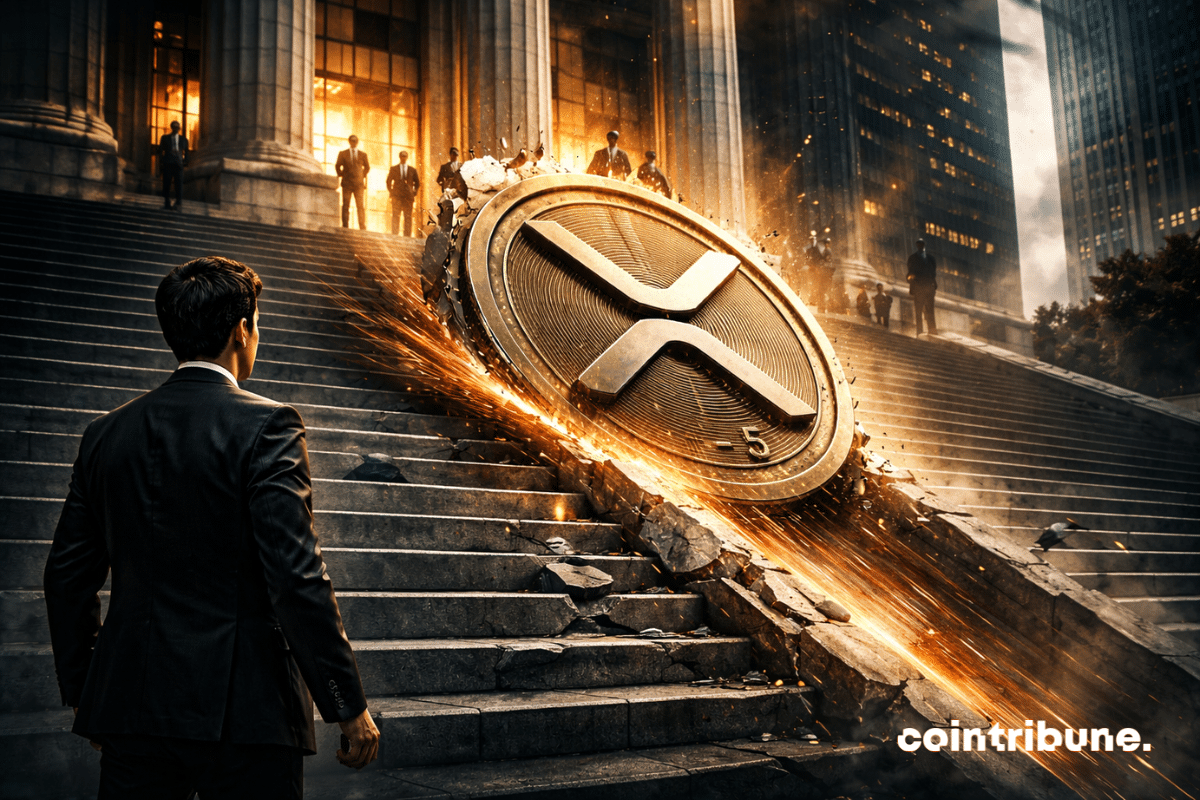
After a launch that drew more than $1.2 billion in a few months, ETFs linked to XRP abruptly change dynamics. For the first time, flows reverse and turn negative, ending the initial euphoria. This rapid turnaround raises questions about the strength of demand and marks a key step in the asset's trajectory, now facing a much more demanding test than its launch.
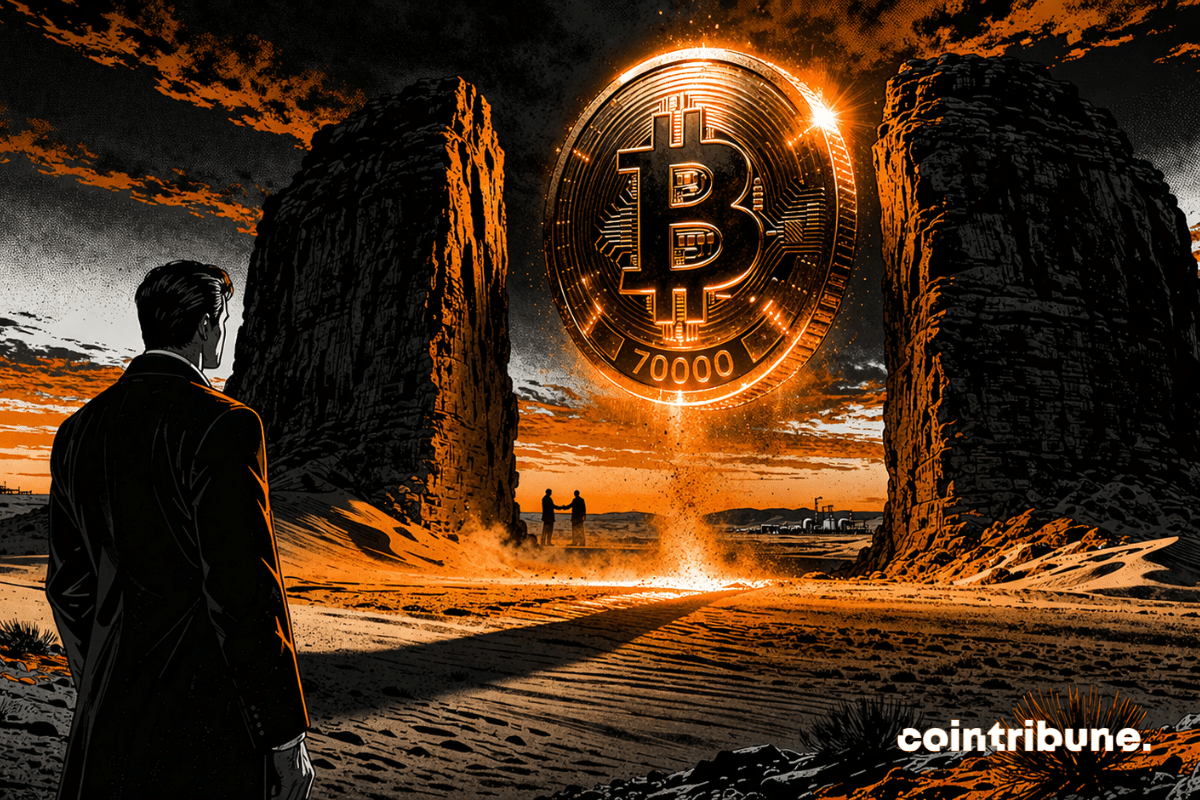
Bitcoin has just lost a key threshold, reigniting tensions in the markets. Falling below $70,000, the flagship asset now operates in an environment dominated by macroeconomic uncertainties, between persistent inflation and geopolitical strains. Does this dip mark a real turning point or simply an adjustment phase? Behind this drop, analysts offer a more nuanced reading, depicting a market less fragile than it appears.
Will the tokenization of stocks fracture the markets? TD Securities sends a strong signal that could disrupt investment.
While Trump plays the war pause and oil heats up, bitcoin gets dizzy, while markets count shells, rates and cold sweats now.
Goldman Sachs' entry into XRP-related ETFs has not supported the token's price. Despite significant investment, the asset continues to decline. This gap between institutional flows and market dynamics reveals persistent weakness. In this context, technical signals and ETF data fuel doubts about the short-term evolution of XRP.
Shibarium, the blockchain dedicated to Shiba Inu, has just recorded a spectacular 300% increase in its daily transactions. Yet, behind these impressive figures lies a disappointing truth: the majority of these crypto transactions are empty.
Coinbase puts pressure back on Washington. The platform opposes once again the compromise on stablecoins, blocking the progress of a key text in the US Senate. On the surface, the debate concerns a technical detail: yield. In reality, it is a strategic battle between banks, exchanges, and political power, the outcome of which will reshape the digital dollar economy.
Bitcoin just plunged below $70,000, wiping out billions in a few hours. Between massive liquidations, widespread fear, and geopolitical tensions, this drop worries investors. With $14 billion in Bitcoin options expiring tomorrow, is the worst yet to come?
Stuck under a key resistance, the bitcoin market enters a compression phase where every variation gains importance and a breakout becomes inevitable. Analysts identify a setup conducive to a sudden move, with a critical threshold now under watch. Between converging technical signals and improving on-chain indicators, BTC could approach a decisive tipping point, with an ambitious target of 80,000 dollars.
Crypto advances this time on concrete ground. Monument Bank, a regulated British bank, plans to tokenize up to 250 million pounds sterling of retail deposits on Midnight, a blockchain developed within the Cardano ecosystem. This partnership places Cardano in a rarely reached area by crypto projects: that of regulated banking use, with real deposits, real regulation, and a clear commercial application.
Despite a 22% drop on the stock market after tensions related to the CLARITY Act, Circle remains supported by the growth of the stablecoin market and the increasing institutional adoption of USDC in payments.
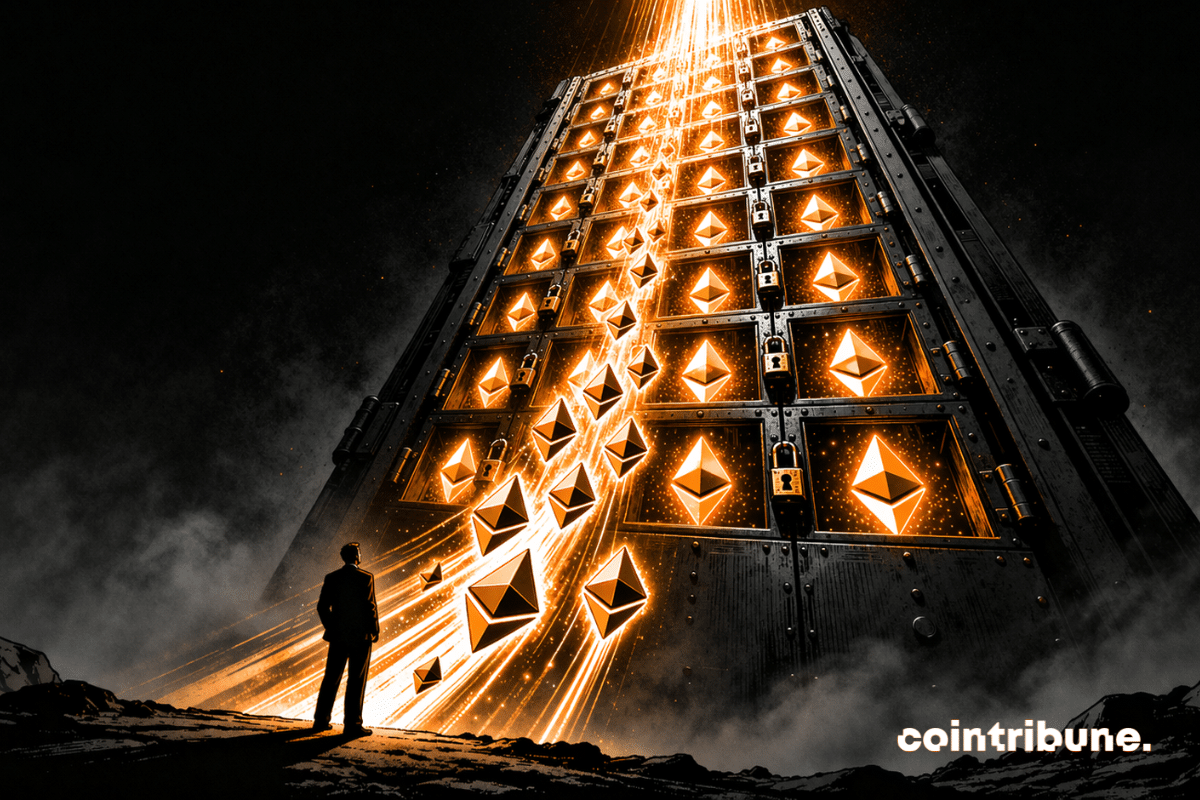
Ethereum is going through a structuring phase. On-chain data show a rapid decline in the available supply, linked to the rise of staking and significant withdrawals from exchanges. This development is gradually changing the market liquidity conditions. It raises a crucial question: can this supply tightening influence the short-term price trajectory?
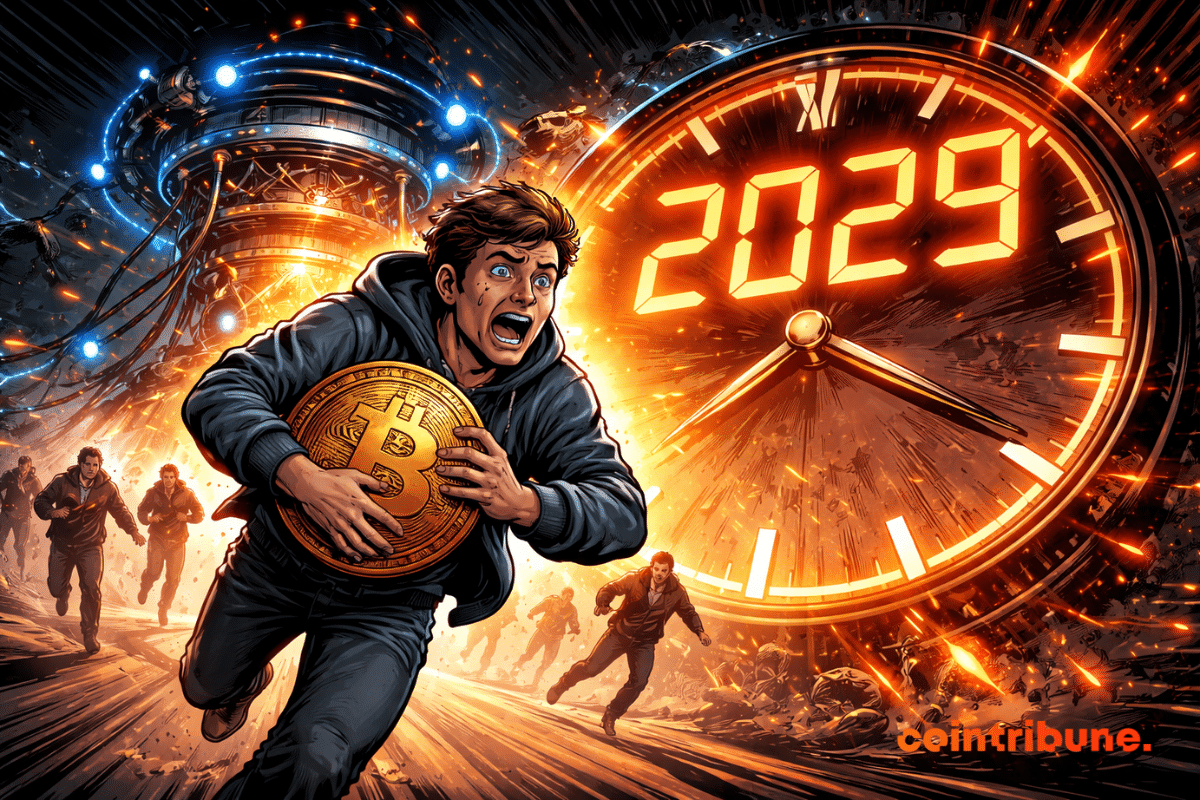
Quantum threat to Bitcoin: Google sounds the alarm with a 2029 deadline. What changes for crypto investors.
As tokenized real-world assets move toward a multi-trillion-dollar market, REAL Finance is building a Layer 1 blockchain designed specifically for regulated financial products, institutional validators, and investor protection.
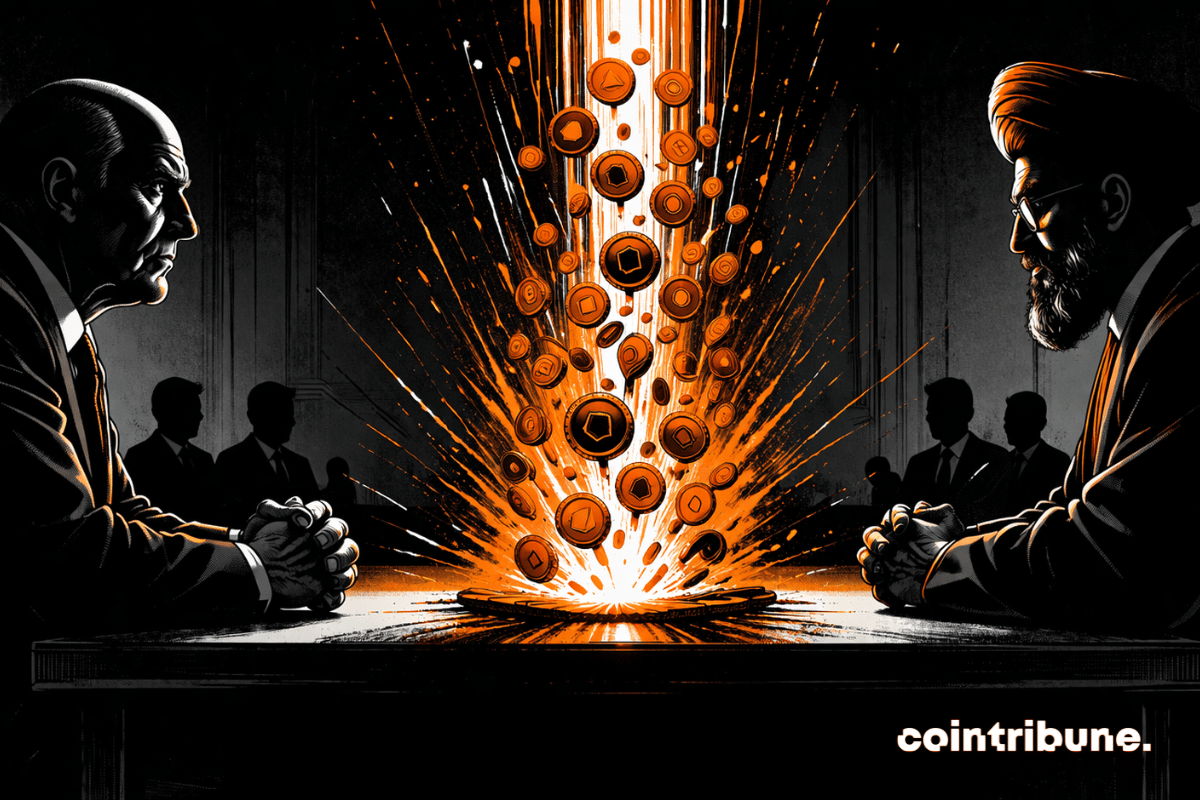
Predictive markets are establishing themselves as a new indicator of international tensions. On Polymarket, millions of dollars are engaged to anticipate the outcome of the conflict between the United States and Iran. This activity occurs while negotiation signals are emerging between Washington and Tehran. The evolution of probabilities, coupled with the reactions of financial markets, offers an insight into investors' expectations in the face of a conflict whose outcome remains uncertain.
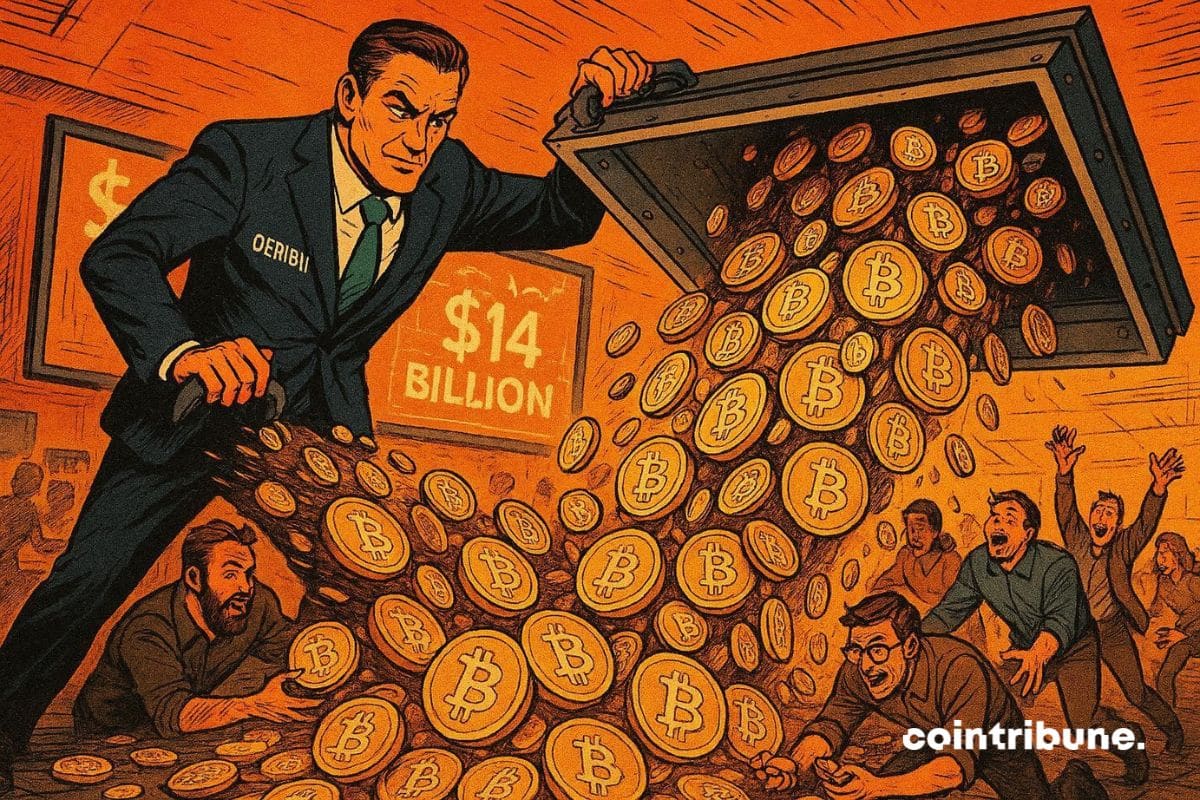
This Friday, March 27, 2026, $14 billion worth of Bitcoin options expire, and all eyes are on a key level: $75,000. Traders anticipate major moves, while market makers might manipulate BTC price. An event not to be missed.
Six months ago, Sora was making headlines in all tech media. Number one on the App Store from day one, one million downloads in five days, and a one billion dollar partnership with Disney. The most anticipated video product in AI history. Today, OpenAI shuts everything down without any official explanation.
The crypto market changes course driven by finance giants. BlackRock, the world's largest asset manager, sends a clear signal: the era of altcoins driven by speculation is fading. Instead, a new engine is emerging. Artificial intelligence is now established as the strategic lever capable of structuring the next bullish cycle. Behind this shift, a deeper transformation is taking shape: that of a crypto finally seeking its legitimacy through use rather than media hype.
Aave's DAO massively validates the deployment of V4 on Ethereum. Between regained consensus, modular architecture, and recent internal tensions, the protocol enters a new phase of development.
Bitcoin briefly crossed 71,000 dollars before falling back around 70,000, caught in a stream of conflicting information between Washington and Tehran. In a few hours, the hope for easing gave way to doubt, revealing a market now closely dependent on geopolitical tensions. This sequence illustrates a turning point: BTC no longer responds only to its fundamentals, but to international balances that redefine its environment.
Crisis at Lido: the Ethereum staking giant sees its revenues drop by 23% and its users flee. All the details in this article!
While crypto is booming, the ECB tightens the screws, refuses overly free stablecoins, and quietly prepares its own financial playground.
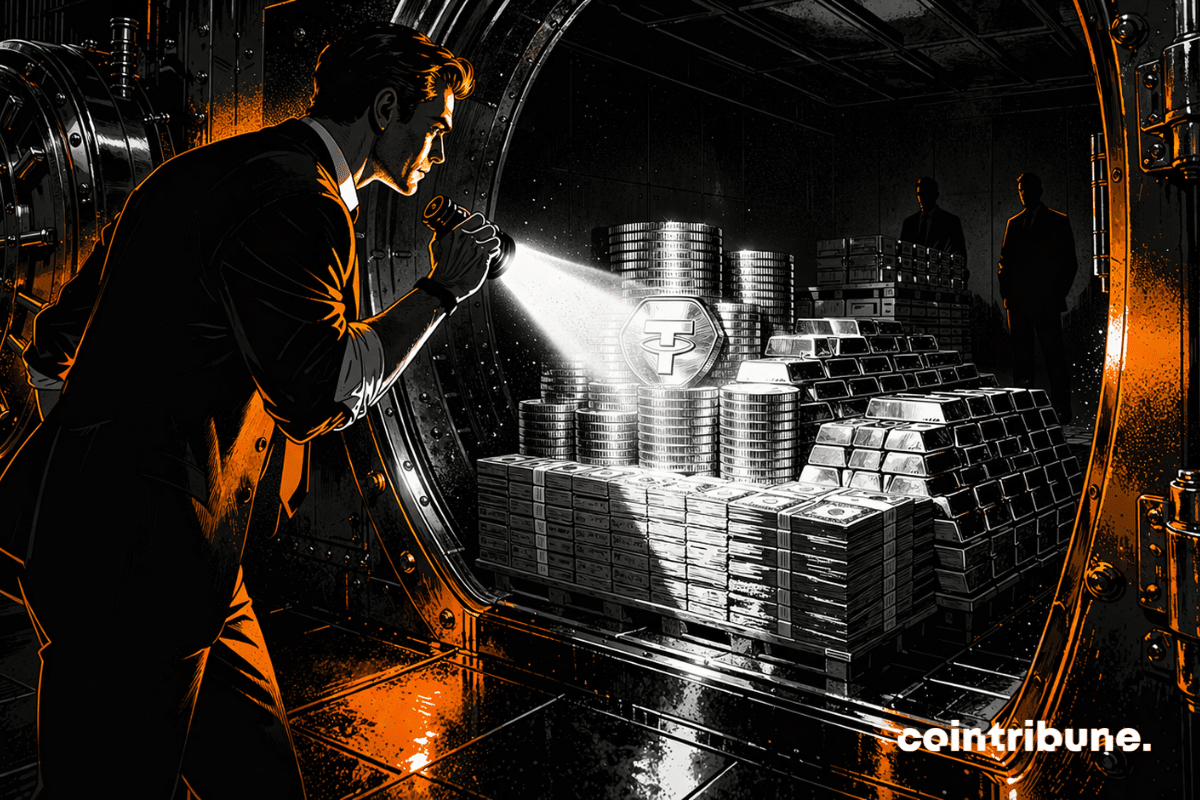
Tether is playing big. Long criticized for its opacity, the issuer of the USDT stablecoin finally announces a full audit of its reserves by a Big Four firm, a highly anticipated first by the market. Such progress could reshuffle the cards of trust around the world's largest stablecoin. However, the company refuses to reveal the identity of the firm in charge of this mission, casting doubt at the very moment it claims to want to increase its transparency.
Charles Hoskinson revives attention around Cardano with a message that reignites discussions about the launch of the Midnight mainnet. Between blockchain privacy, strategic partnerships, and the evolution of the NIGHT token, the project remains at the center of crypto market expectations.
The Solana Foundation has just reached a decisive milestone. It is launching a platform dedicated to financial institutions, with three heavyweights from the sector on board: Mastercard, Western Union and Worldpay. Blockchain, long seen as a field reserved for insiders, is now entering the corridors of major banks and payment companies.
Bitcoin rises above $71,000 again, but the market does not confirm. Indeed, volumes fall to unprecedented levels since 2023, while participation remains limited. This increase, far from reflecting an influx of buyers, seems driven by external factors. This discrepancy between price and activity raises questions about the strength of the ongoing movement.