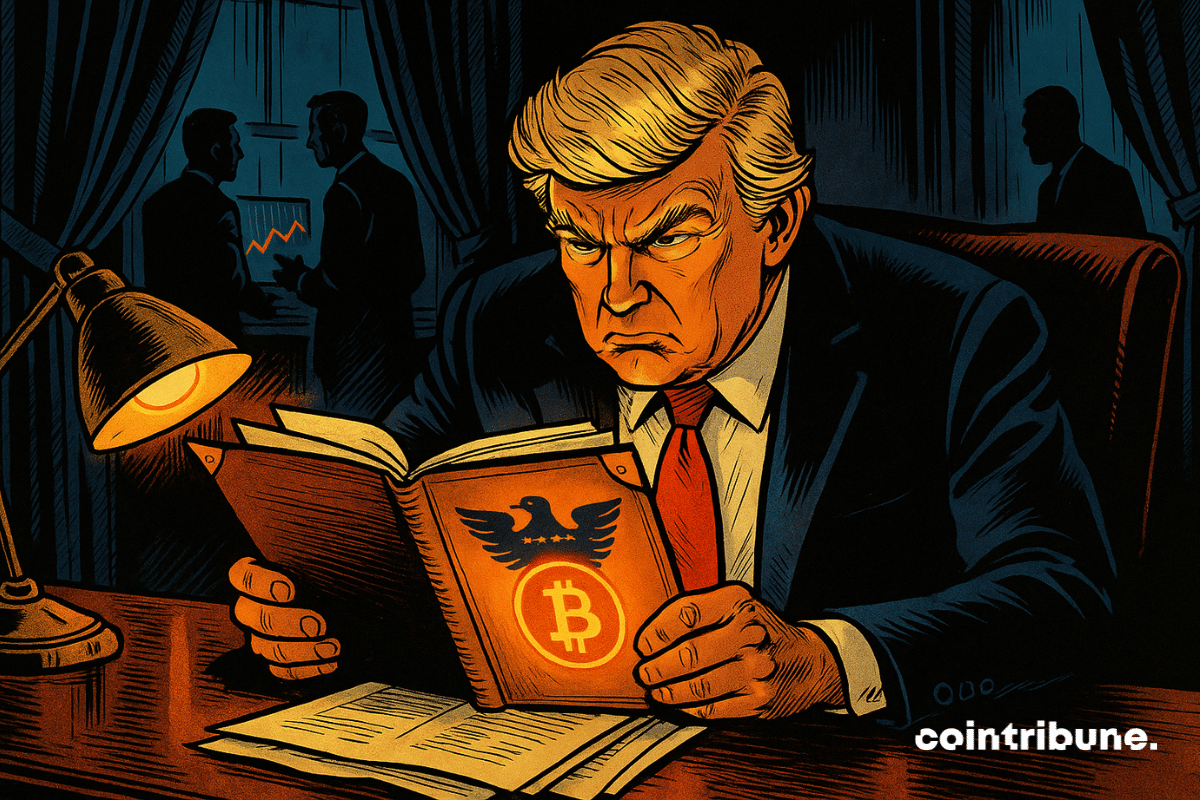
Trump accelerates in crypto: raising $3 billion for bitcoin. Amid scandals and strategy, the Trump saga in blockchain continues to shake Washington.
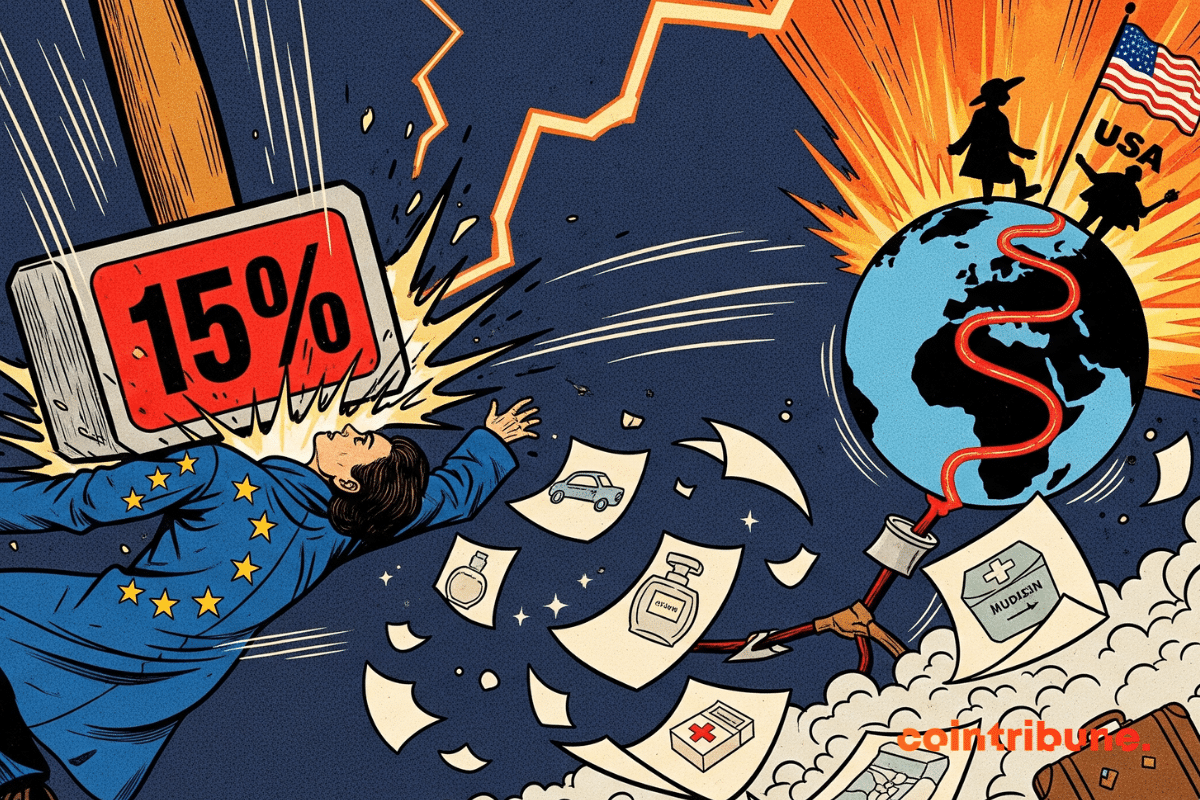
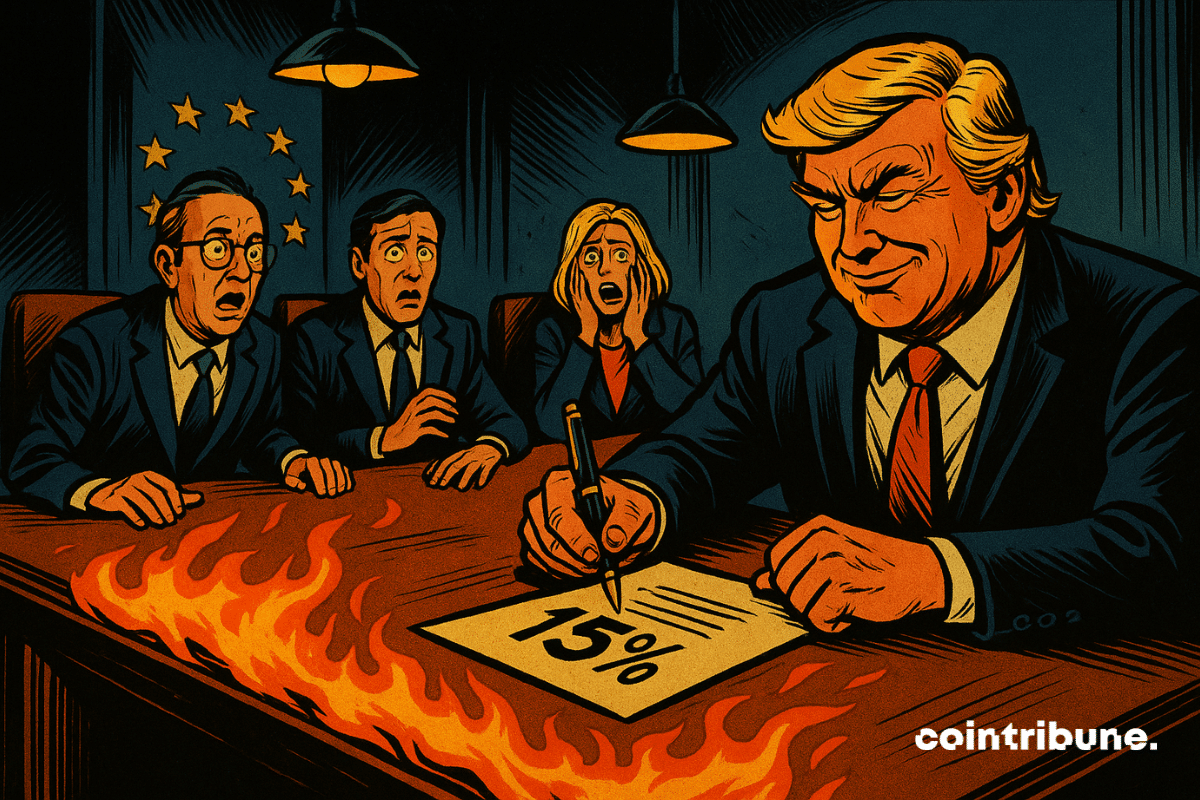
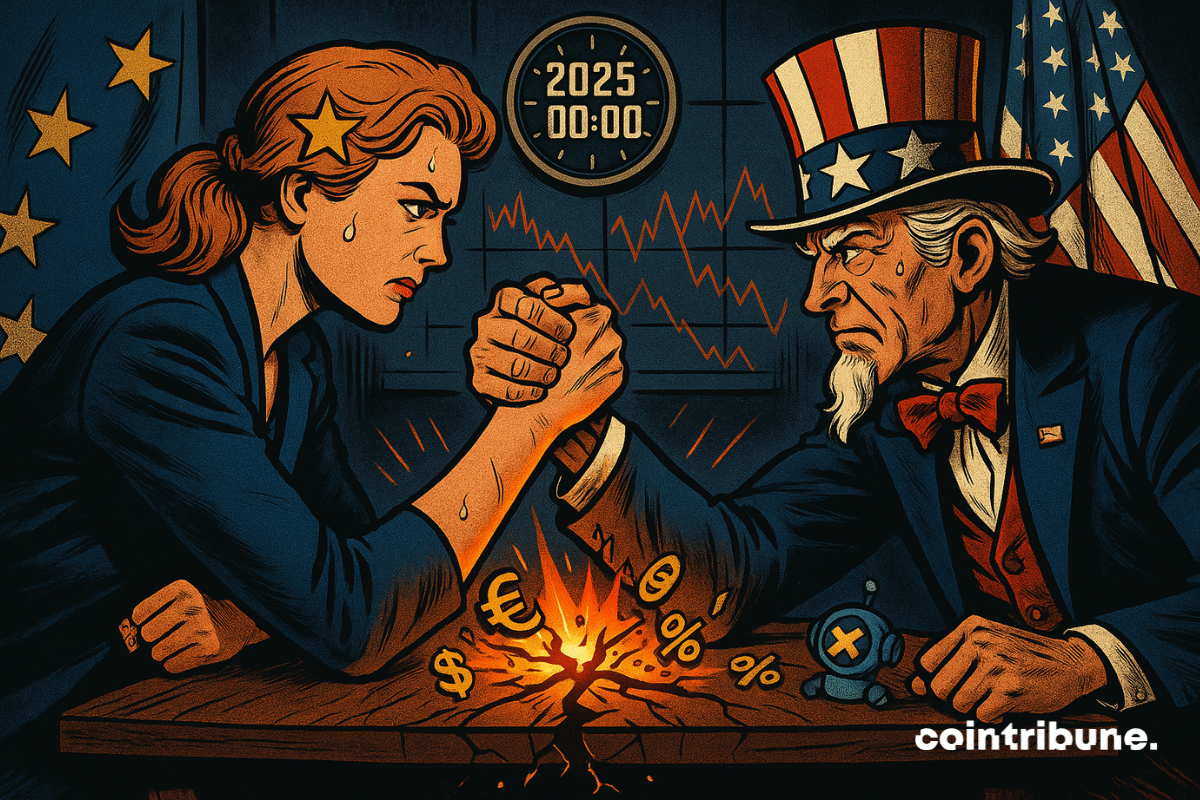
Trump keeps the suspense going, Brussels breathes, the stock market dances. But behind the curtain, the threats still loom. Who will emerge victorious from this customs waltz?
The mix of politics, extravagance, and cryptocurrencies promised an explosive cocktail. It mainly resulted in culinary discomfort and hollow speech. During the highly selective dinner organized by Donald Trump to honor the biggest holders of his eponymous memecoin, one guest did not hold back: "ridiculous,” "junk," "bullshit." The event, meant to embody the seriousness of a committed crypto turn, turned into unintentional satire. And it was the hors d'oeuvres, like the promises, that went down poorly.
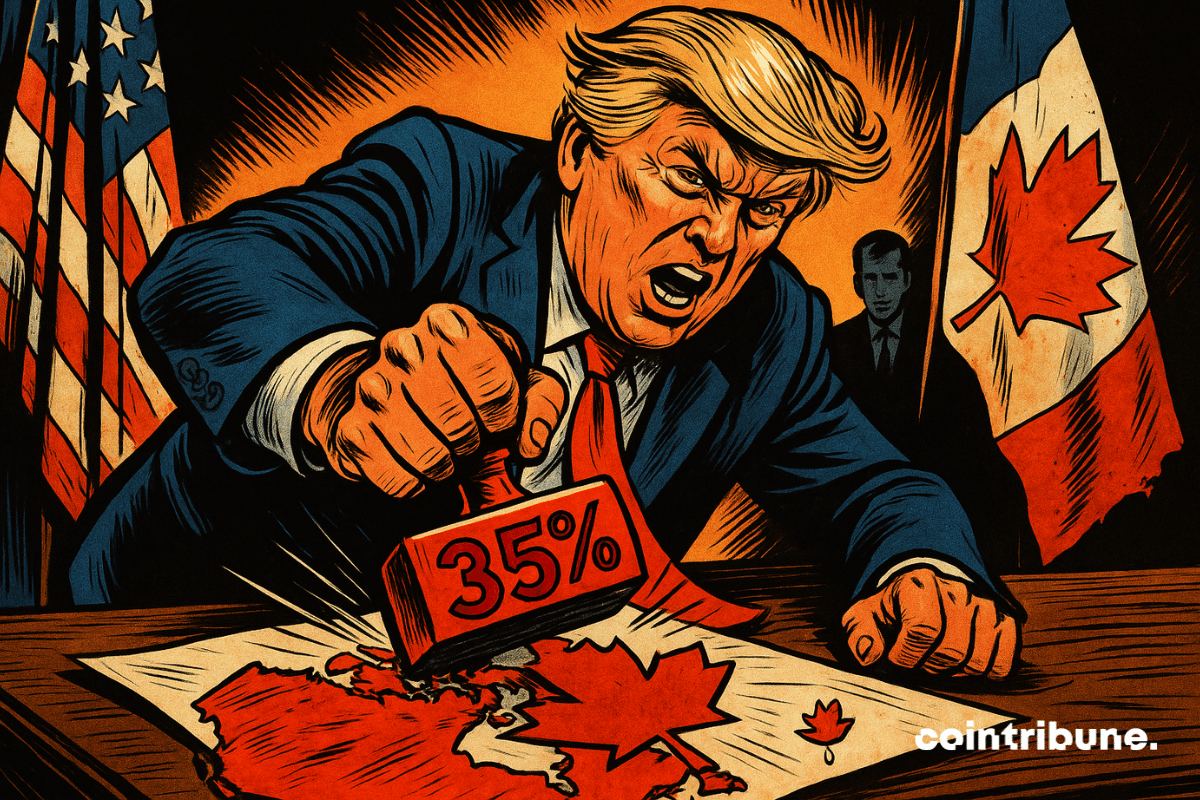
The BRICS Trade Ministers approved this week the "Declaration on WTO Reform and Strengthening the Multilateral Trading System." This is a document in which the group reinforces its commitment to strengthening the multilateral trading system. Additionally, the proposal includes reform of the World Trade Organization (WTO). This declaration also addresses issues such as data governance, sustainability, and strategies through 2030. Meanwhile, the President of the United States, Donald Trump, has once again threatened the European Union (EU) with a 50% tariff starting June 1.
A phone call, a truce? Trump puts away the customs missiles. The European economy is breathing, but for how long? Ursula whispers, Donald retreats. Suspense is high until July.
In a market where volatility is constant, James Wynn stood out with an extraordinary maneuver: a long position of $1.25 billion on bitcoin with a 40x leverage via Hyperliquid. A controversial figure in speculative trading, Wynn seemed to be riding a bullish wave... until an announcement from Donald Trump about a massive tax against the EU. Within a few hours, the geopolitical shock reversed the trend, melting away $29 million in potential gains, a bold bet caught up by the reality of the markets.
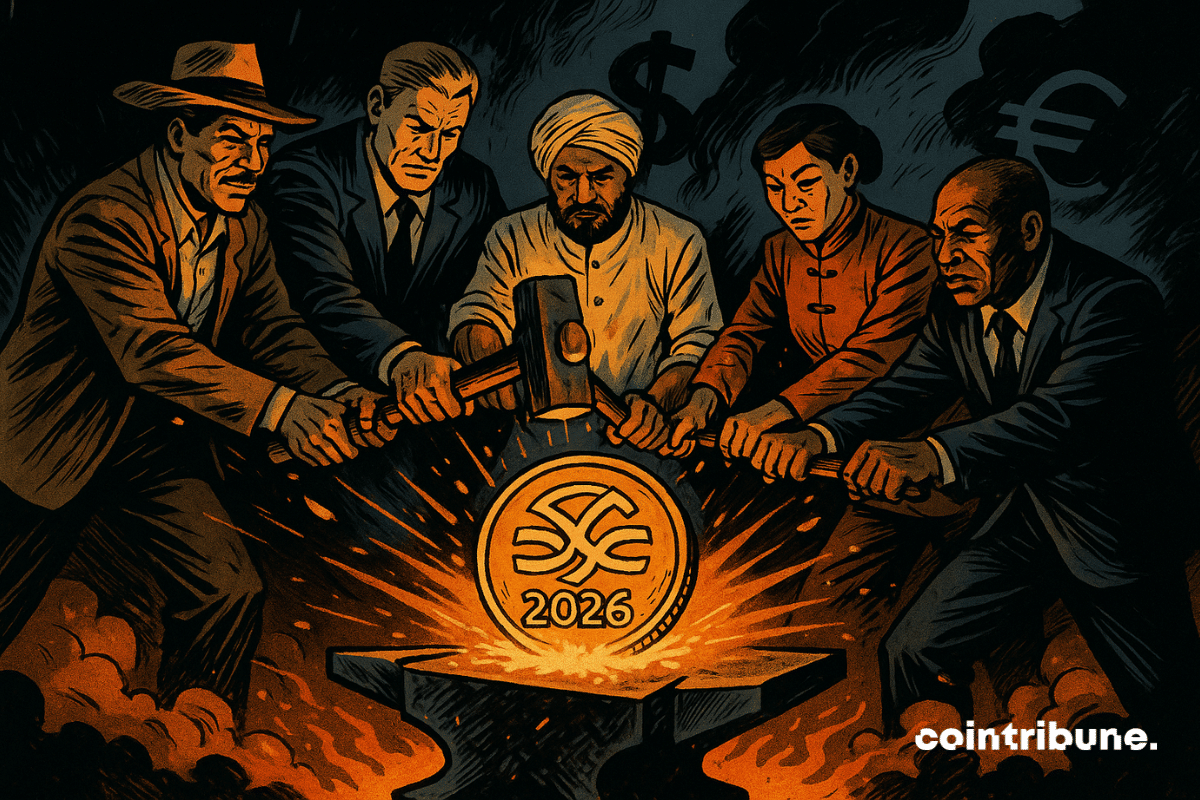
As geopolitical rivalries flare up, dedollarization reemerges as a lever of monetary sovereignty. For a long time, the BRICS have been at the forefront of this ambition, seemingly seeking to challenge the economic order dominated by Washington. However, a strategic repositioning by Brazil, an influential member of the bloc, disrupts this trajectory. By dismissing the idea of a common currency, the country reshuffles the cards of an already fragile project, revealing the limits of monetary coordination in the face of the reality of economic power dynamics.
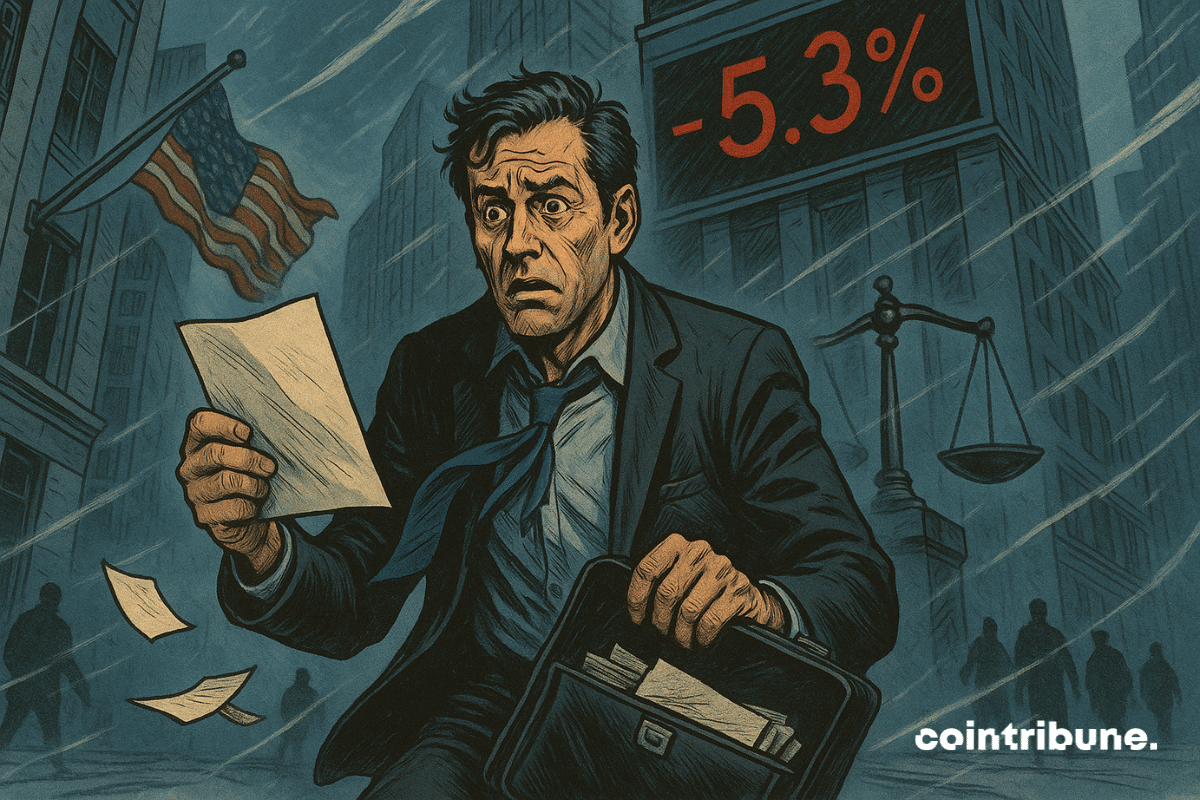
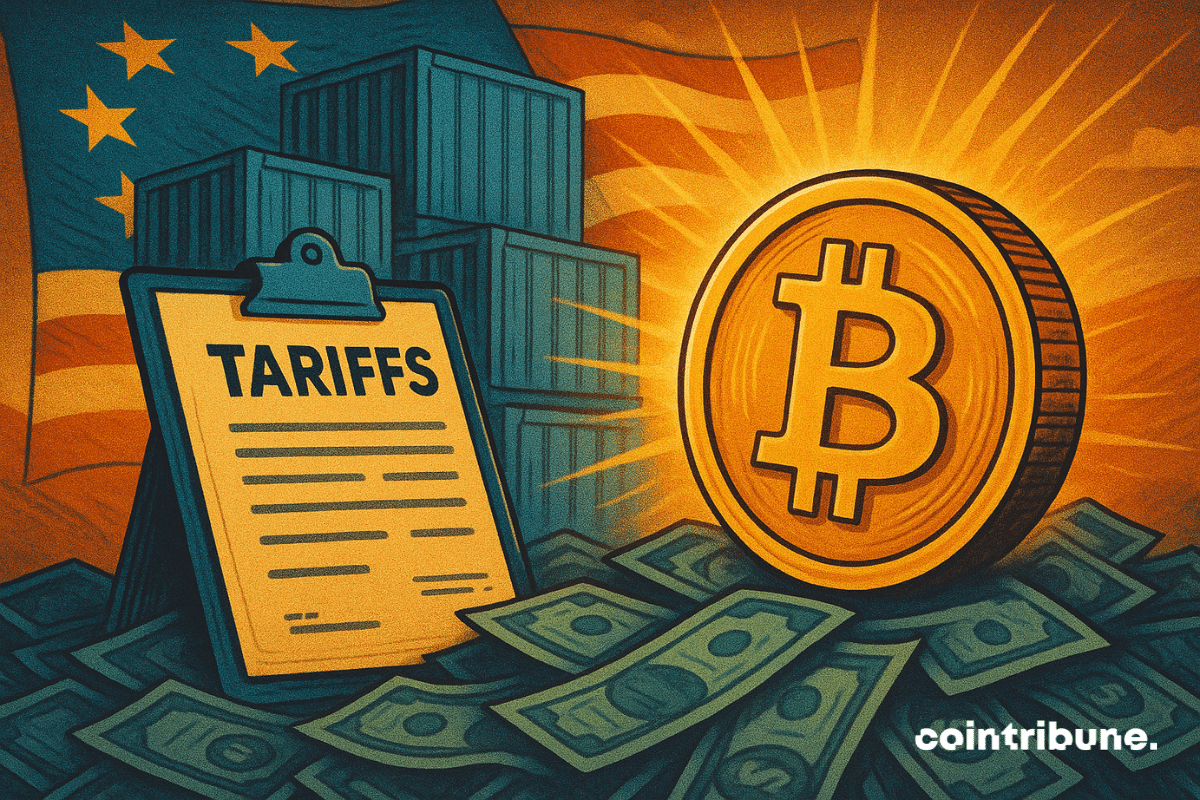
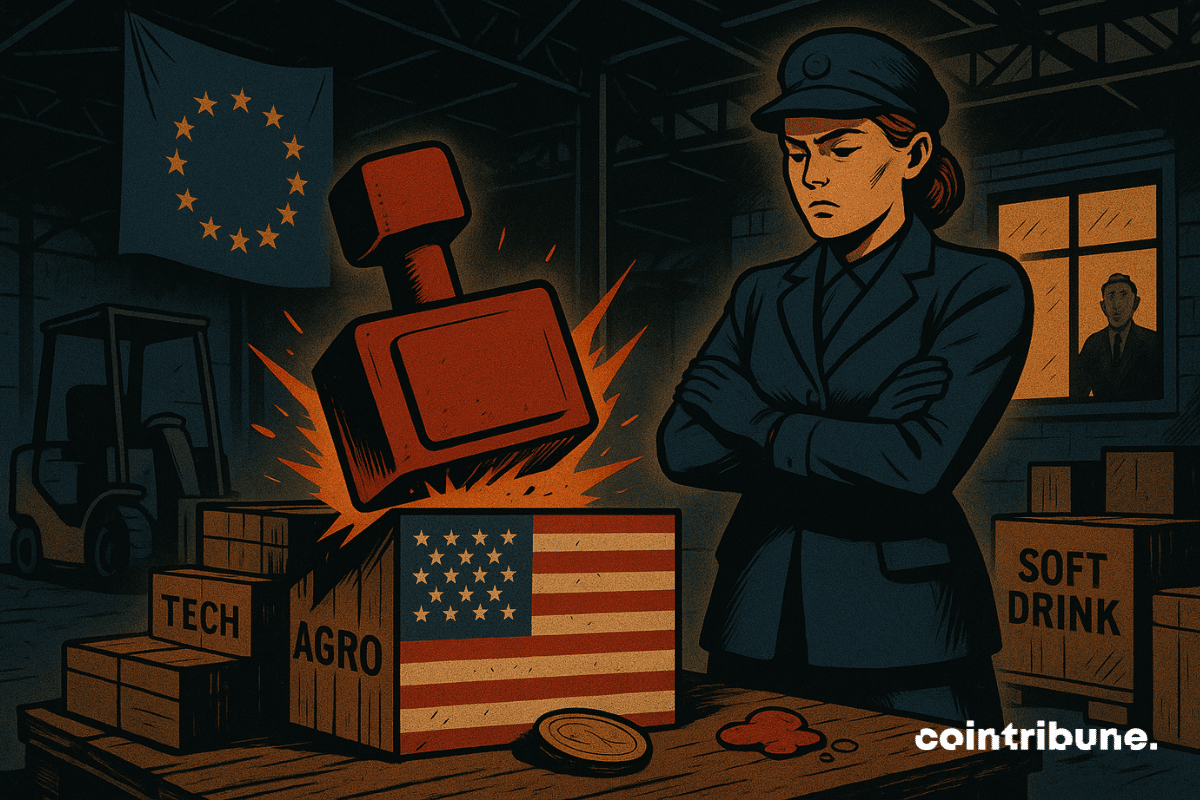
The return of Donald Trump to the global economic arena was enough to shake the markets. On Friday, a terse statement on Truth Social ignited the powder keg: 50% tariffs on European imports starting June 1. The reaction was swift. Wall Street wavered at the opening, traders hurriedly adjusted their positions, and the crypto market felt the shock: Bitcoin dropped by 4%, leading to liquidations of over 300 million dollars.
Crypto, filet mignon, and democracy for sale? Trump treats 220 investors to tokenized wheat while senators shout corruption under the chandeliers of the Trump Golf Club.
Washington cuts in post-crash regulation: a small snip to the SLR to inflate the economy... or the next bubble? Thrilled banks, shivering taxpayers. Who pays the price?
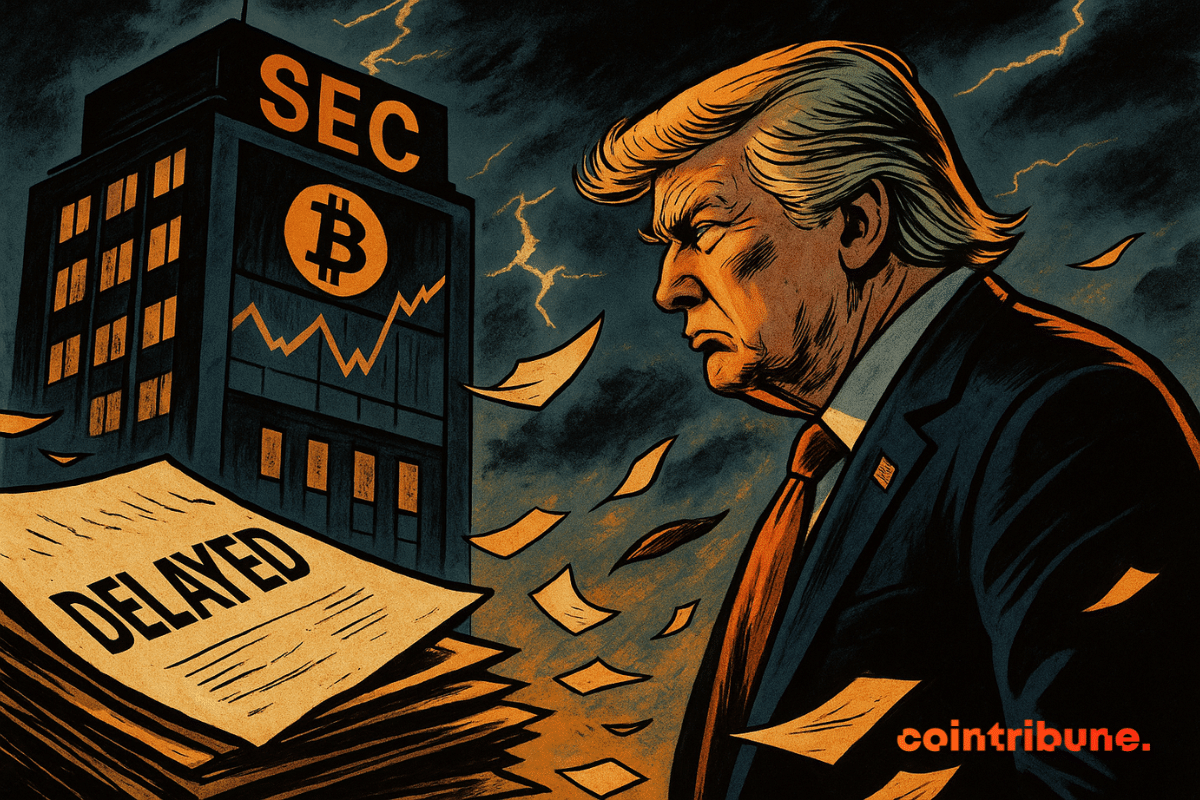
Trump ready to sign his crypto laws before the summer break. The Senate is cleaning up, but the Trump family keeps their small affairs well protected.
Bitcoin has stood the test of time. Buying bitcoins today is significantly less risky than it was 10 years ago, 5 years ago, and even 1 year ago.
In Toronto, during Consensus 2025, Eric Trump revealed that a true global rush for bitcoin accumulation is underway. This statement comes as the Trump family becomes increasingly involved in the crypto industry, raising concerns among the Democrat camp, which denounces potential conflicts of interest and calls for an official investigation.
When Ukraine wants to create its Bitcoin vault, it resonates! But between pending laws and crypto-donations, the financial war has its new digital front.
Trump eases up (a bit) on customs tariffs: the economy breathes, analysts cough, and Beijing chuckles. 90 days of truce, or 90 days until the storm?
On May 13, 2025, in Riyadh, Donald Trump signed a strategic partnership with Saudi Arabia valued at 600 billion dollars. Beyond the amount, it is the nature of the alliance, encompassing defense, tech, and energy, that is striking. As Washington strengthens its foothold in the Middle East and Riyadh accelerates its post-oil transformation, this agreement redefines the power dynamics between two powers seeking global influence.
American inflation defied all doomsday predictions in April, falling to 2.3% despite the implementation of massive tariffs by the Trump administration. This unexpected decline raises a troubling question: what if analysts had exaggerated the impact of protectionist measures? Are fears of an inflationary spiral overstated?
Imagine this: you’re among the 220 lucky winners invited to dine with Donald Trump. The email lands in your inbox. Your heart races. Black tie recommended. You’re in. On the other side, thousands are fuming. Their wallets didn’t make the cut. No dinner. The verdict is in. The $TRUMP memecoin has revealed its winners… and its losers. In the crypto world, this contest marks a turning point—both spectacular and controversial.
In a world where geopolitical fault lines are shifting rapidly, Saudi Arabia plays a delicate tune between two rival blocs. Solicited by the BRICS but still closely tied to the United States, Riyadh is biding its time, suspending its official membership despite signals of openness. While Beijing lures with its economic promises and Washington threatens with tariffs, the kingdom is preserving its options. Does this tactical ambiguity mask a pre-established strategic direction or is it preparing for a major rebalancing on the global chessboard?
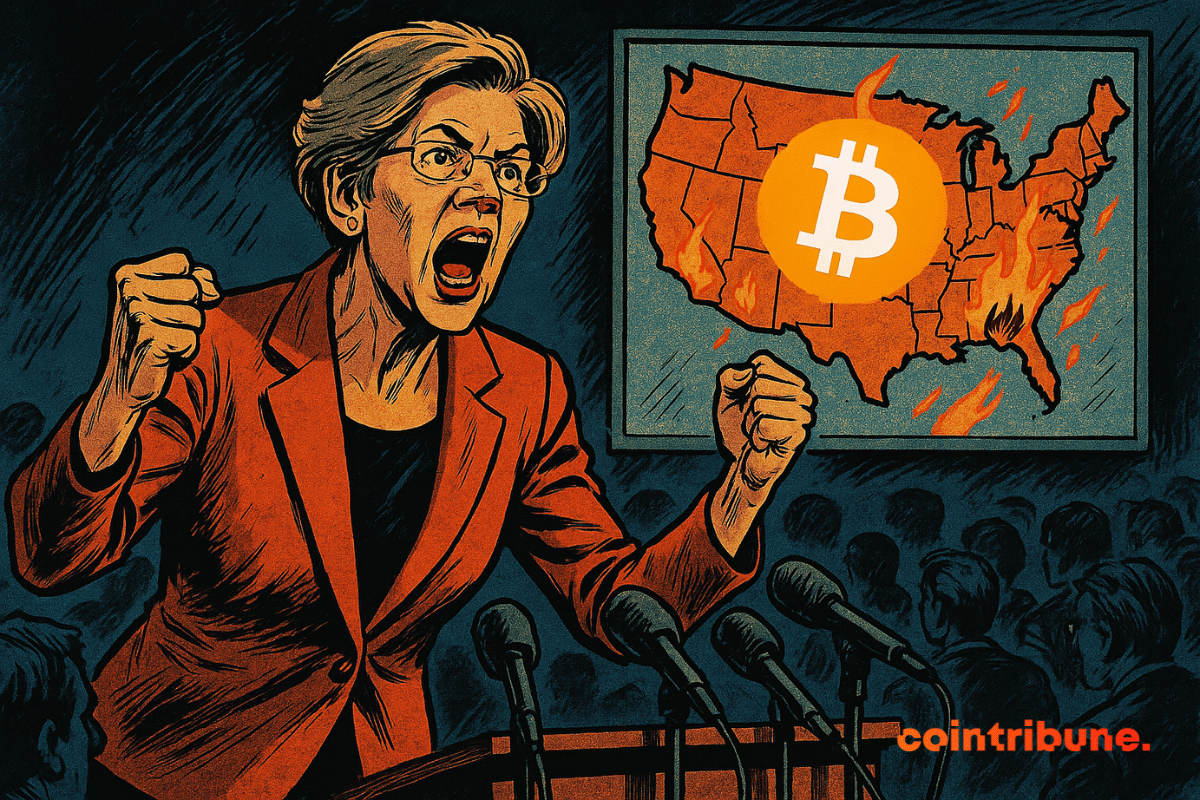
American senators want to ban Donald Trump and senior officials from promoting or holding cryptocurrencies. The initiative, introduced amid tensions over stablecoin regulation, aims to counter potential conflicts of interest related to crypto projects supported by the current president. Will this political offensive mark the end of Trump’s influence on the crypto market?
As the Russo-Ukrainian war drags into its fourth year, a possible meeting between Volodymyr Zelensky and Vladimir Putin in Istanbul could reshape the dynamics. For the first time in months, Kyiv is open to the idea of direct talks. Zelensky announced this Sunday, May 11, that he would await Putin on Thursday, May 15, in Istanbul. However, Ukraine sets a firm condition: no exchanges will take place without a total ceasefire, which is demanded from this Monday. This is a significant requirement in a conflict where every diplomatic gesture is closely scrutinized.
As the conflict in Ukraine reaches a critical juncture, Kyiv and its Western allies are proposing a comprehensive, unconditional ceasefire for 30 days. Supported by Washington and major European capitals, this initiative aims to create a pathway for negotiations. However, beyond the call for a truce, one question looms: will Moscow see this as a genuine hand extended or a tactical maneuver concealing a strategic advantage for Ukraine? The answer could reshape the balance of power diplomatically.
A massive $2 billion investment in Binance, backed by a stablecoin linked to the Trump family, is shaking Washington. Senators are calling for an investigation into Donald Trump and Changpeng Zhao. Amid conflicts of interest, potential presidential pardons, and foreign influence, a politico-crypto shock threatens the American regulatory balance.
A flagship asset of the 21st century, bitcoin fascinates as much as it divides. While its price already defies traditional financial standards, some experts predict a surge towards one million dollars. Long considered marginal, these projections are now gaining traction in economic influence circles. Financial institutions, renowned investors, and regulatory figures are sketching a future where BTC could become an essential store of value in a world shaken by inflation, monetary distrust, and a rapidly accelerating institutional adoption.
The U.S. Senate rejected the GENIUS Act bill yesterday, which aimed to regulate stablecoins. With a vote of 48 against 49, far from the 60 votes needed, this bipartisan legislation faced unexpected opposition from Democrats, jeopardizing the regulatory future of dollar-backed cryptos. But what are the real reasons behind this legislative failure?
Donald Trump, master of political staging, found himself caught in his own game. Manipulated by a pro-XRP message, he unwittingly becomes the main actor in a crypto lobbying operation. An explosive affair where political influence and blockchain interests clash in a scandal at the top.
The crypto greenback is waging its war: while rivals battle in plain sight, USD1 climbs the rankings, propelled by the Trumps and boosted by billions.
After denying the rumors, Changpeng Zhao (CZ) has finally confirmed that he sought a presidential pardon from Donald Trump. The founder of Binance, convicted of money laundering in 2023, hopes to ease the restrictions that have been placed on him since his release from prison.
A single message from Donald Trump was enough to electrify the markets. The announcement of a potential trade agreement between the United States and the United Kingdom propels bitcoin close to 100,000 dollars! Between tough politics and stagnant monetary decisions, BTC returns to the center of the game.
And if a trade war could lead to a nuclear confrontation? The hypothesis seems extreme, until it is put forward by Warren Buffett. Indeed, during the annual meeting of Berkshire Hathaway, the investor warned that Donald Trump's economic policies, perceived as aggressive, could fuel global tensions with uncontrollable consequences. An unusual stance, heavy with implications, in an international context already weakened by growing rivalries.