
Fri 05 Sep 2025 ▪
4 min read
▪
by
Russia requires banks to monitor ATM withdrawals for fraud and notify customers, a move that may affect cash-heavy crypto operations.
Russia requires banks to monitor ATM withdrawals for fraud and notify customers, a move that may affect cash-heavy crypto operations.
Bybit, the world’s second-largest cryptocurrency exchange by trading volume, is advancing its European expansion. Bybit EU Group took this next step with the formal application submission for a license under the Austrian implementation act of the Markets in Financial Instruments Directive (MiFID II) through one of its Austrian entities, Bybit X GmbH.
American crypto-focused prediction platform Polymarket has been granted operational greenlight after the U.S. Commodity Futures Trading Commission (CFTC) issued a no-action notice to two entities linked to the company. This action follows the application for regulatory relief in July.
Regulated exchange platforms can conduct spot cryptocurrency trading activities, according to a joint statement by the U.S. Securities and Exchange Commission (SEC) and the Commodity Futures Trading Commission (CFTC) on September 2, 2025. This policy clarification marks a key regulatory step that could help drive crypto trading and promote investor protection.
Gemini has officially filed for its IPO, a step that could bring the decade-old platform to Nasdaq under the ticker symbol GEMI.
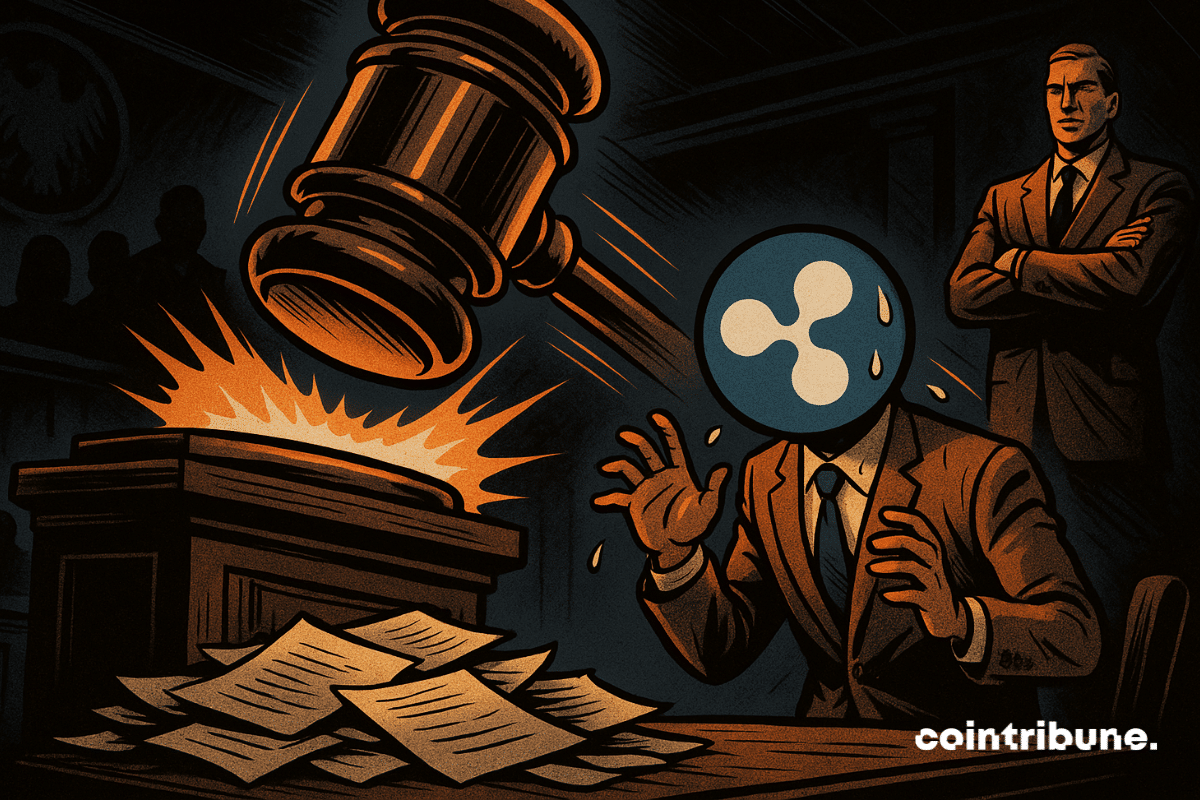
SWIFT CIO Tom Zschach says resilience isn’t about surviving lawsuits. Banks prioritize trust, compliance, and governance over legal wins.
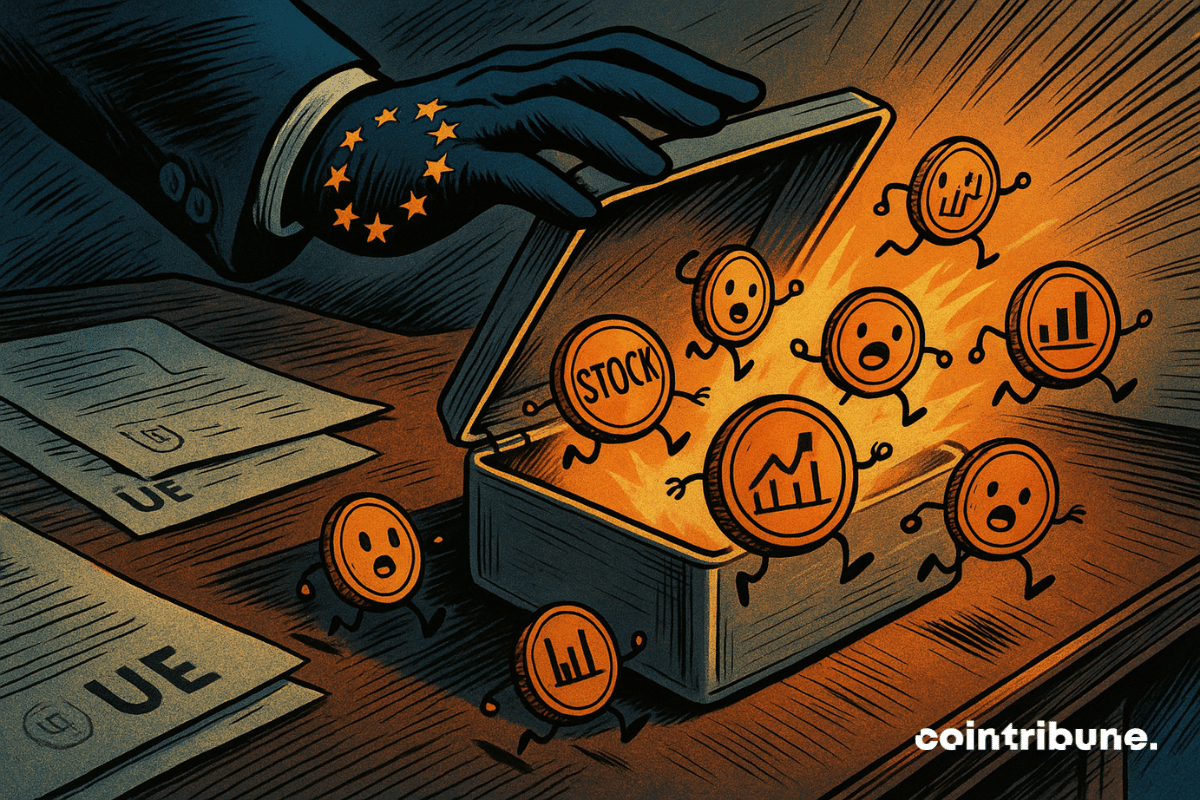
Tokenized stocks captivate the crypto world, but ESMA warns of risks of confusion for investors. Details here!
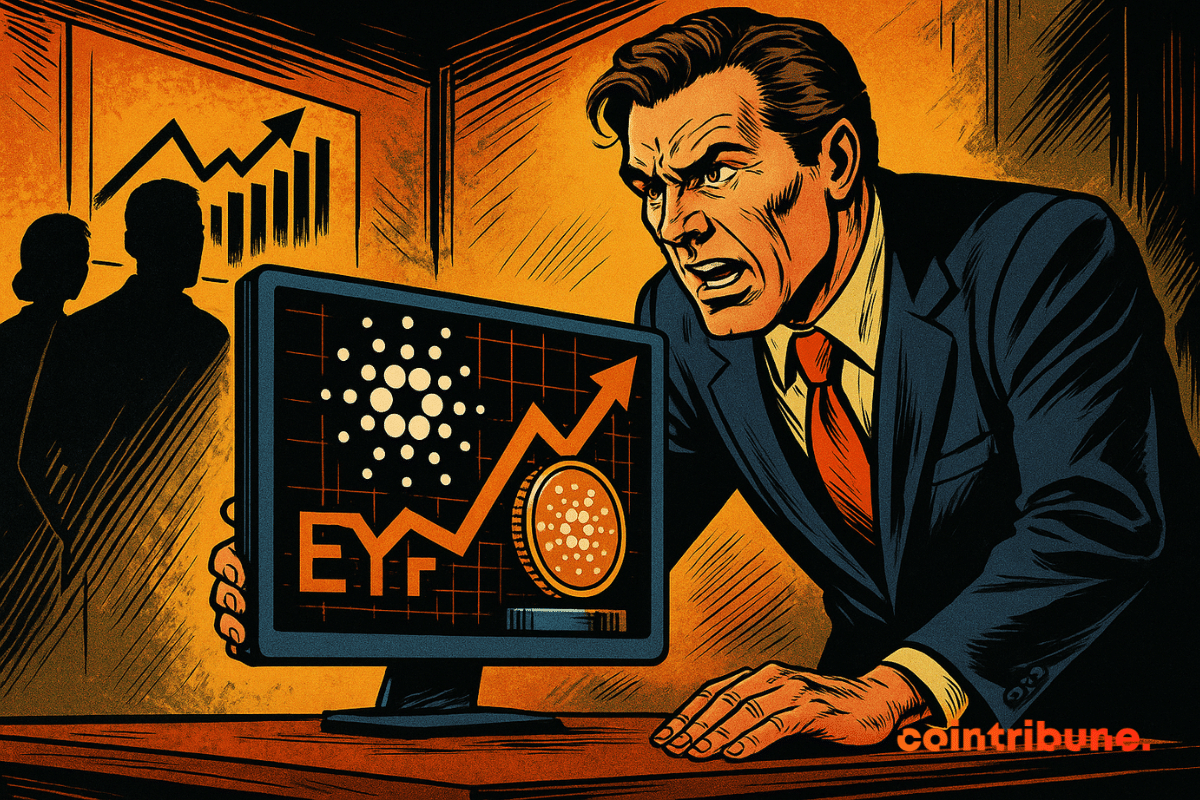
Crypto ETF issuers are just waiting for the SEC to release its stamp. They move forward, file, correct, refine. Like a conductor confident in his score, Grayscale continues to play its own regulatory symphony. And this time, it is Cardano taking the stage, ready to secure its ticket to Wall Street. The countdown is on, the lines are moving, and investors are already sharpening their order books.
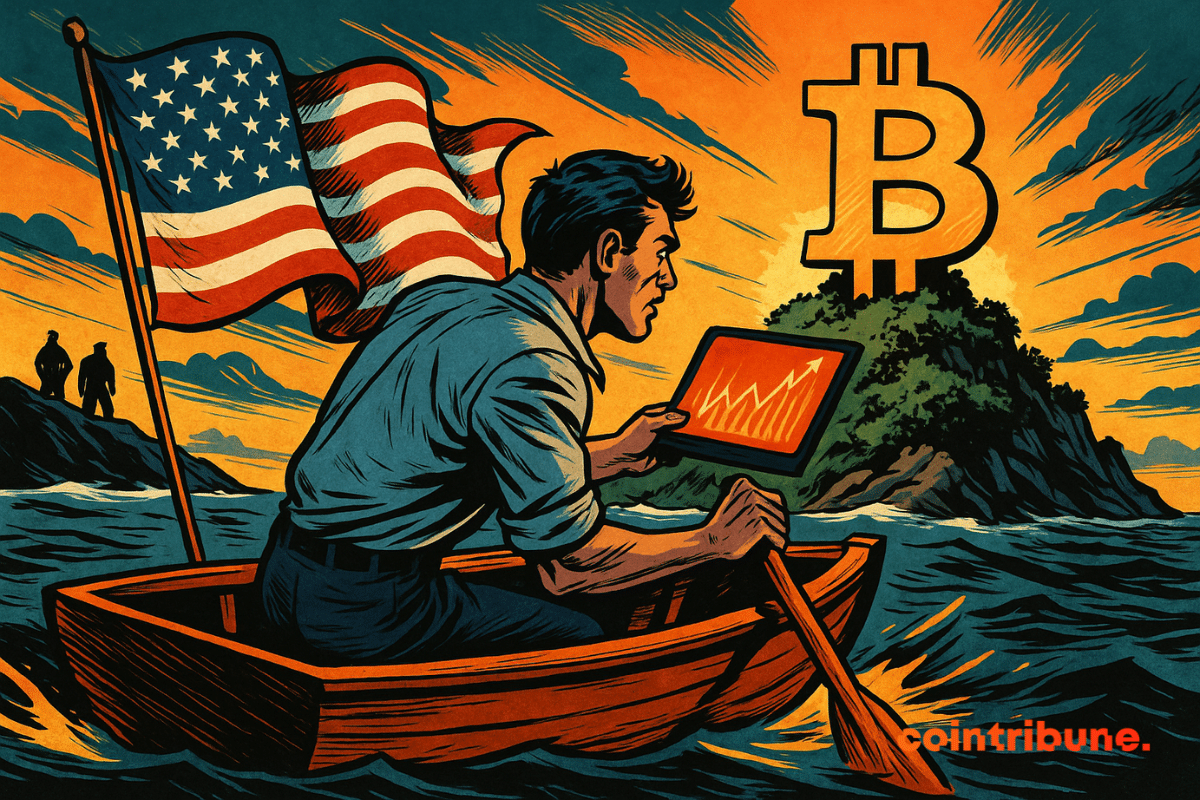
Crypto-expats, come home! The CFTC unveils its magic FBOT passport to revive the American dream. Punitive regulation? A bad memory, sworn and promised...
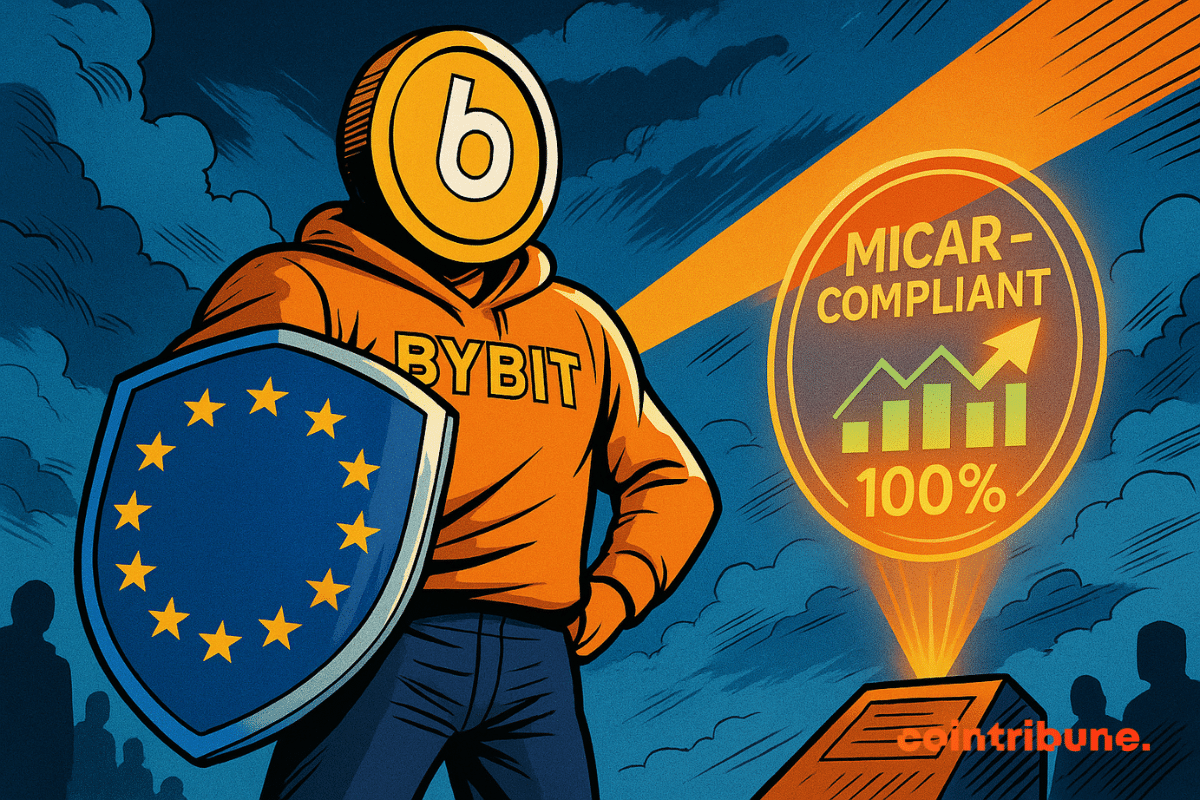
Institutional-grade technology will enhance the integrity of the world’s second-largest cryptocurrency exchange. The surveillance platform combines advanced pattern analytics with comprehensive market data to meet MiCAR obligations.
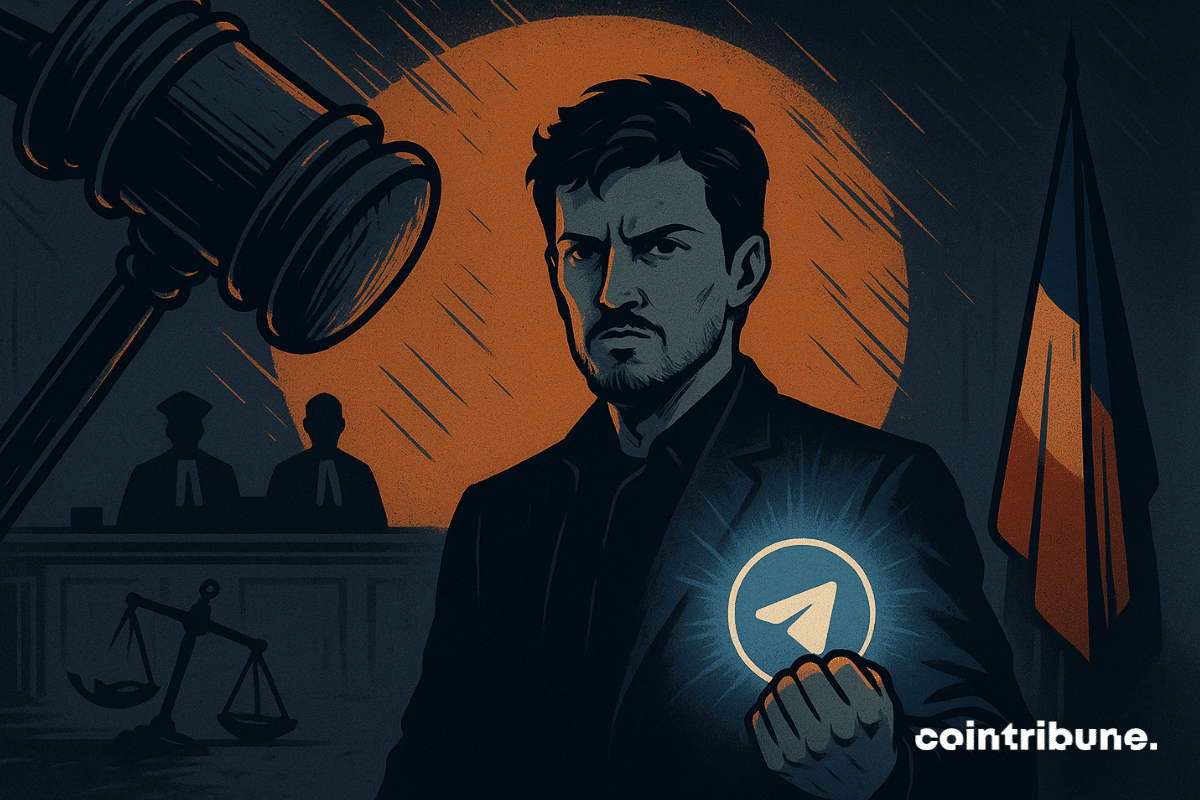
A year after his arrest, Pavel Durov defends Telegram and criticizes French authorities, saying the case has harmed France’s image.
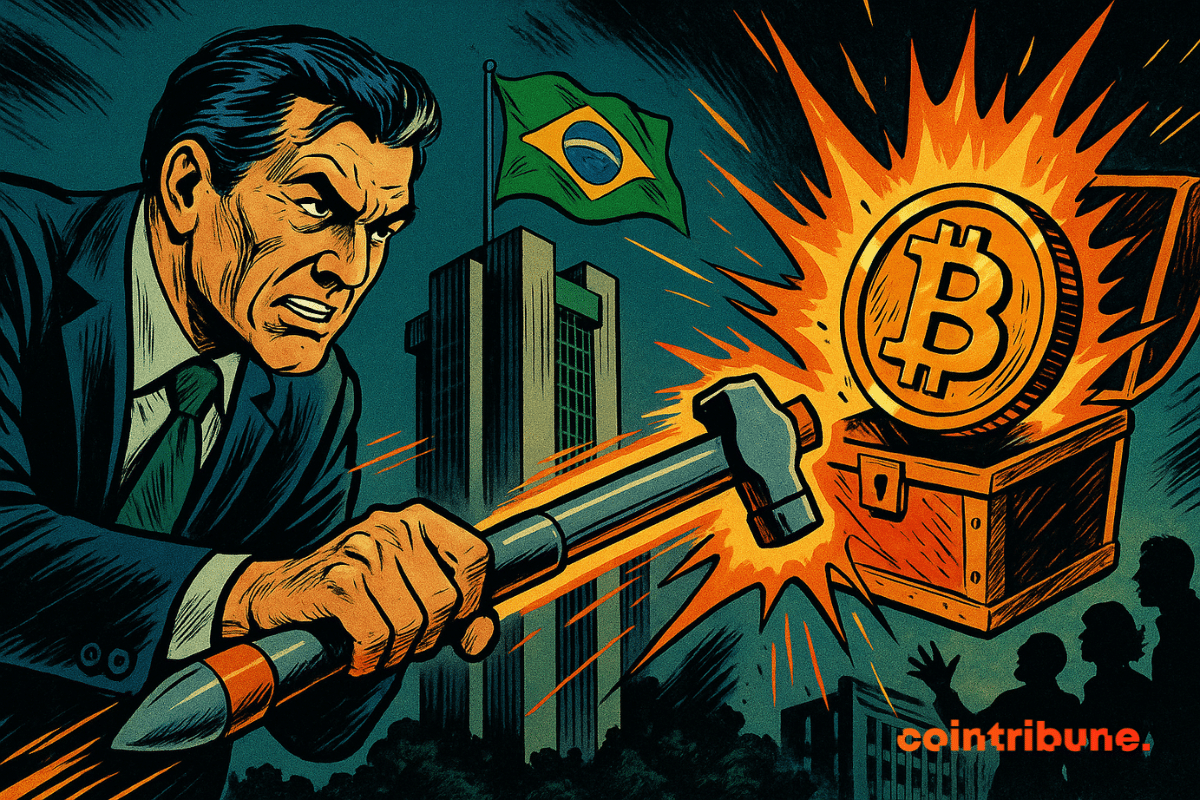
While Brasilia wants to play the crypto-power card, the Central Bank cries danger: bitcoin in the vaults or slaps at the polls?

The European Union is considering anchoring its future digital euro on public blockchains like Ethereum and Solana, according to Financial Times revelations. This choice would mark a major break from centralized approaches, like China, and could redefine the balance of monetary sovereignty in Europe.
A high-ranking U.S. Department of Justice (DOJ) official has sparked fresh crypto regulatory chatter after stating that the department will not prosecute blockchain software developers who do not hold criminal intentions. As expected, this statement has triggered mixed reactions from different corners of the cryptosphere.
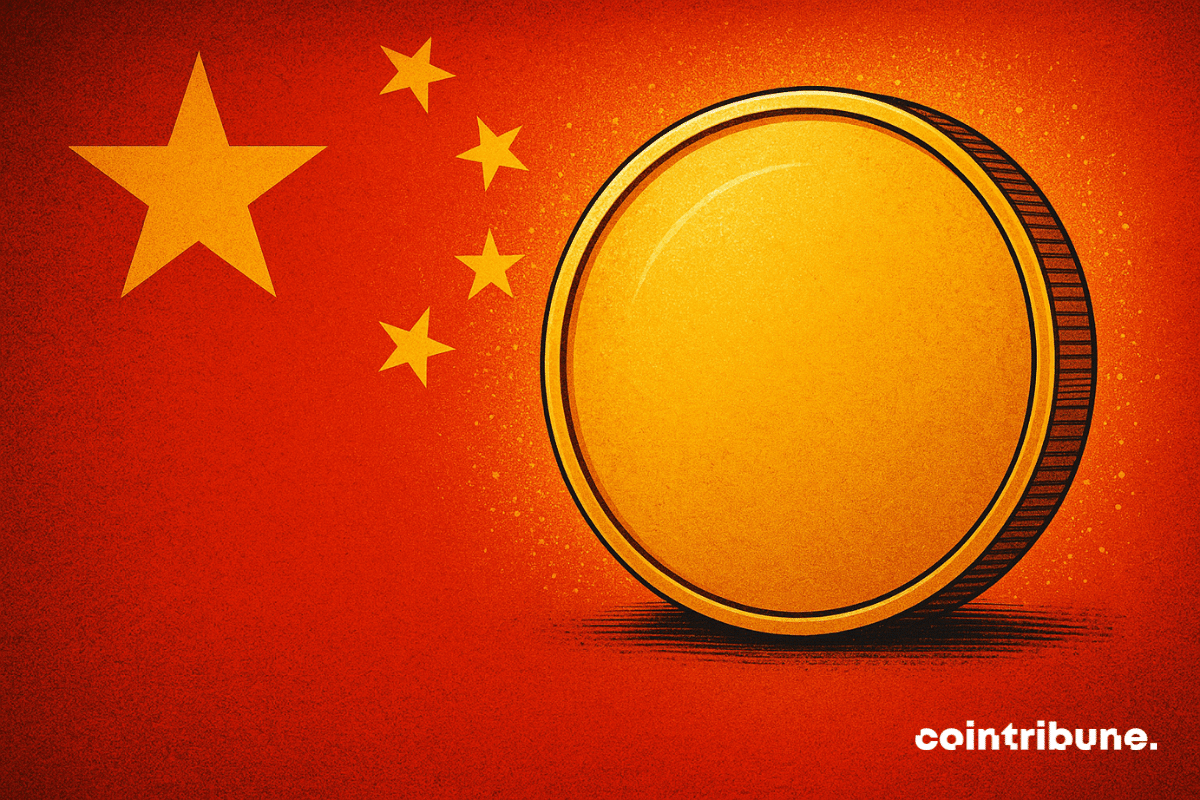
China is reportedly weighing whether to authorize yuan-backed stablecoins. It would be a major reversal of its restrictive crypto stance. According to Reuters, sources familiar with the matter say the State Council will review a roadmap later this month that could open the door to stablecoin issuance tied directly to the Chinese yuan.

A group of crypto companies, financial institutions, and regulatory authorities has launched the Beacon Network. This network allows the rapid detection and freezing of stolen funds on the blockchain, bringing together players like Coinbase, Binance, Kraken, PayPal, and Ripple, alongside security researchers and law enforcement.
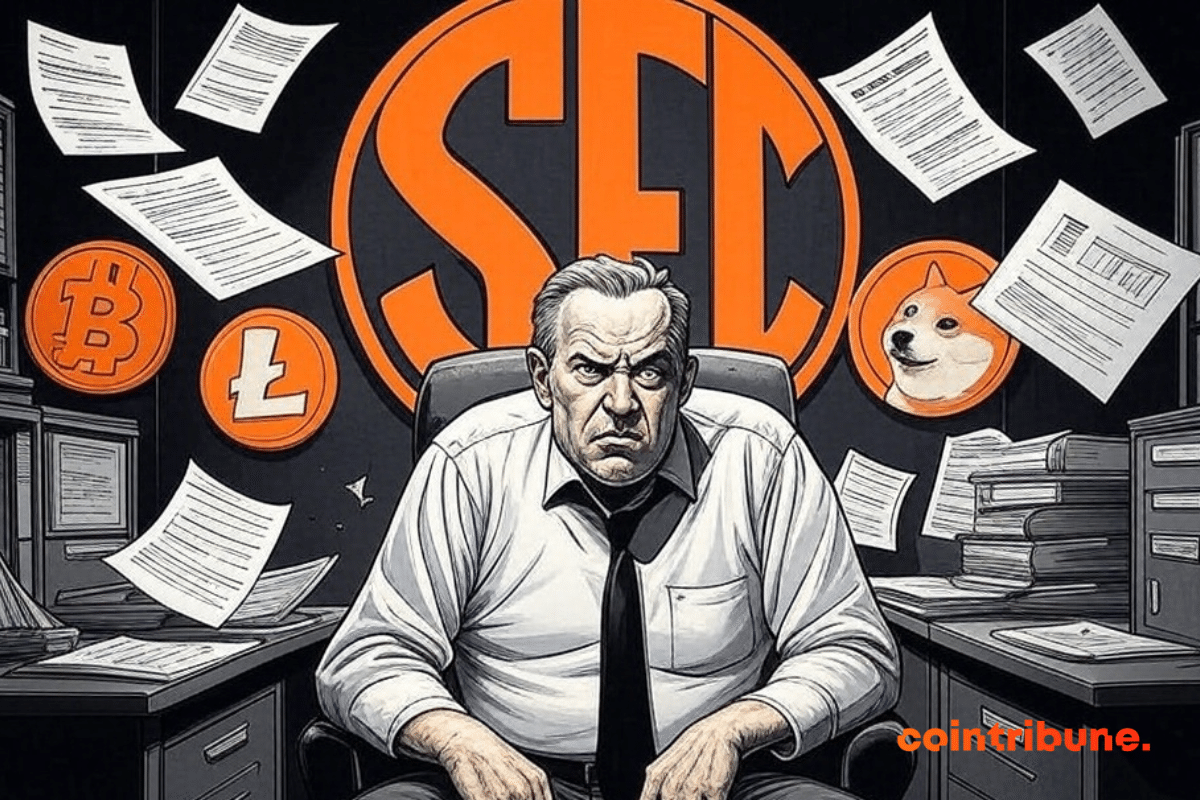
Crypto ETFs blocked, Trump put on hold, and the SEC playing for time: behind regulatory delays, a strange political ballet resembling regulatory poker.

The US Department of the Treasury opens a public comment period until October 17, 2025, to assess cutting-edge technologies in the fight against money laundering and sanctions evasion. This approach is directly part of the implementation of the Genius Act, the historic legislation signed by Donald Trump that revolutionizes the regulation of stablecoins. But which technologies are US authorities really scrutinizing?
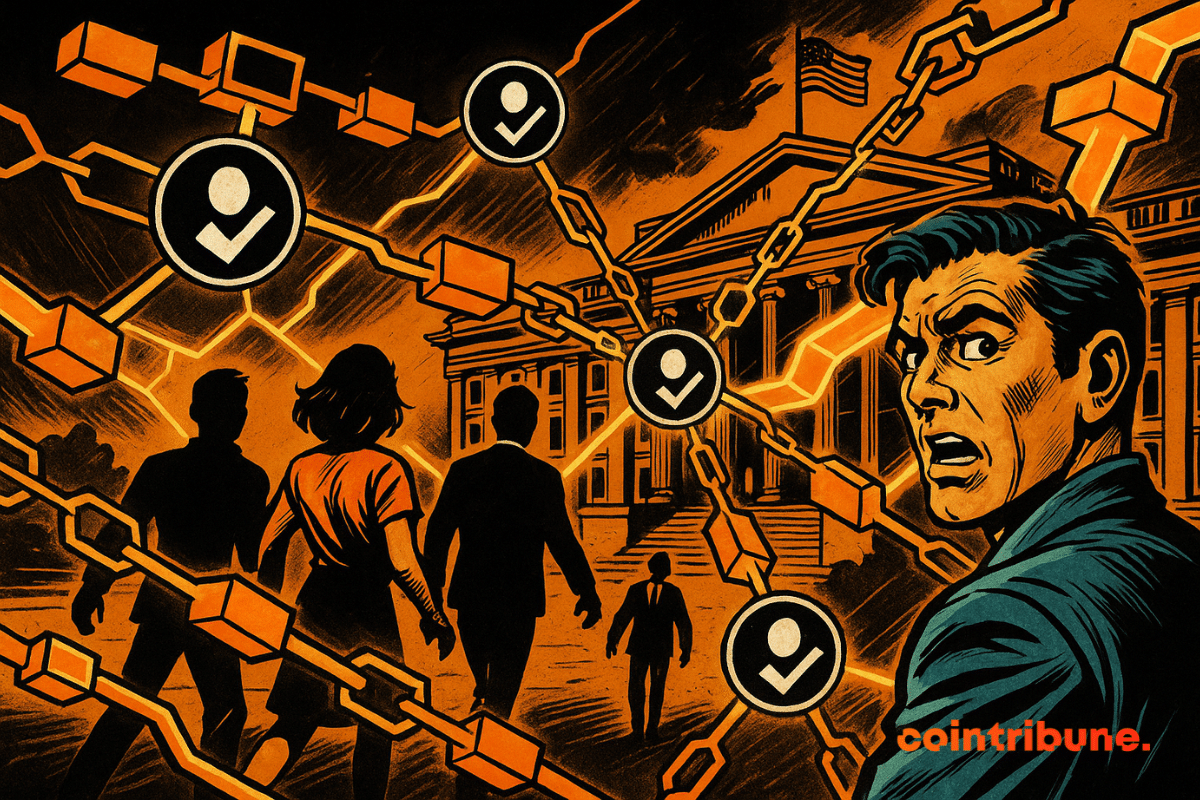
When Uncle Sam plays the DeFi watchdog: he quickly slips biometric identifiers into crypto contracts. Freedom takes a hit... or two.
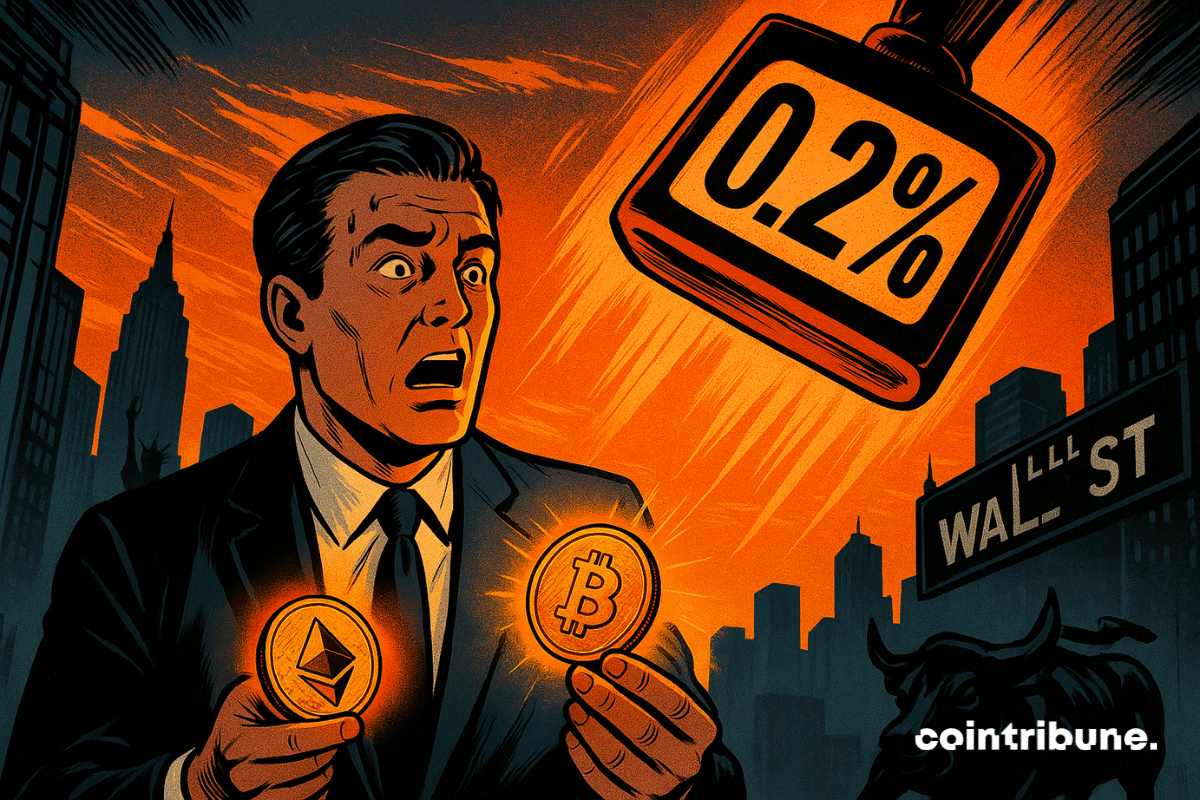
A new proposal in the New York State Assembly aims to impose a small tax on cryptocurrency sales and transfers. Assemblymember Phil Steck has introduced legislation seeking a 0.2% excise tax on digital asset transactions, including cryptocurrencies and non-fungible tokens (NFTs). The bill, if passed, could reshape the way the state approaches digital finance while channeling revenue into school-based substance abuse prevention programs.
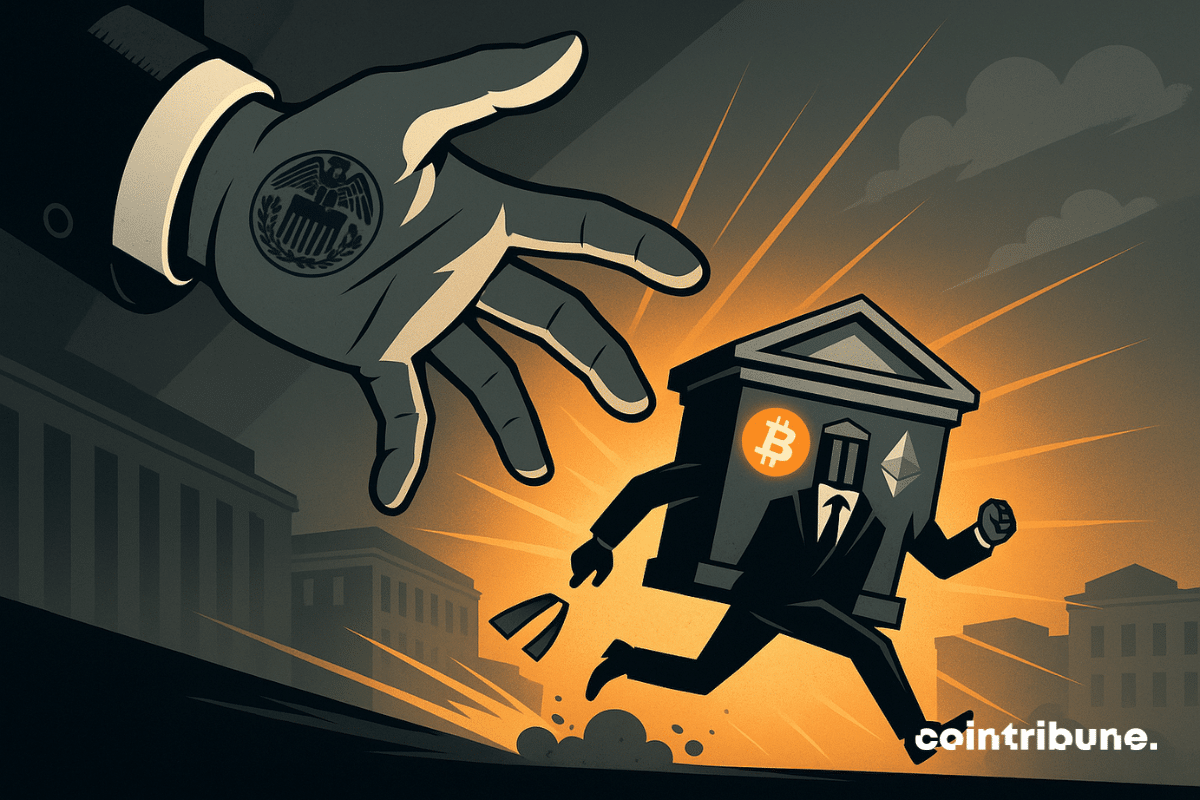
After several years of heightened caution, the US Federal Reserve changes course regarding banks' crypto activities. The institution ends its specific monitoring program. It believes, indeed, that the risks linked to digital assets are now better understood and manageable within the traditional supervisory framework.
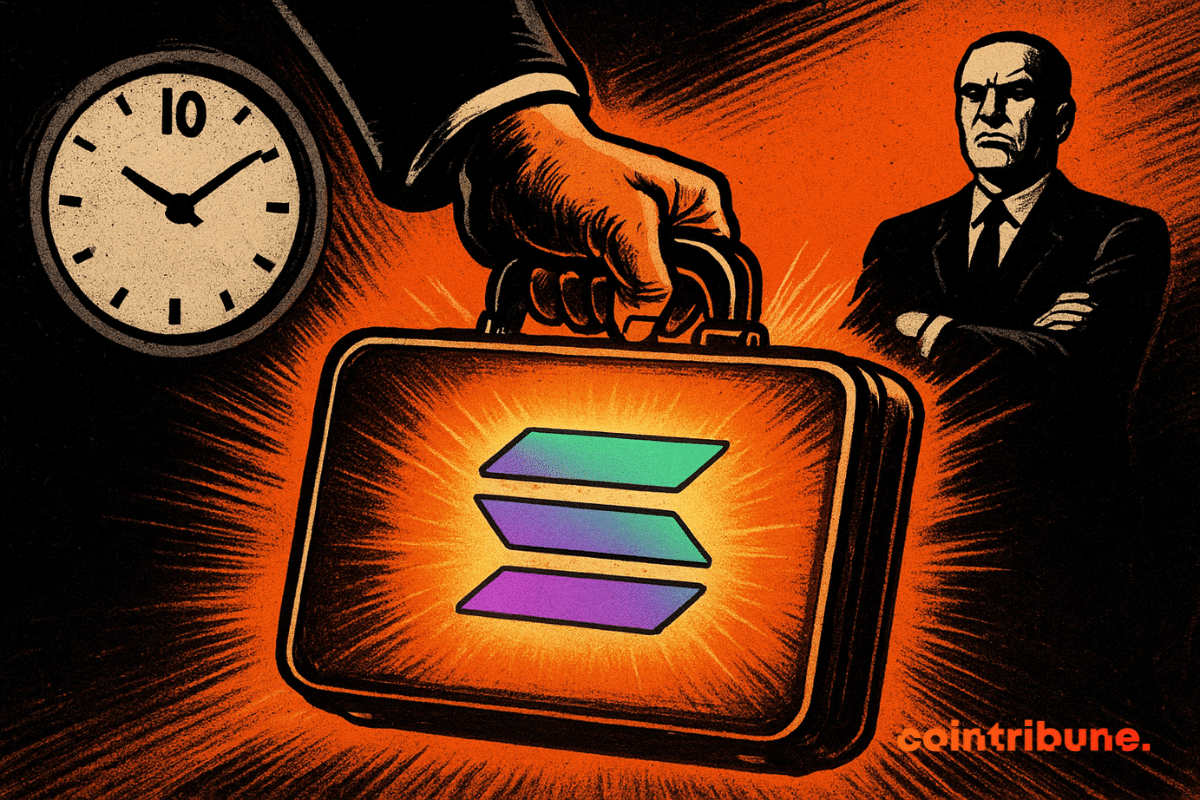
U.S. Solana exchange-traded funds (ETFs) have witnessed another setback in the buildup to their mainstream debut. According to recent reports, the U.S. Securities and Exchange Commission has suspended discussions over a possible SOL ETF approval, with the decision timeline extended to October 16.
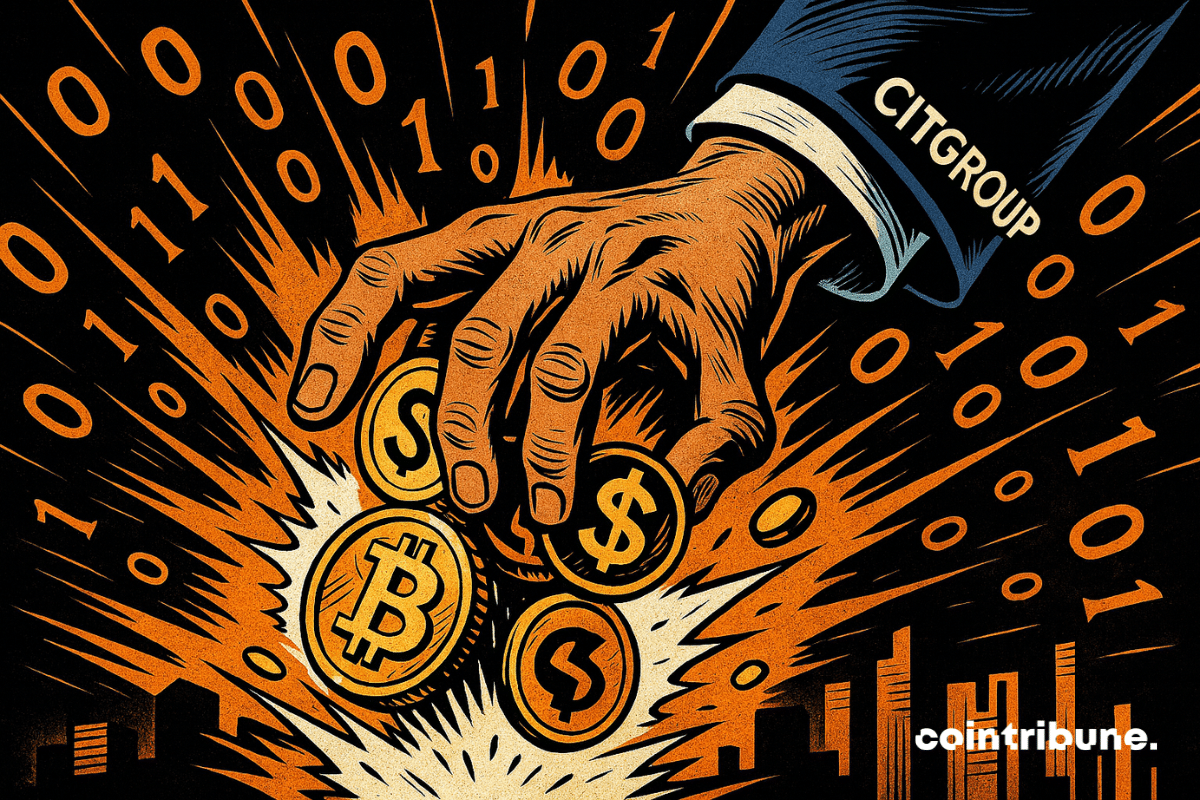
Citigroup bank, once hesitant, now wants to keep your crypto like you keep gold bars: stablecoins in the vault, ETFs in the pocket, all under Washington's watchful eye.
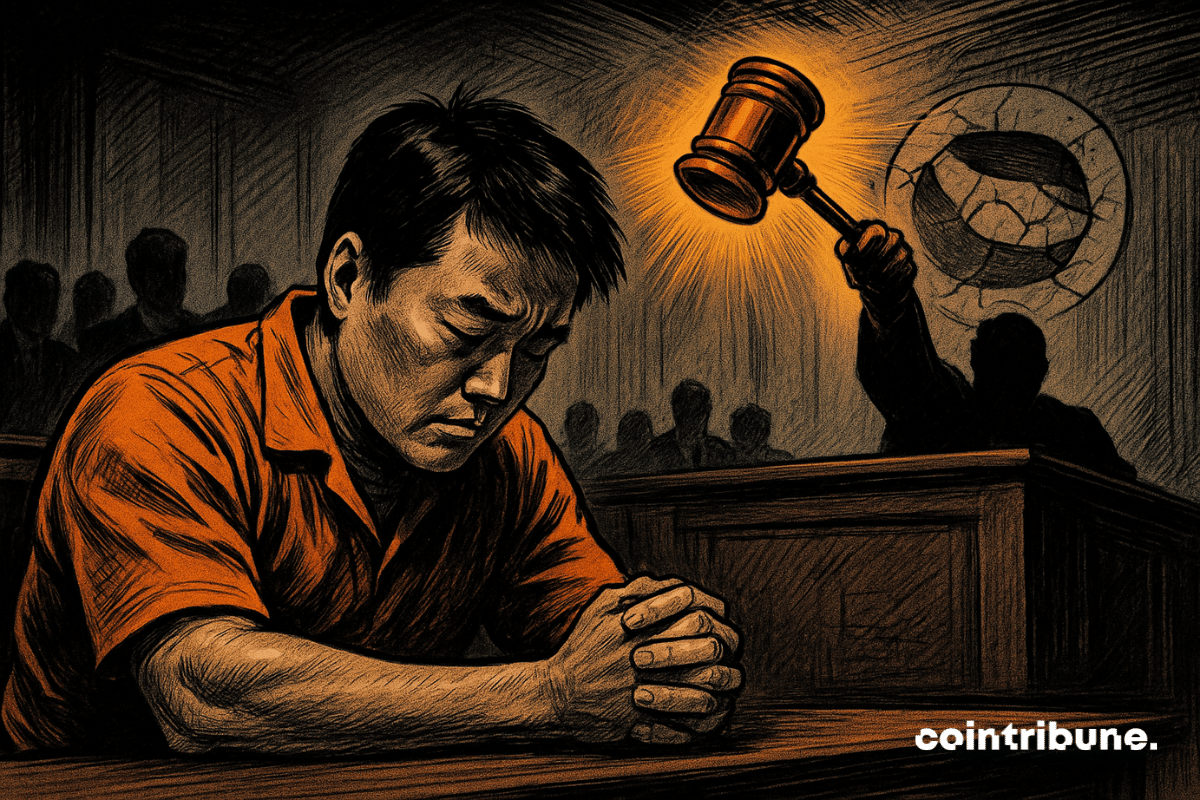
Terraform Labs co-founder Do Kwon has admitted guilt to two U.S. criminal charges tied to the $40 billion collapse of TerraUSD and Luna. The South Korean entrepreneur entered the plea in the Southern District of New York after earlier denying all charges. The agreement with prosecutors includes financial penalties of up to $19 million and a recommendation for a reduced prison term.
The U.S. Securities and Exchange Commission is shifting its focus toward building a clear regulatory framework for cryptocurrency markets following the conclusion of its nearly five-year legal battle with Ripple Labs.

An Ethereum developer known as “Fede’s Intern” has been detained in Turkey amid allegations of helping users misuse the blockchain. The case has caused hesitations within the crypto community, however no actual charges have been validated at this moment.
The future of stablecoins is taking shape in this colorful and often unpredictable world of cryptos. Records are breaking one after another, driven by massive adoption and piling innovations. And while some see it as a simple fad, others bet that this wave will not stop anytime soon. The numbers speak for themselves... and they have rarely been so eloquent.

Between boldness and stubbornness, Bukele launches his "Bitcoin banks": one foot in global finance, the other in crypto, and the IMF coughing in its tie.
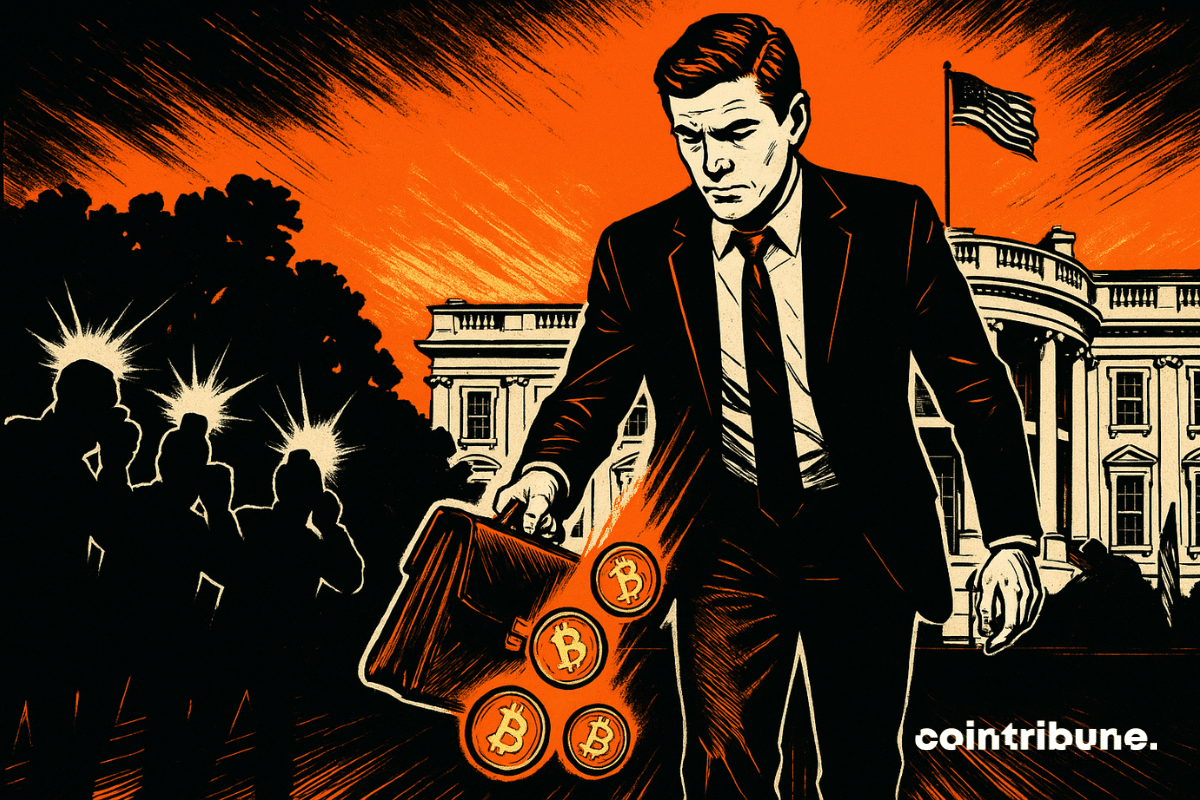
In Washington, crypto policy loses one of its most prominent faces. Bo Hines, propelled at the end of 2024 to the head of the Presidential Council of Advisers for Digital Assets, leaves his position after only a few months. A key figure in the system wanted by the Trump administration to make the United States a global blockchain hub, he moves to the private sector. His departure raises a central question: will the White House be able to maintain the momentum given to its crypto strategy?
The U.S. Securities and Exchange Commission’s (SEC) statement regarding liquid staking has, as expected, drawn different views and opinions across all corners of the crypto space. Although some believe that this nonbinding guidance could help drive institutional and retail adoption, others have raised concerns over the risk, potential challenges and key legal hurdles.