Sun 22 Jun 2025 ▪
4 min read
▪
by
Trump targets Iran, Bitcoin stumbles, traders are jittery, and indicators falter: what if war determined the next peak of crypto?
Trump targets Iran, Bitcoin stumbles, traders are jittery, and indicators falter: what if war determined the next peak of crypto?
The president of Strategy has just revised his projections for Bitcoin. His new target? 21 million dollars in 21 years. A prediction that is causing debate within the crypto community and raises questions about the foundations of this heightened optimism.
What if Bitcoin hasn't yet reached its peak? As the markets digest their recent upheavals, a projection based on historical signals puts the bullish cycle into perspective. According to a technical analysis supported by the AVIV ratio, an obscure behavioral indicator, Bitcoin could peak at up to $330,000. Analyst Gert van Lagen links this hypothesis to a sustained accumulation dynamic, indicating that the current bull run may be far from having said its last word.
While Bitcoin puffs its chest at 65%, altcoins are playing hide and seek with their fans. Altseason expected? Yes… but only in the wet dreams of sleepless traders.
As Bitcoin stumbles under the blows of brutal volatility, an enigmatic tweet from Michael Saylor adds fuel to the fire. An AI-generated image, a nod to The Matrix, and this cryptic phrase: "Tickets to escape the Matrix are sold in Bitcoin." Is it just a jest? Or a coded message for those who still know how to read between the lines?
The Norwegian government is considering temporarily suspending new bitcoin mining operations. This drastic measure, motivated by energy concerns, could reshape the landscape of European mining.

Monte-Carlo WAIB Summit Awards 2025 Announces Finalists in 10 Categories — Plus an Exclusive KOL of the Year Award — Voting Now Live!

Bitcoin continues to break records, but it's the behind-the-scenes of the market that now captures attention. While its price touches new heights, another figure is alarming: 96 billion dollars in open interest on derivatives. This data, as fascinating as it is concerning, raises a simple yet crucial question: is leverage propelling Bitcoin… or preparing for its fall?

BlackRock dominates Bitcoin ETFs with $69.7 billion. We provide all the details in this article!

Bitcoin’s recent consolidation has traders uneasy, with retail investors growing cautious. Yet, experts see this calm as a potential bullish sign.
Michael Saylor stays confident in Bitcoin despite the Federal Reserve’s decision to keep rates steady. His company recently added 10,100 BTC, boosting its total holdings to over 590,000 coins, signalling strong belief in Bitcoin’s long-term value amid mixed market reactions.

The American Bitcoin mining industry is going through a critical period. Between archaic tax regulations and growing economic pressure, miners are now demanding fair treatment compared to their counterparts in traditional commodities.

Inflation impoverishes billions of people while enriching a few million millionaires. Bitcoin is the antidote.
Semler Scientific has just thrown down its conservative mask to reveal a blazing ambition: to accumulate 105,000 bitcoins by the end of 2027. A strategic target that would place the company second among global institutional holders, just behind MicroStrategy, the empire of Michael Saylor.

Away from the spotlight, a massive influx is reshaping the landscape of crypto investment in the United States. In just eight days, spot Bitcoin ETFs have attracted $2.4 billion, despite a lackluster market. This sustained flow contrasts with the prevailing caution and reveals the growing anchoring of Bitcoin in institutional portfolios. Meanwhile, Ethereum, which has long been in catch-up mode, is showing signs of fatigue. Such a divergence raises questions about market priorities and upcoming strategies in the realm of digital assets.
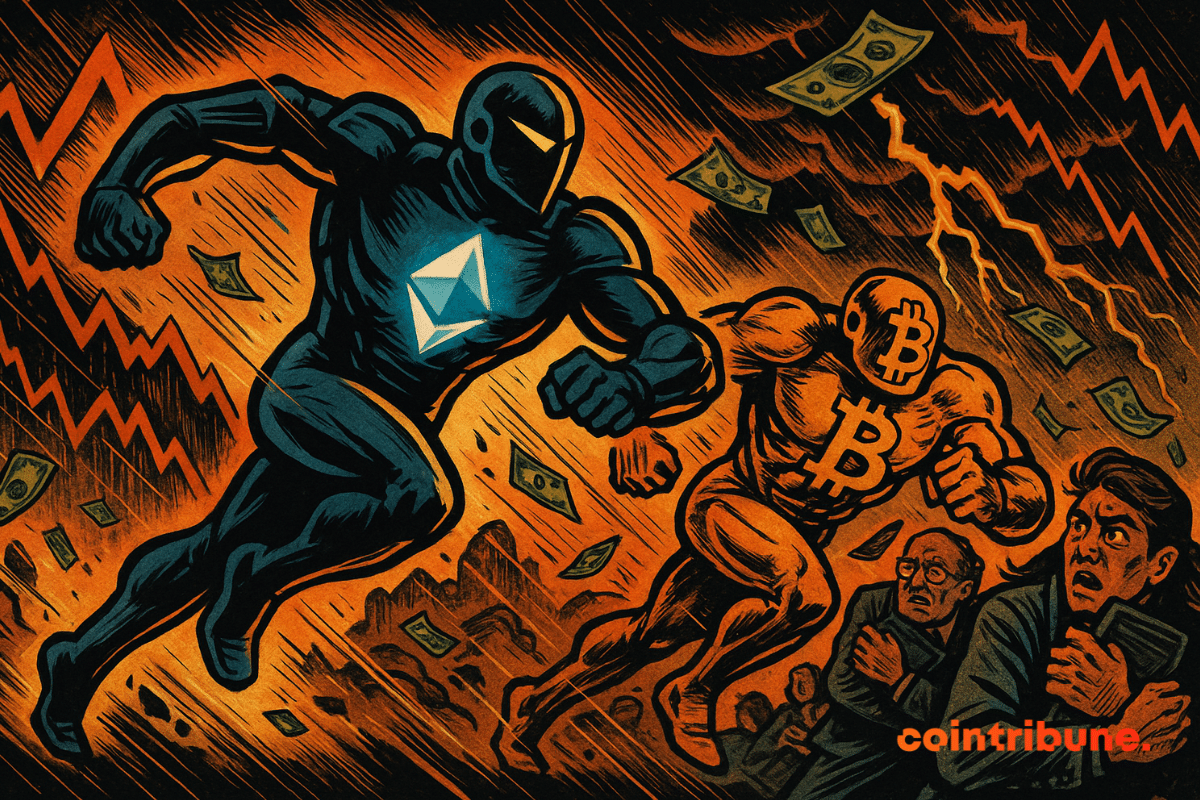
Ethereum stays strong above $2,500, outshining Bitcoin as whales accumulate and pressure builds for a breakout.

As Bitcoin enters a new phase of maturity, an unexpected phenomenon redefines its scarcity: every day, more BTC become inactive for ten years or more than new coins are mined. A silent but consequential reversal.

Despite some profit-taking, the bullish pressure remains strong. A new high awaits Bitcoin.
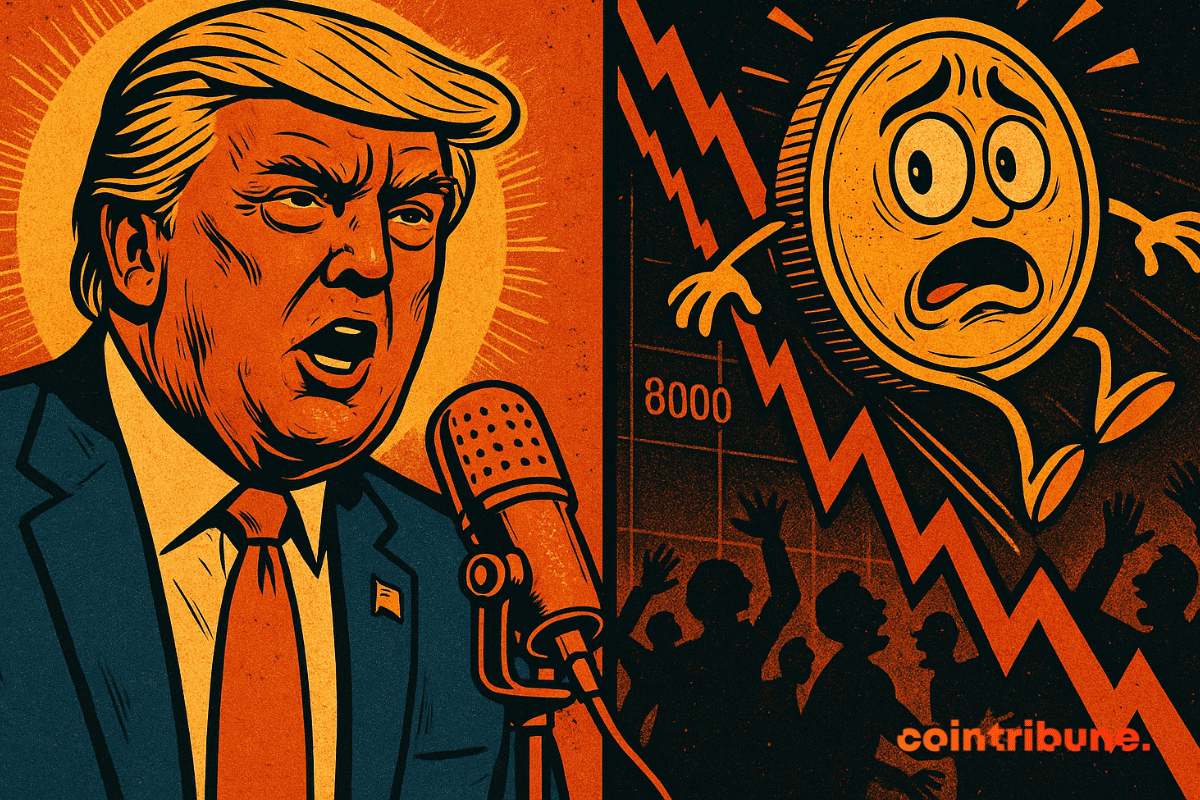
Bitcoin and crypto markets dip as rising concerns over Middle East tensions and Trump’s unexpected actions stir uncertainty.
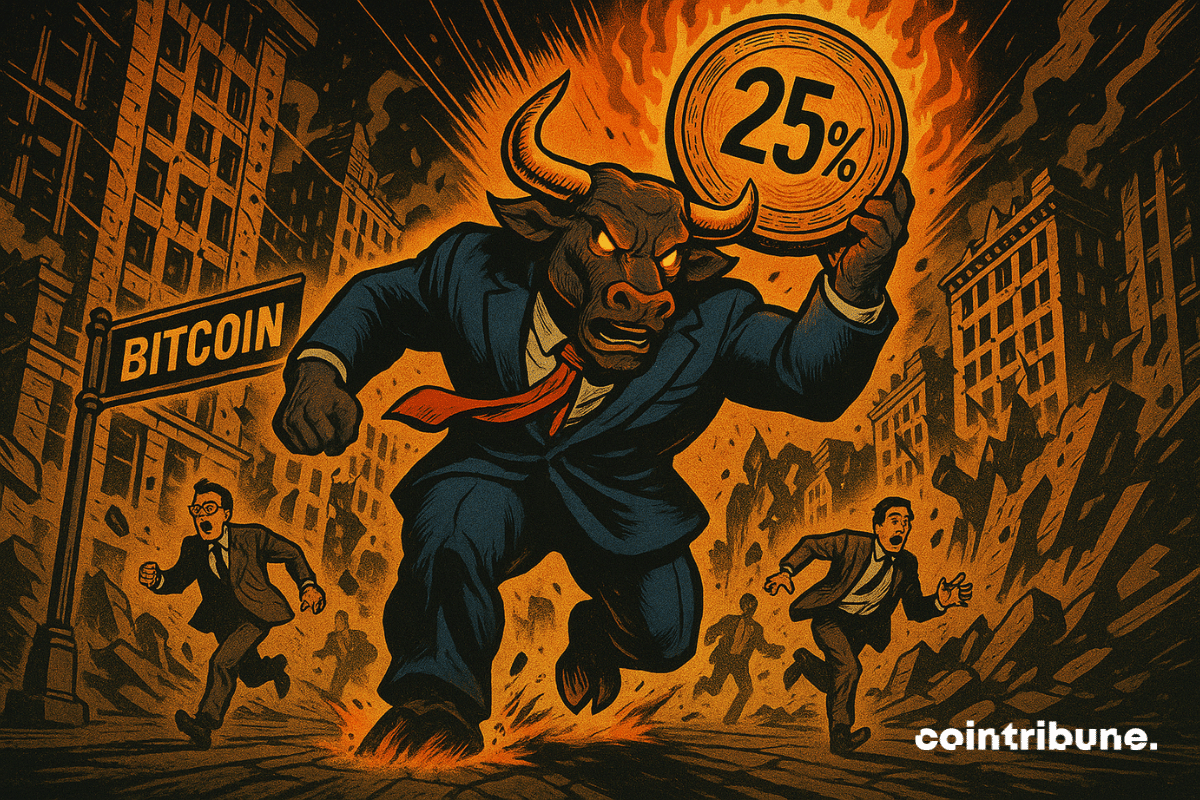
Wall Street's offensive knows no bounds. In less than a year, spot Bitcoin ETFs have captured a quarter of the global trading volumes of the flagship cryptocurrency. This spectacular breakthrough is reshuffling the cards between traditional finance and native crypto platforms, revealing a profound transformation in the sector.

Military tensions in the Middle East are entering a critical phase. While Israel intensifies its strikes against Iran, prediction markets are going wild. The likelihood of a U.S. strike is reaching unprecedented levels. This increase in volatility fuels fears of a regional conflagration, closely monitored by investors, particularly in the crypto ecosystem.
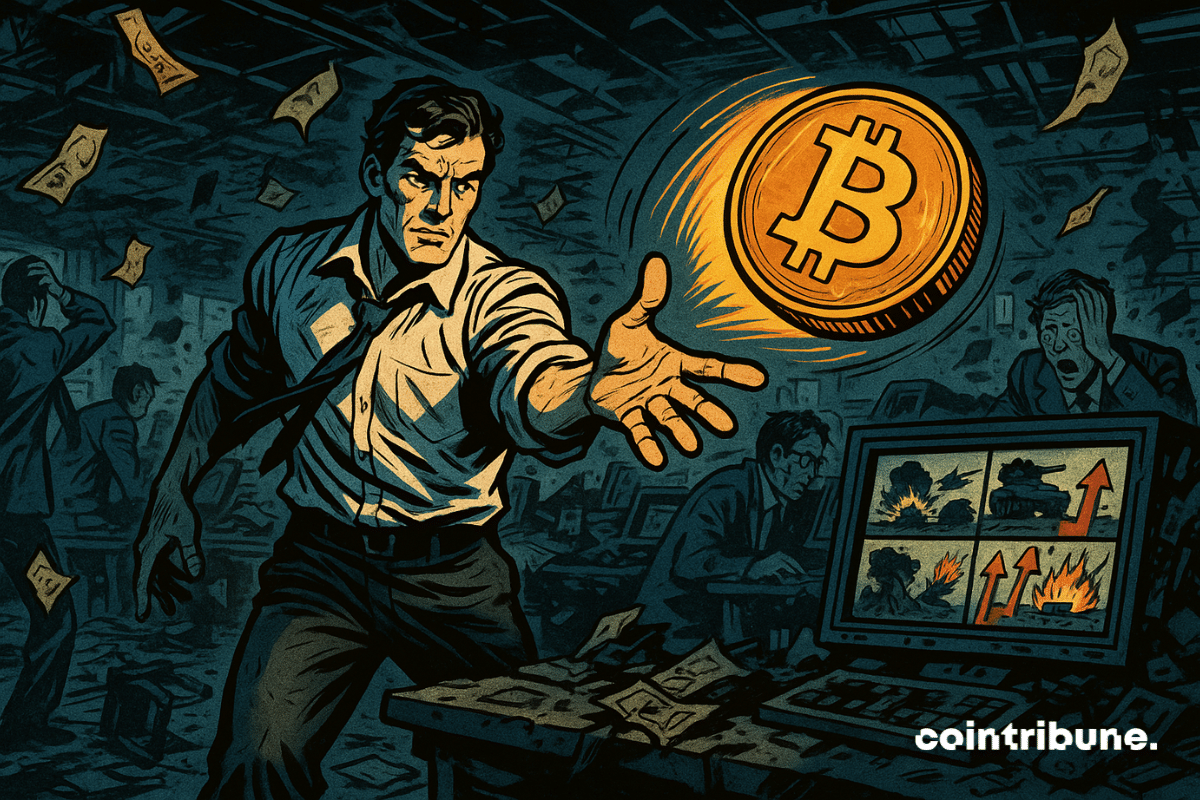
As the world enters a new zone of turbulence, with war in the Middle East, soaring energy prices, and monetary uncertainty, one anomaly persists: Bitcoin is not falling. It is rising. This is a striking paradox in a climate where traditional assets are wavering. Should this be seen as further proof of its transformation into a safe-haven asset? Or merely an illusion of stability fueled by market euphoria?
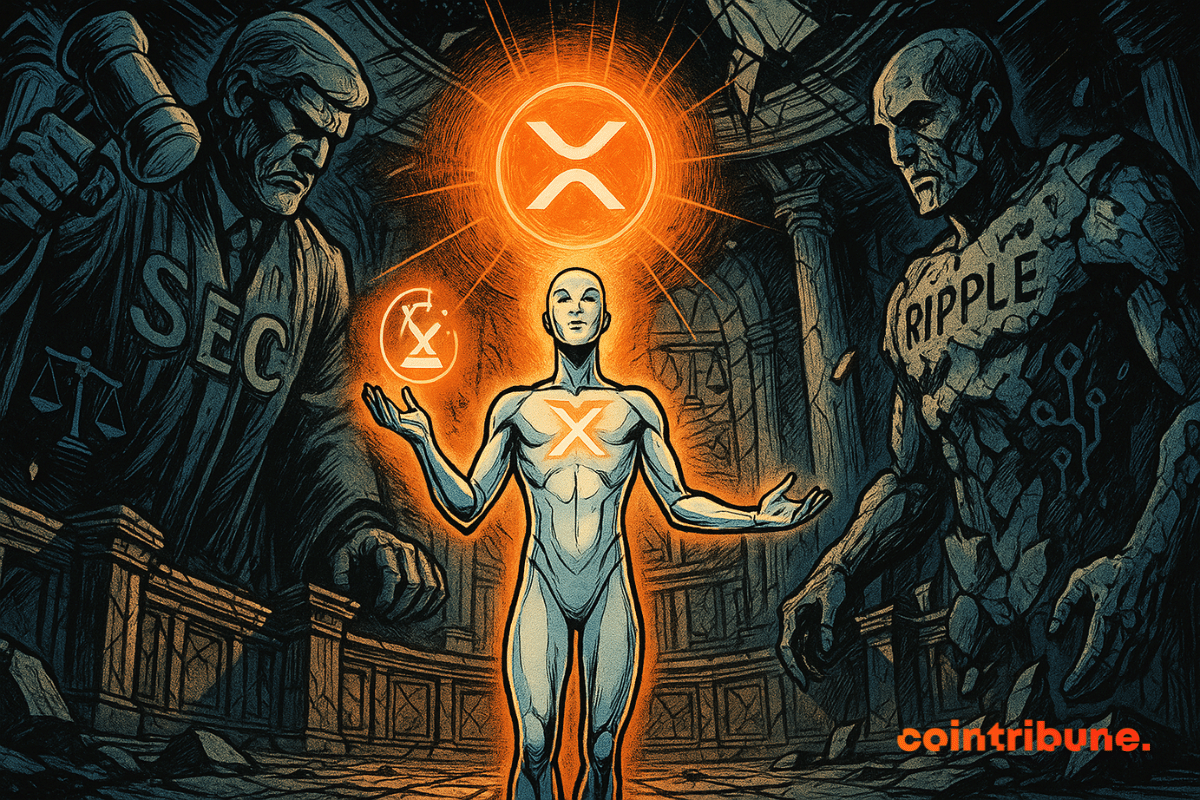
As the legal tug-of-war between the SEC and Ripple drags on, XRP refuses to give in to pessimism. On the contrary, the asset displays an astonishing vitality in the derivatives markets. This unexpected resilience raises an essential question: Is XRP preparing for a strategic turnaround, counter to the current regulatory climate?

Coinbase is introducing its first credit card, offering up to 4% back in bitcoin. The card is exclusive to U.S. Coinbase One members, with a new $4.99/month subscription tier. It launches this fall.
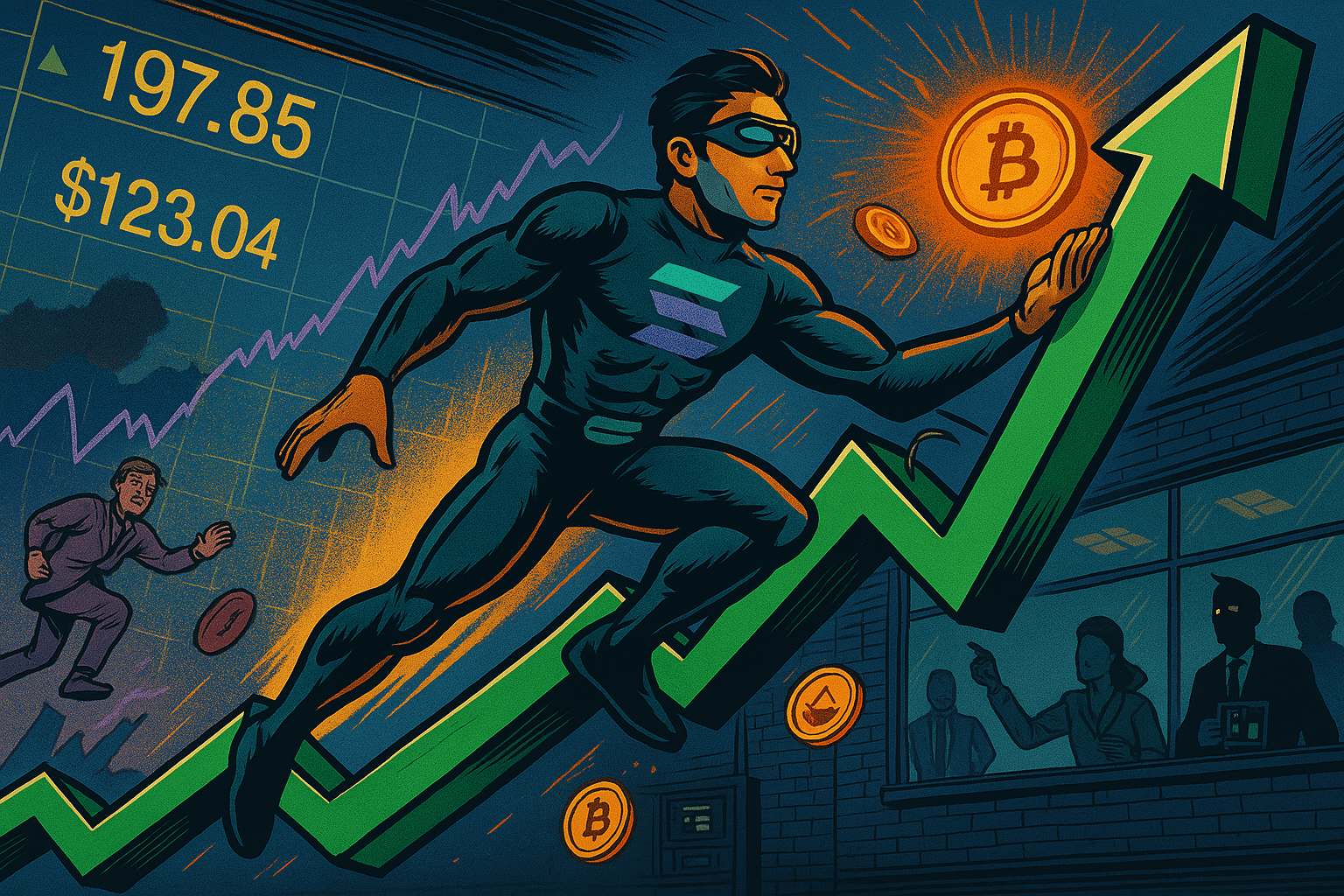
While Ethereum churns and Bitcoin snoozes, Solana is carving its crypto path into company balance sheets. What if the future of decentralized finance is written in SOL letters?

Bukele treats bitcoins like one treats croissants, defiantly challenging the IMF with flair and playing accounting hide-and-seek while promising mountains and wonders to skeptical Salvadorans.

With $1 billion invested, Strategy boosts its bitcoin yield to 19%. A profitable or dangerous strategy? Experts are questioning!
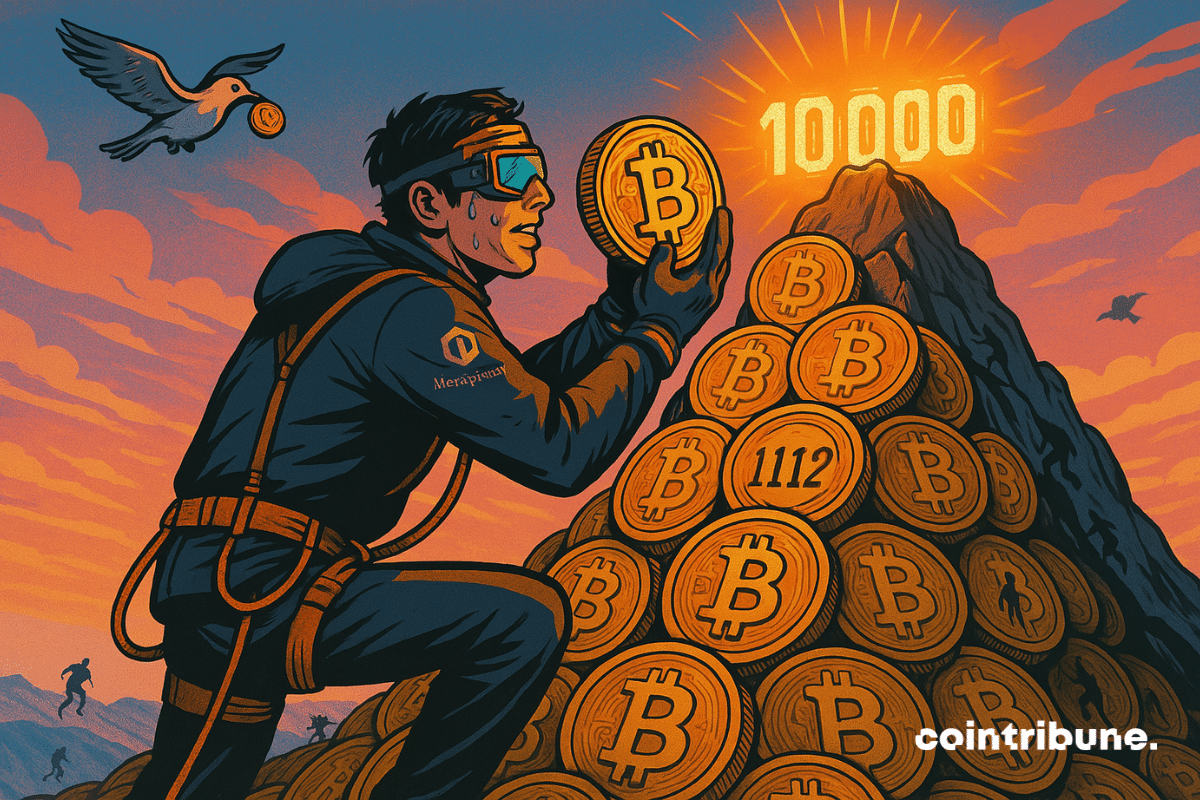
While Saylor rallies the crowds, a Japanese outsider nibbles on 10,000 bitcoins... through zero-interest bonds. Metaplanet, or how to charm Tokyo with encrypted promises.

The crypto market attracts $1.9 billion in a week. Should we ride the wave or be cautious? Discover the key figures in this article!
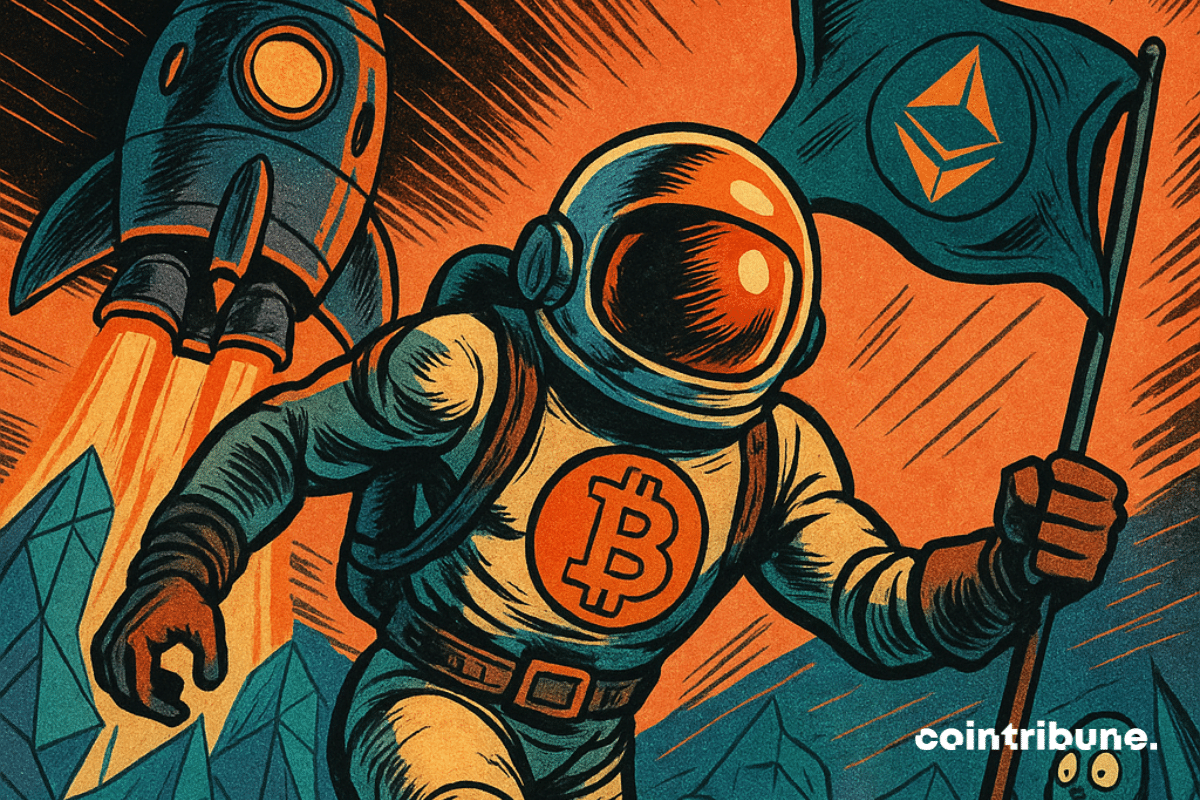
Bitcoin, long confined to its role as a store of value, is beginning to explore new territories. With the rise of blockchains like Sui, a new era is dawning: one where BTC is no longer just a simple asset to hold, but becomes a true centerpiece of decentralized finance. A transformation as subtle as it is revolutionary, driven by the rise of what is already being called BTCfi.