
Fri 25 Jul 2025 ▪
6 min read
▪
by
It is no longer if, but when. Quantum computing will soon be a reality, and it's time to take stock. How many bitcoins are currently at risk?
It is no longer if, but when. Quantum computing will soon be a reality, and it's time to take stock. How many bitcoins are currently at risk?
A whale is betting 23 million dollars on a bitcoin at $200,000 by the end of 2025. Could this ambitious strategy signal a new bull run for BTC? Discover the keys to this bet and what it reveals about the future of the market.
Billionaire Mike Novogratz predicts Ethereum will outperform Bitcoin in the next few months. He also sees Bitcoin reaching $150,000 this year, fueled by growing institutional interest and strong ETF inflows.

New record for BlackRock: its Ethereum ETF climbs to $10 billion in 251 days. All the details in this article!

MicroStrategy continues to surprise. While most companies adjust their cash reserves with cautious investments, the firm led by Michael Saylor continues to forge a radically different path. Staying true to its "Bitcoin first" strategy, MicroStrategy has just announced a $2 billion fundraising, primarily intended for the purchase of new BTC. This is not just a financial operation: it is a manifesto. Behind this decision lies an ideological confrontation between two visions of the monetary world. And MicroStrategy, once again, chooses its side unambiguously.
Faced with the persistent uncertainties of traditional markets, cryptocurrencies are establishing themselves as a strategic refuge. In 2025, flows into these assets reached an unprecedented threshold: 60 billion dollars injected since January, according to JPMorgan. This astonishing 50% increase since May confirms an unprecedented institutional dynamic. Such a turning point redefines the balance of capital and illustrates the increasing normalization of cryptocurrencies in the financial universe.
For several sessions, the bitcoin market has been showing signs of increasing tension. An unusual accumulation of liquidity above the price and a rapid increase in its dominance are reigniting speculation. In the shadows of the charts, short sellers and eager buyers are engaged in a tactical duel. For several technical analysts, the stage is set: a massive short squeeze now seems inevitable.
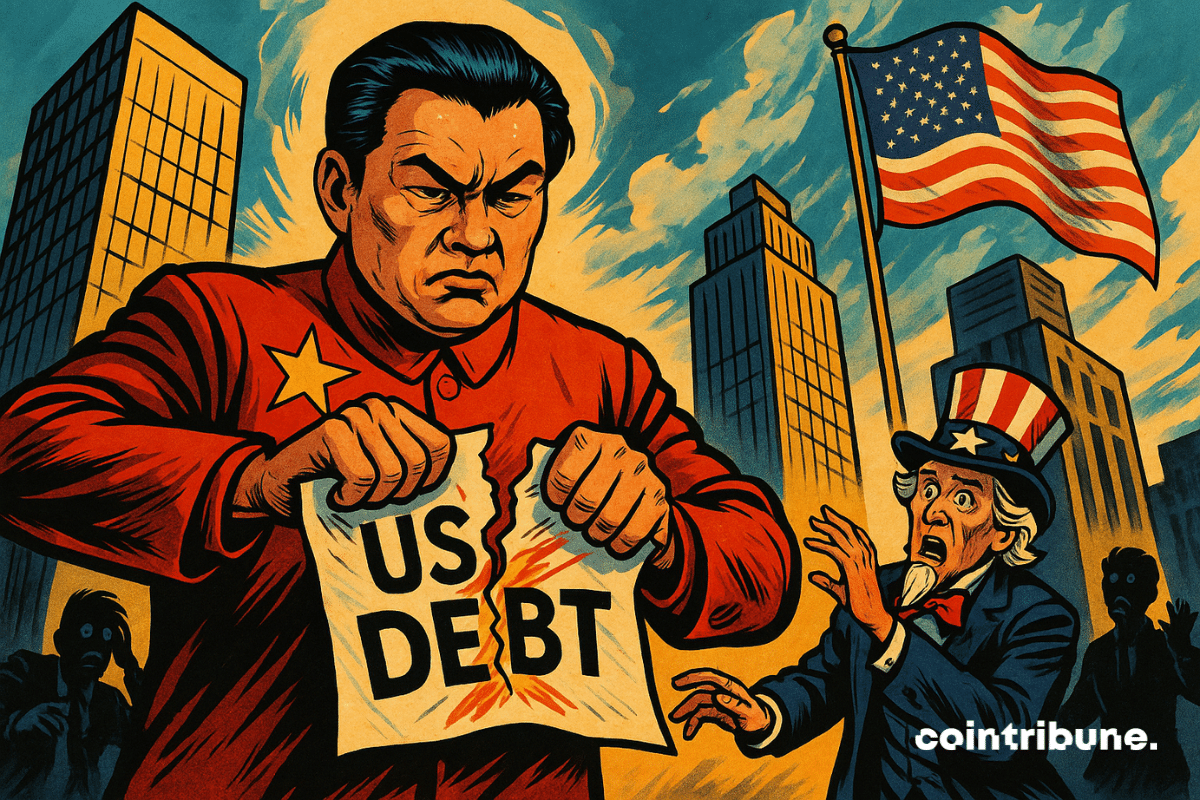
China remains indifferent to threats and is getting rid of American debt. Bitcoin is lurking.

JPMorgan Chase is reportedly exploring a new lending product that would allow clients to borrow against their crypto holdings. According to sources cited by the Financial Times, the U.S. banking giant is in internal discussions to launch crypto-collateralized loans, potentially as early as next year. The plan would let clients use cryptocurrencies such as Bitcoin, Ethereum, or even crypto-focused ETFs as collateral in exchange for cash or credit. While still in its exploratory phase, the product would be JPMorgan’s clearest signal yet that it is taking crypto seriously.
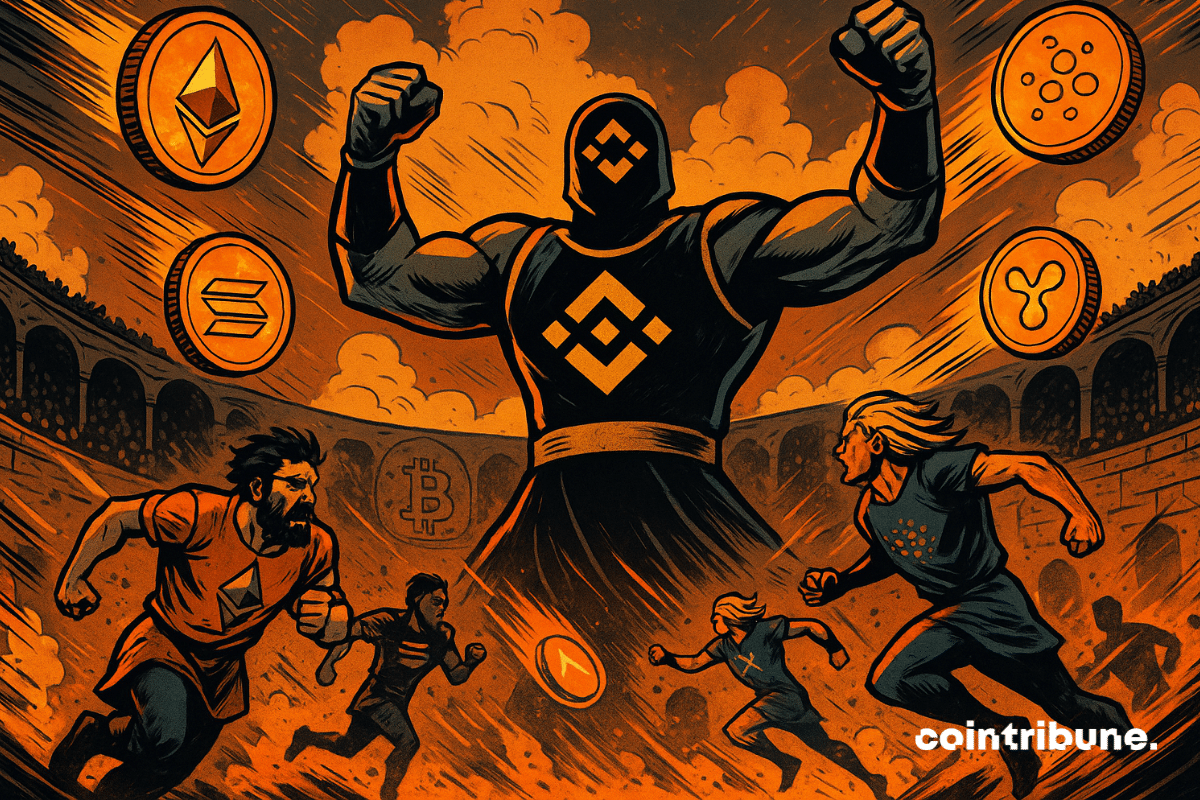
Bitcoin’s rally is starting to cool, and eyes are now turning to altcoins. With volumes soaring, Binance is right in the thick of it.

Cryptocurrency adoption has witnessed remarkable growth in 2025, with individuals and even large institutions pivoting towards digital asset ownership. Interestingly, data shows that the recent wave of crypto embrace is largely driven by digital payment and artificial intelligence.

Mara Holdings, one of the largest publicly traded Bitcoin mining firms, has released a bold financing plan: the company aims to raise up to $1 billion through a debt sale to support its Bitcoin acquisition strategy and operational needs.
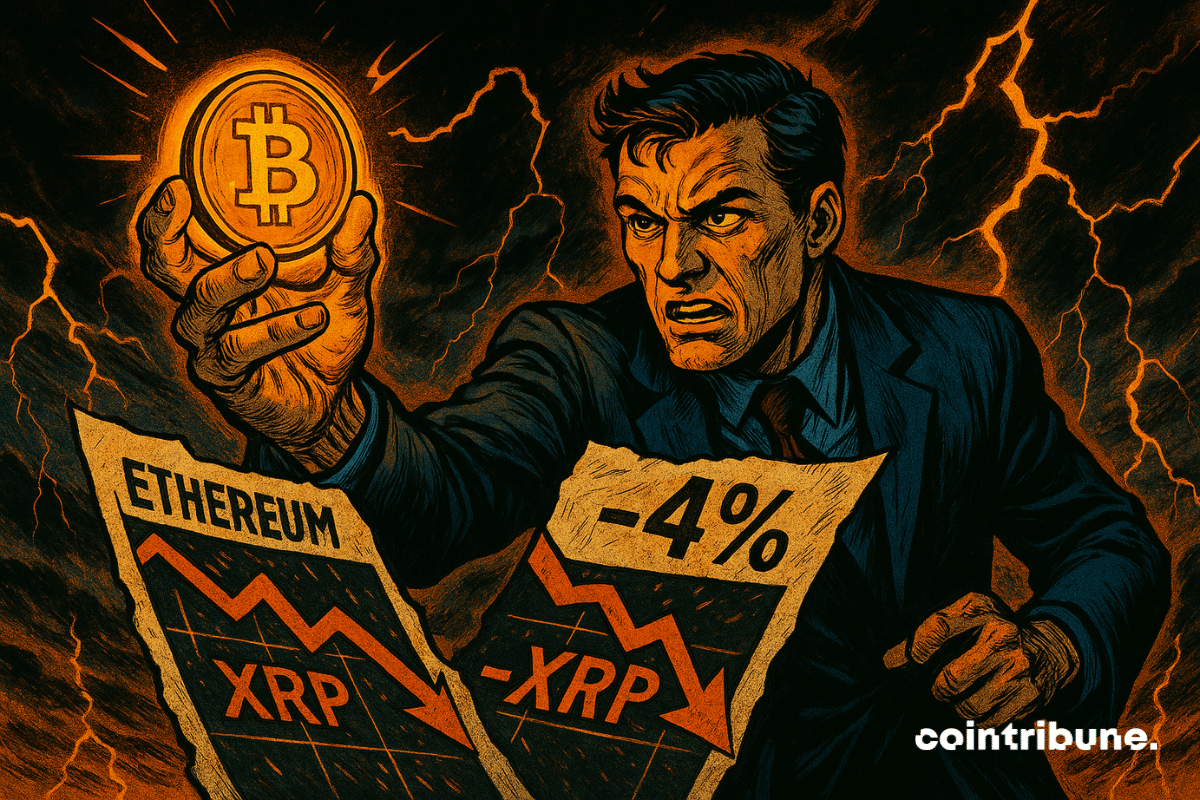
Altcoins suddenly plunge after a frenzied rally. Ethereum and XRP drop, but Bitcoin remains calm. Temporary correction or the beginning of a real reversal in crypto? Suspense.

Andrew Keys, co-founder of Ethereum-focused investment firm The Ether Machine, has reignited the ETH vs BTC debate. During his media rounds, Keys emphasized that Ethereum has significantly outperformed Bitcoin in returns over the last decade.

The SEC seems finally ready to take a decisive step. Several Bitcoin and Ethereum ETF issuers have just filed modifications to include in-kind redemptions. A key step for these products, which could thus gain in attractiveness and tax efficiency. This long-awaited regulatory breakthrough would radically transform the attractiveness of these financial products.

The current global chaos is not a product of chance. According to a theory developed by historians Neil Howe and William Strauss, we are entering a destructive cycle that reshapes societies every 80 to 100 years. This major transformation could disrupt the global economy, financial markets, and redefine the geopolitical order as we know it.
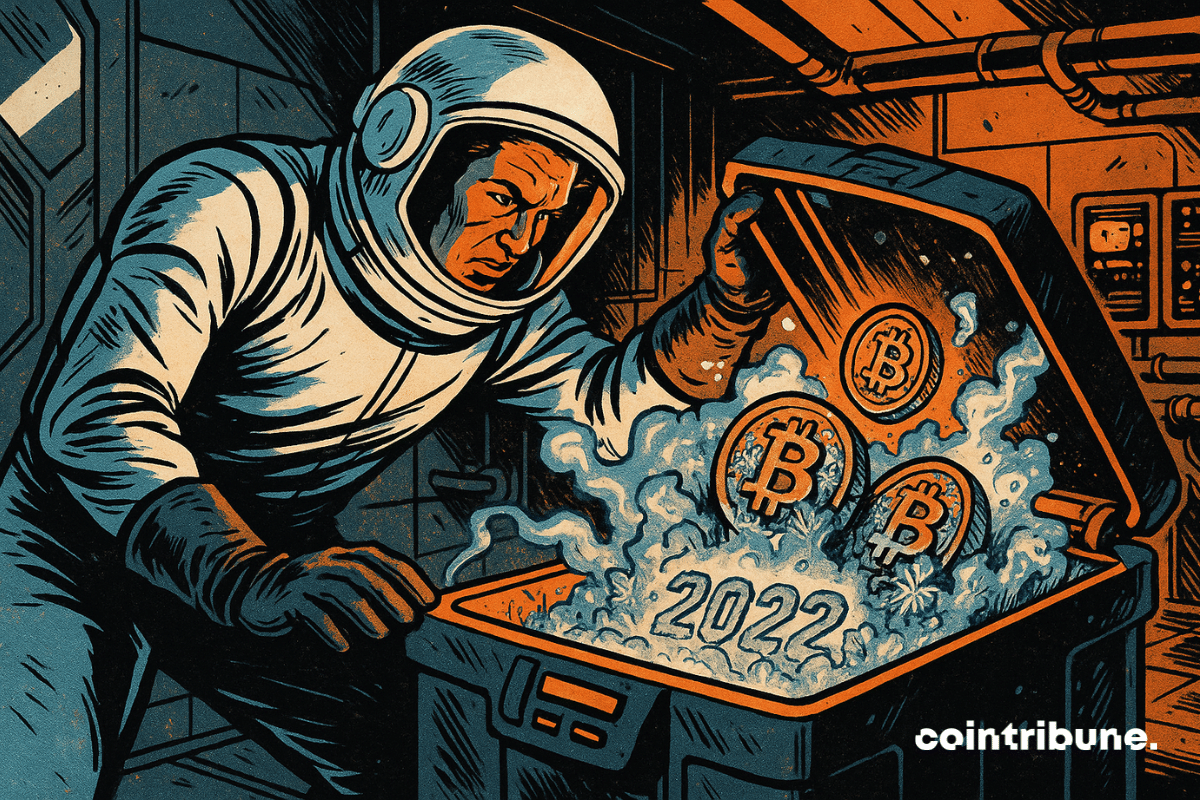
On July 22, 2025, after three years of inactivity, Elon Musk's firm transferred 1,308 BTC, amounting to 153 million dollars, to a newly activated address. An unexpected transaction, without official explanation, triggering questions and speculations. Behind this seemingly technical gesture lie much larger stakes, at the intersection of financial tensions, industrial strategy, and American contractual politics.
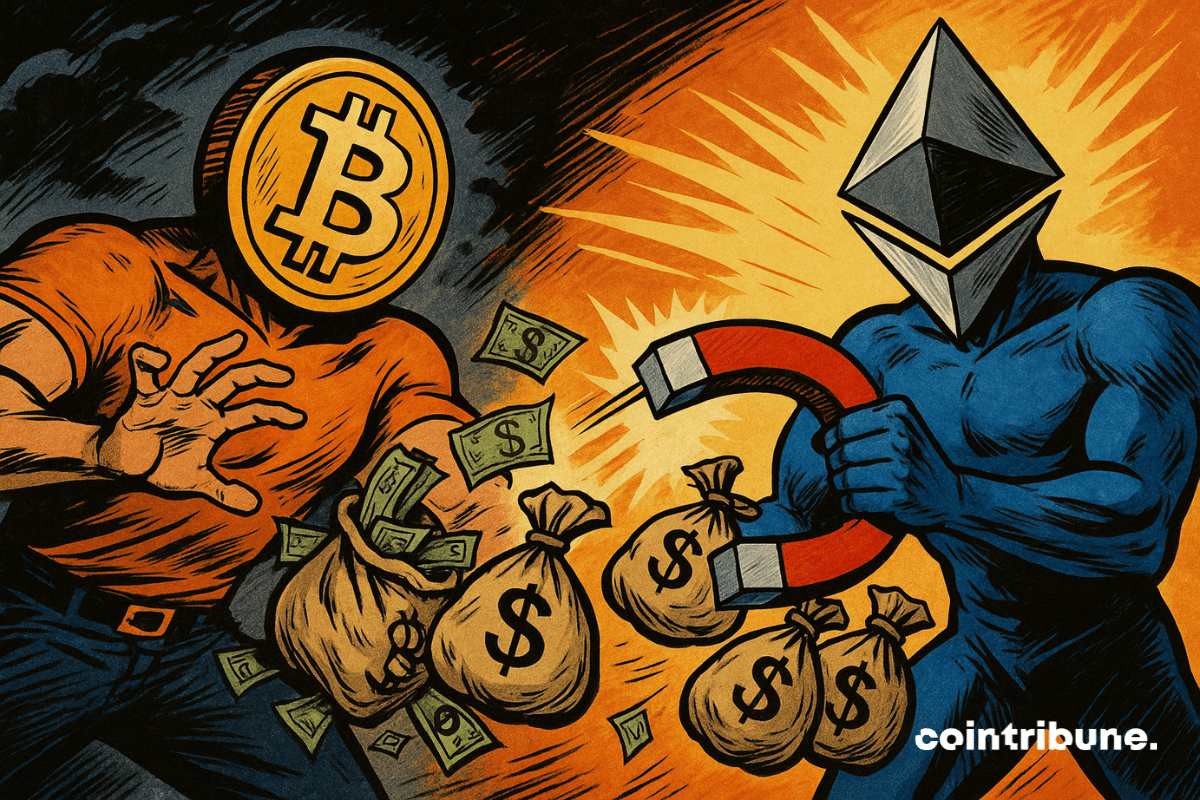
Bitcoin ETFs, which had previously been driven by a continuous bullish momentum, have seen $131 million evaporate. In the same breath, Ethereum ETFs welcomed a record influx of nearly $297 million. Behind these raw figures, a deeper movement is taking shape. Portfolio rebalancing, attraction to the yield from staking, or the evolution of the institutional narrative?
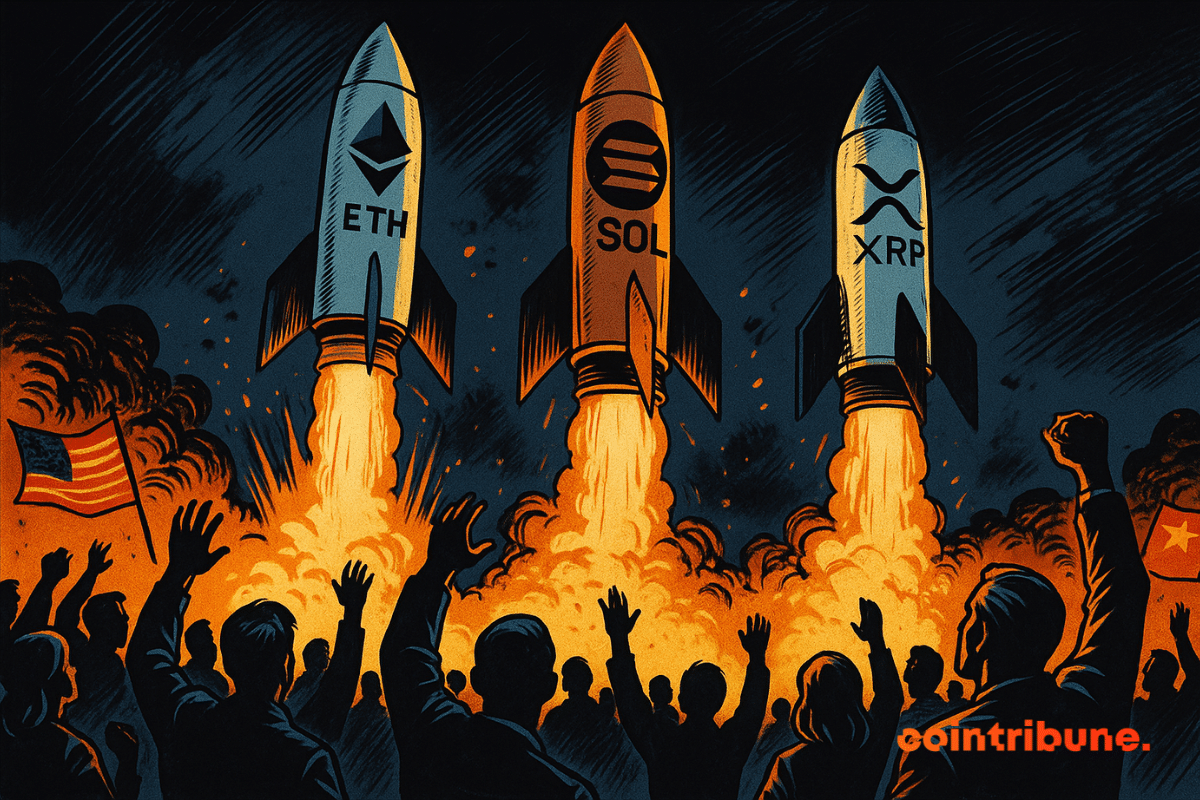
While Bitcoin slumbers, the whales stir and Ethereum prances. The altcoin dance begins, with institutions as conductors... How long will the music last?
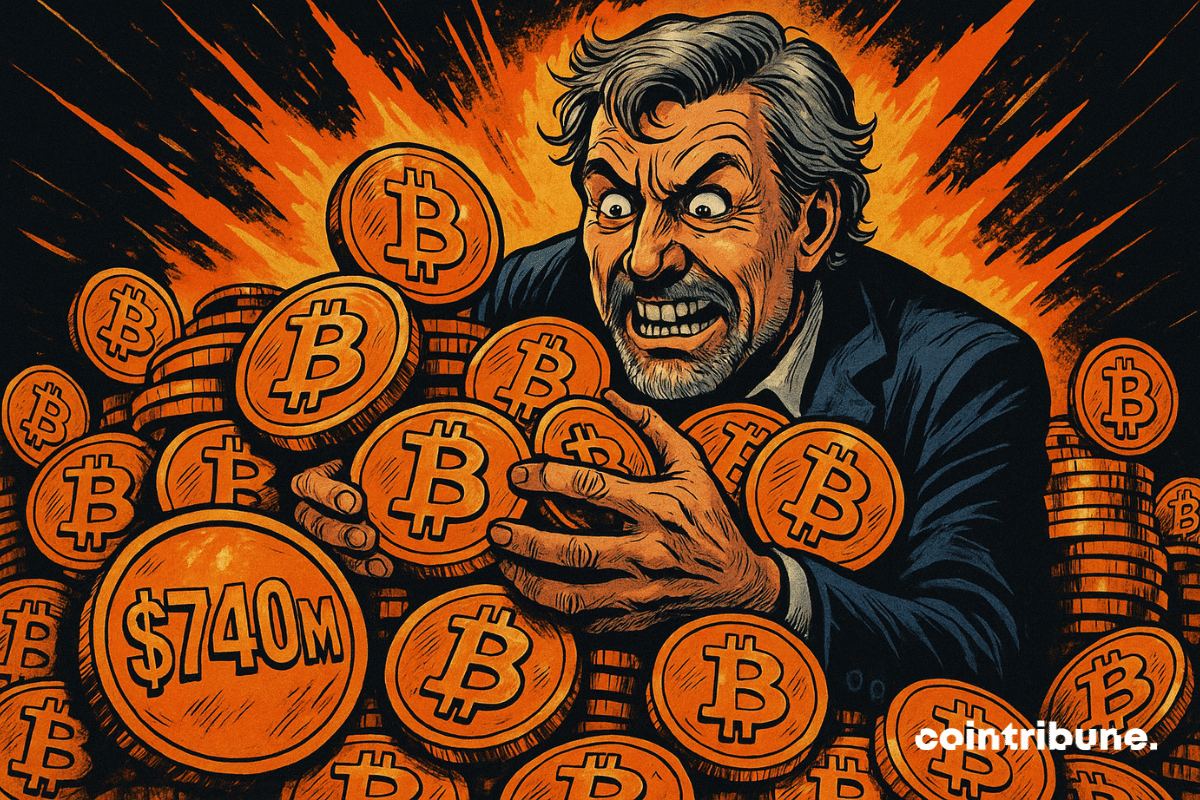
Michael Saylor has never been one to hold back his words or be tight with his wallet. When he promises Bitcoin, he buys. And quickly. As soon as the preliminary tweet is published, the orchestra kicks off: 6,220 BTC absorbed in the midst of bullish euphoria, with surgical calm. Behind the scenes, this is not just a purchase — it’s a signal to the market, a new demonstration of strength that tells another story: the Strategy model is running at full throttle.
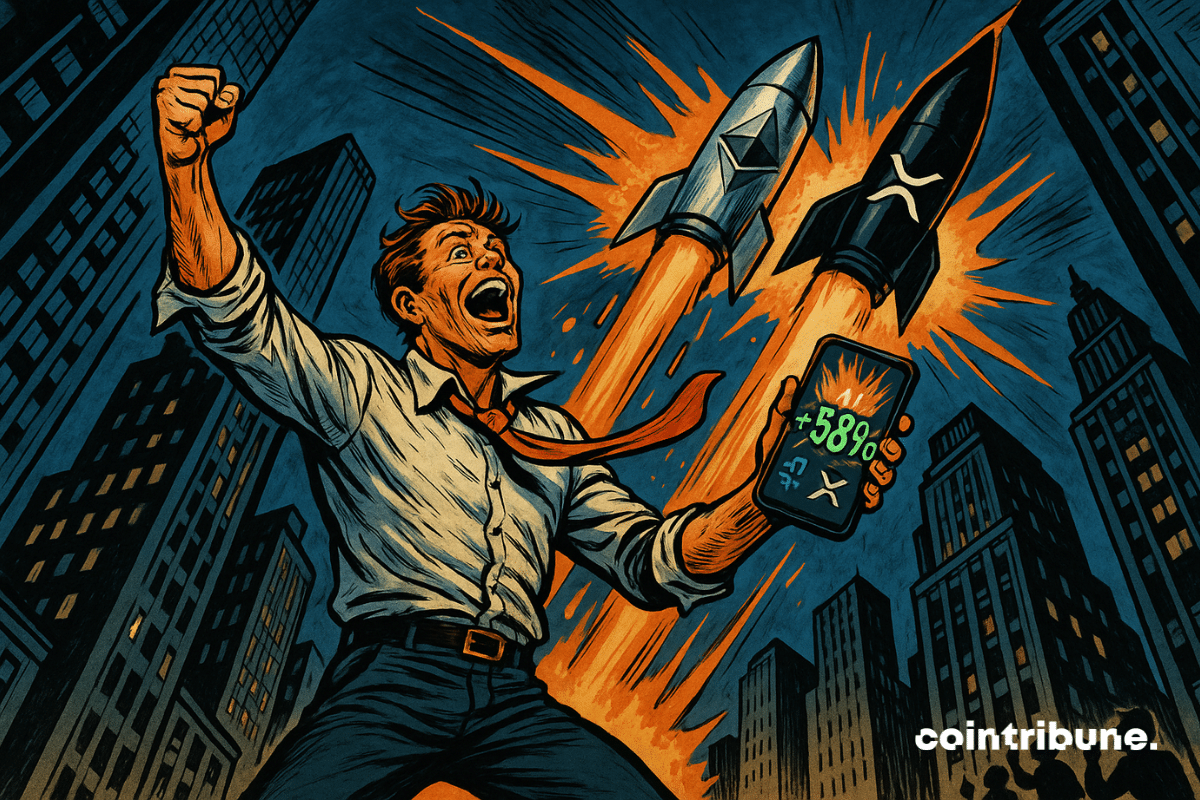
The crypto hierarchy is shaking. After months of uncontested supremacy of Bitcoin, a new dynamic is taking hold: altcoins are regaining ground. Ethereum is surging, XRP is hitting a record, and cryptocurrencies like Chainlink, Cardano, and Avalanche are accelerating. Since the beginning of July, the curves are reversing, and the flows are shifting. The signals are aligning. Should we see this as the long-awaited return of an altcoin season, that phase where the market reorganizes around its challengers? A trend is emerging, and it is not going unnoticed.
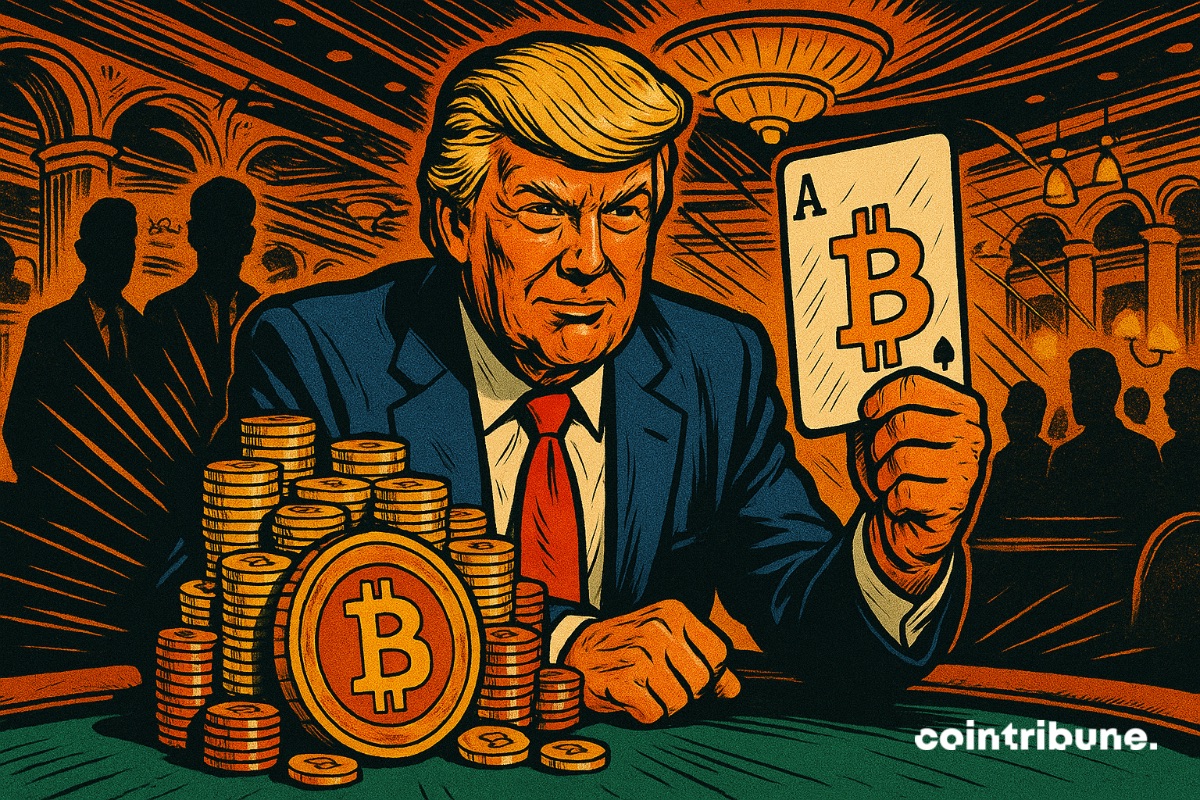
Trump Media surprises with an unprecedented bet: converting 2 billion dollars of its cash reserves into bitcoin. A risky or visionary strategy? Discover how the company is preparing for its Web3 revolution and what this means for the future of cryptocurrencies.
Spot Bitcoin ETFs recorded 12 consecutive days of net inflows, totaling $6.6 billion in new capital. BlackRock alone contributed nearly $500 million in a single day during this stretch. July 10 and 11 marked back-to-back billion-dollar inflow days—an institutional milestone.
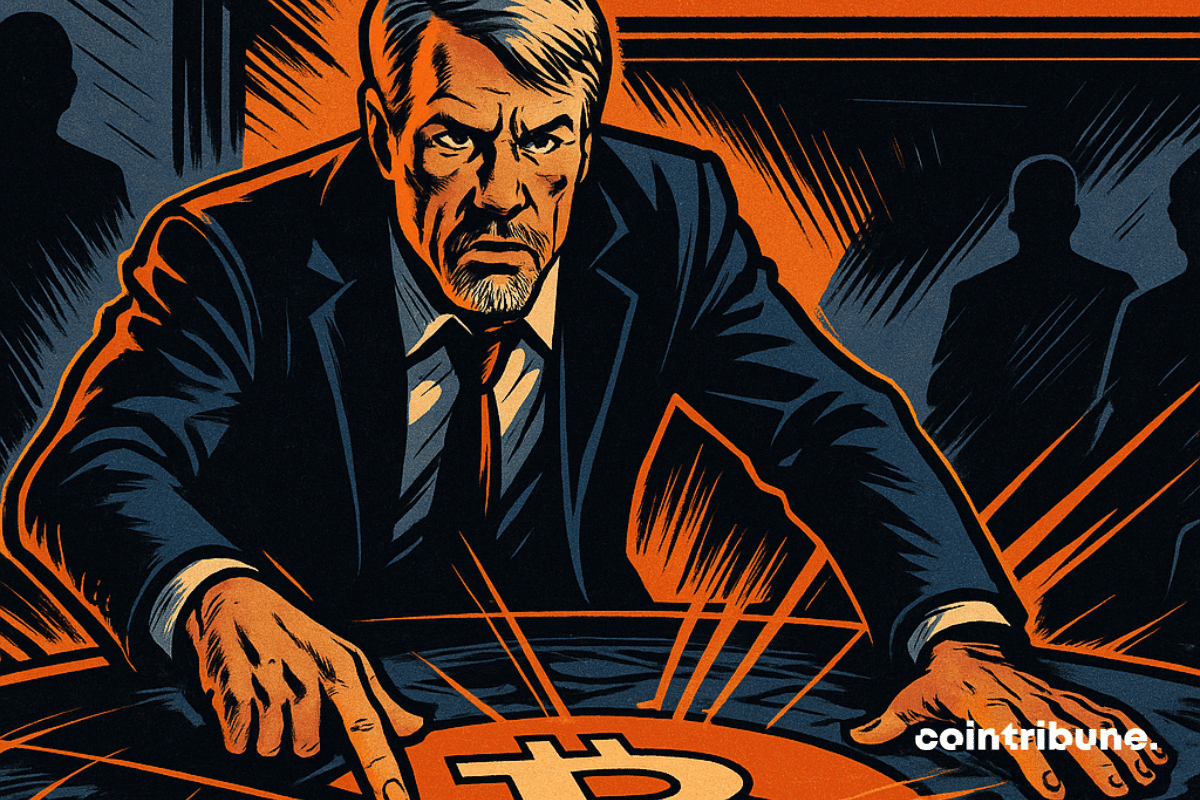
The co-founder of Strategy announced a new acquisition of BTC, further strengthening his company's colossal reserves, now valued at over $71 billion. This unprecedented cash management model, based on a methodical accumulation of bitcoin, is as intriguing as it is fascinating. How far is Saylor willing to go?

Bitcoin is wavering, altcoins are surging: a key index crosses 50 and the hype explodes. Should we dive in or flee? Discover why this altseason could mark a strategic turning point for the crypto market.

Bitcoin’s all-time high (ATH) trended on crypto social media this week, with nearly half of all mentions discussing the recent milestone achieved by the OG coin. Even as the coin posted a strong climb during this period, experts believe such a level of dominance may lead to a short-term top and usually precedes a brief retracement.

A new survey by Bitcoin mining platform GoMining shows a surprisingly large knowledge gap among crypto users, one that may be slowing mainstream adoption. Despite being valued at over a trillion dollars, Bitcoin is still a mystery for most of its users. The GoMining survey, conducted among over 2,600 respondents across North America and Europe, found that more than 70% of Bitcoin users don’t feel confident explaining how it works.

Since El Salvador raised the orange flag in 2021 by adopting Bitcoin as legal tender, the country has not ceased to make headlines. Between the messianic vision of President Nayib Bukele and international fascination, the narrative seemed clear: every day, El Salvador bought one BTC. However, the curtain has just fallen. An official report from the IMF, accompanied by a letter signed by the highest financial officials in the country, states flatly: no Bitcoin purchases since February 2025.
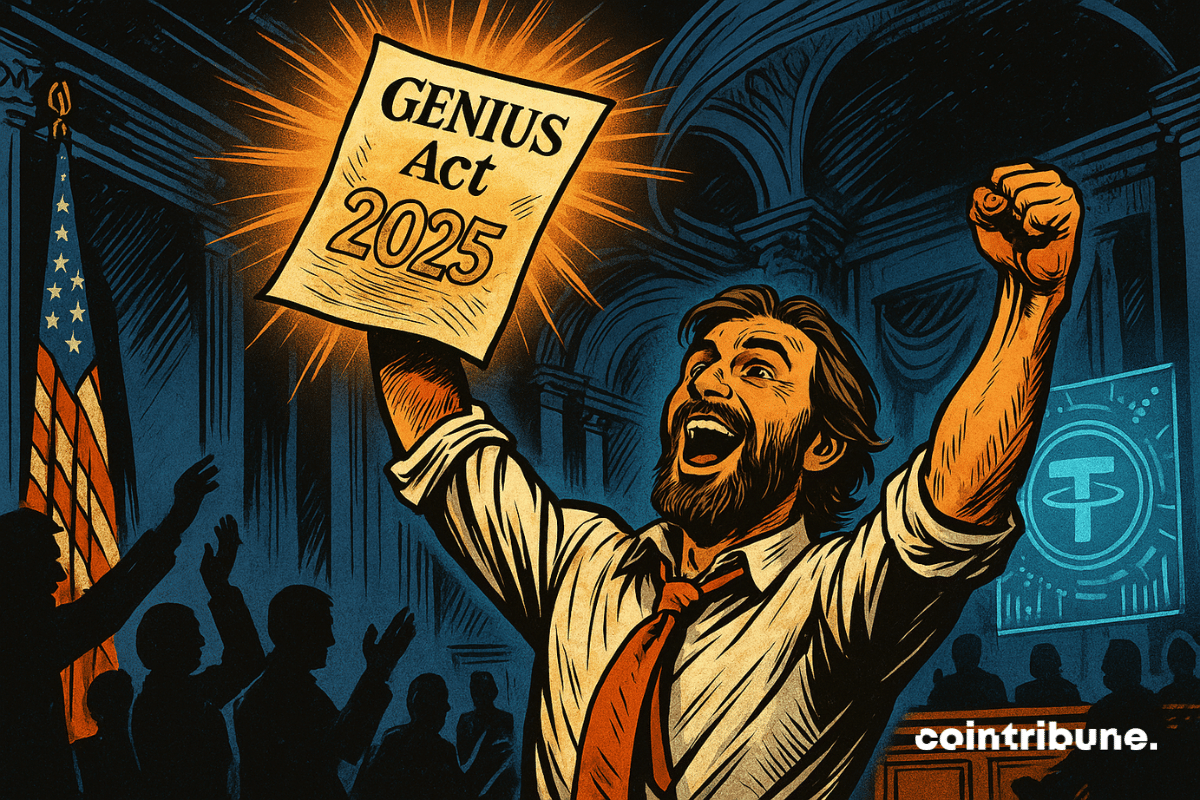
Tether, once allergic to regulation, now bows to Washington. Opportunism? Late awakening? Crypto is opening a highway... but watch out for the toll!
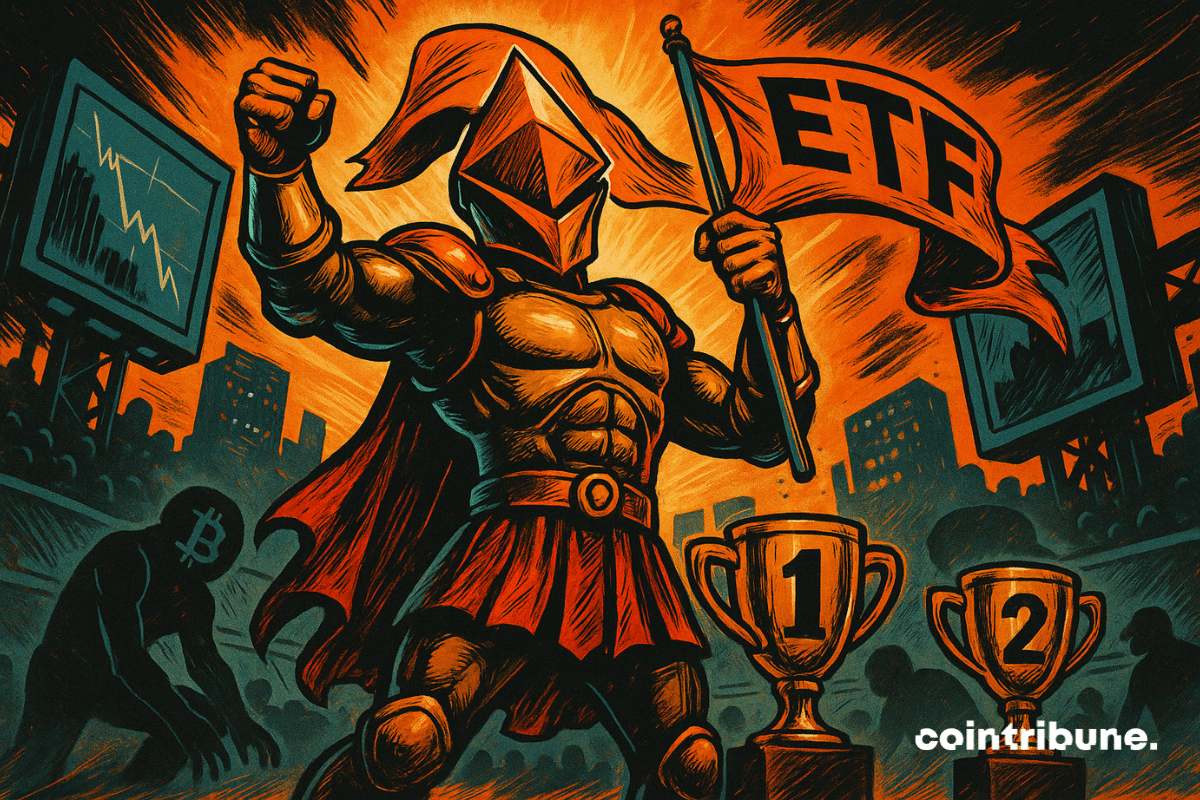
For the second consecutive day, Ethereum-backed ETFs have attracted more capital than those linked to Bitcoin, with $403 million in inflows compared to $363 million. A strong signal that may mark a turning point in the preferences of institutional investors. Are we witnessing a shift in the established order of the crypto market?