
Wed 07 May 2025 ▪
6 min read
▪
by
▪
Partnership
XRP consolidates after a significant increase. Find our complete analysis and current technical outlook.
XRP consolidates after a significant increase. Find our complete analysis and current technical outlook.
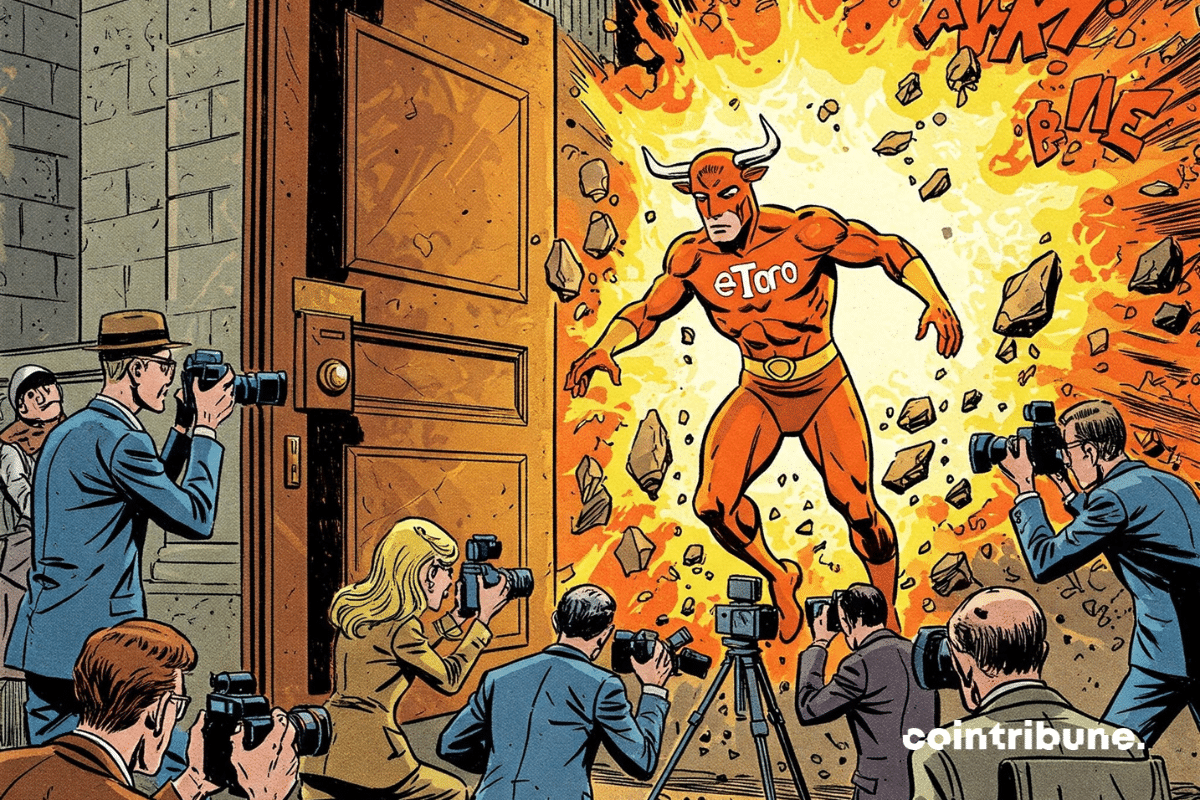
eToro will raise $500 million and targets a $4 billion valuation. We tell you everything about this IPO that is shaking up the crypto sector.

Bitcoin takes a pause after a bullish surge: find our comprehensive analysis and the current technical outlook for BTC.

2025 marks a turning point for Real-World Assets (RWA) in decentralized finance. Long regarded as the missing link between the real economy and Web3, RWAs are finally gaining momentum thanks to blockchain infrastructures designed for the concrete use cases of trade financing. Among the pioneers of this convergence are Credefi and XDC Network, who are announcing a strategic alliance to democratize access to tokenized credit for European SMEs, with real guarantees, stable returns, and end-to-end regulatory compliance.
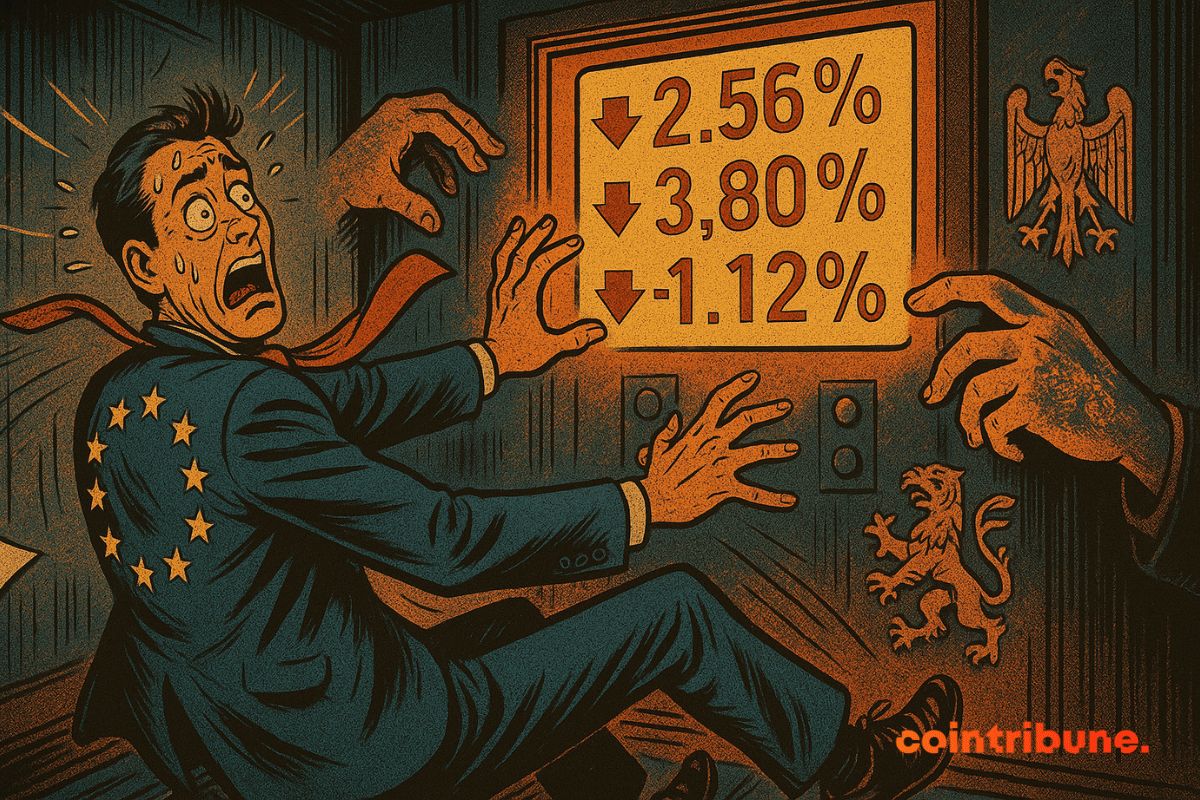
European markets began the week without a clear direction, caught between two major uncertainties: the upcoming decisions of central banks and fears of a global trade tightening. On Monday, May 5, the main financial markets show clear caution, illustrated by slightly declining indices and low trading volumes. Indeed, investors are anxiously awaiting the next announcements from the Fed and the Bank of England, in an environment where every monetary or diplomatic signal can shift the trend.
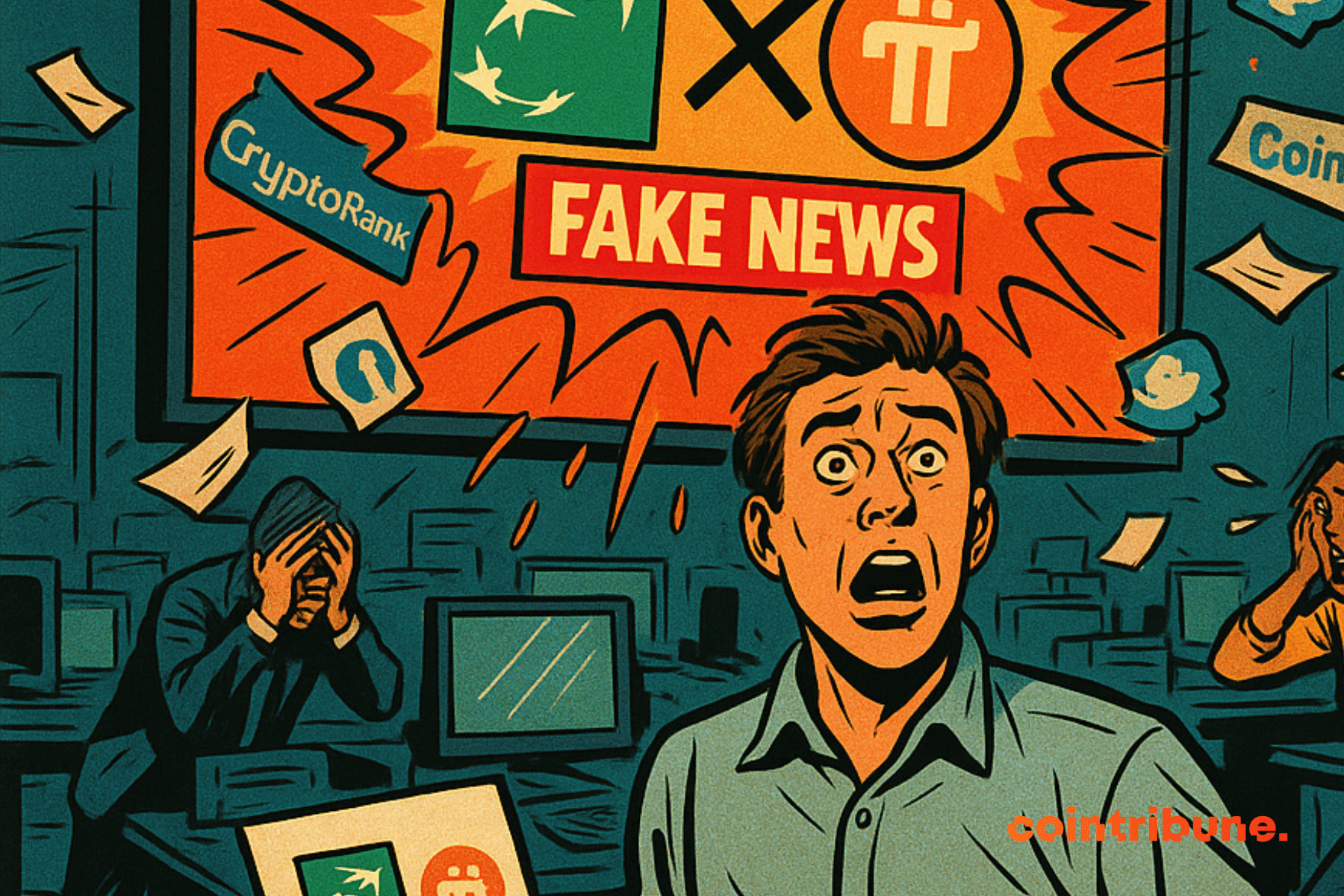
In an article published this morning on Cointribune, we reported information that BNP Paribas had partnered with Pi Network to facilitate SEPA transfers in cryptocurrency. After thorough checks, this information turned out to be false.
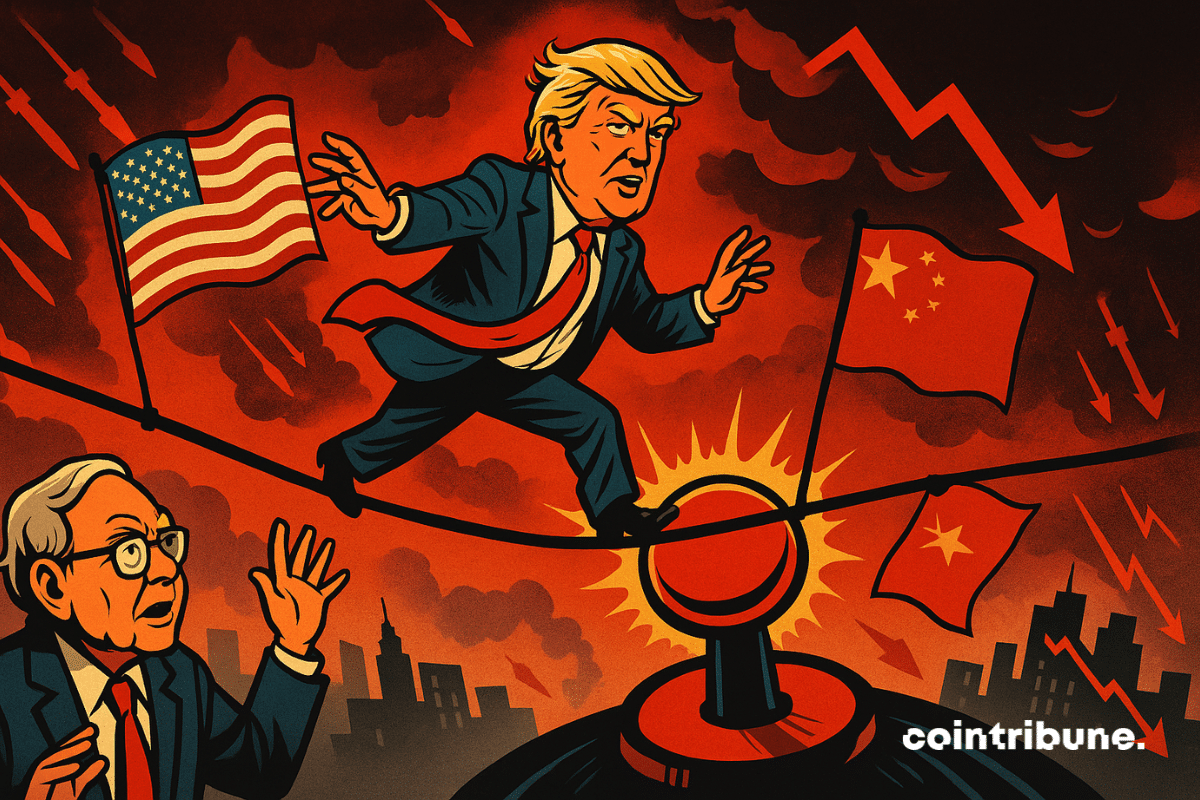
And if a trade war could lead to a nuclear confrontation? The hypothesis seems extreme, until it is put forward by Warren Buffett. Indeed, during the annual meeting of Berkshire Hathaway, the investor warned that Donald Trump's economic policies, perceived as aggressive, could fuel global tensions with uncontrollable consequences. An unusual stance, heavy with implications, in an international context already weakened by growing rivalries.
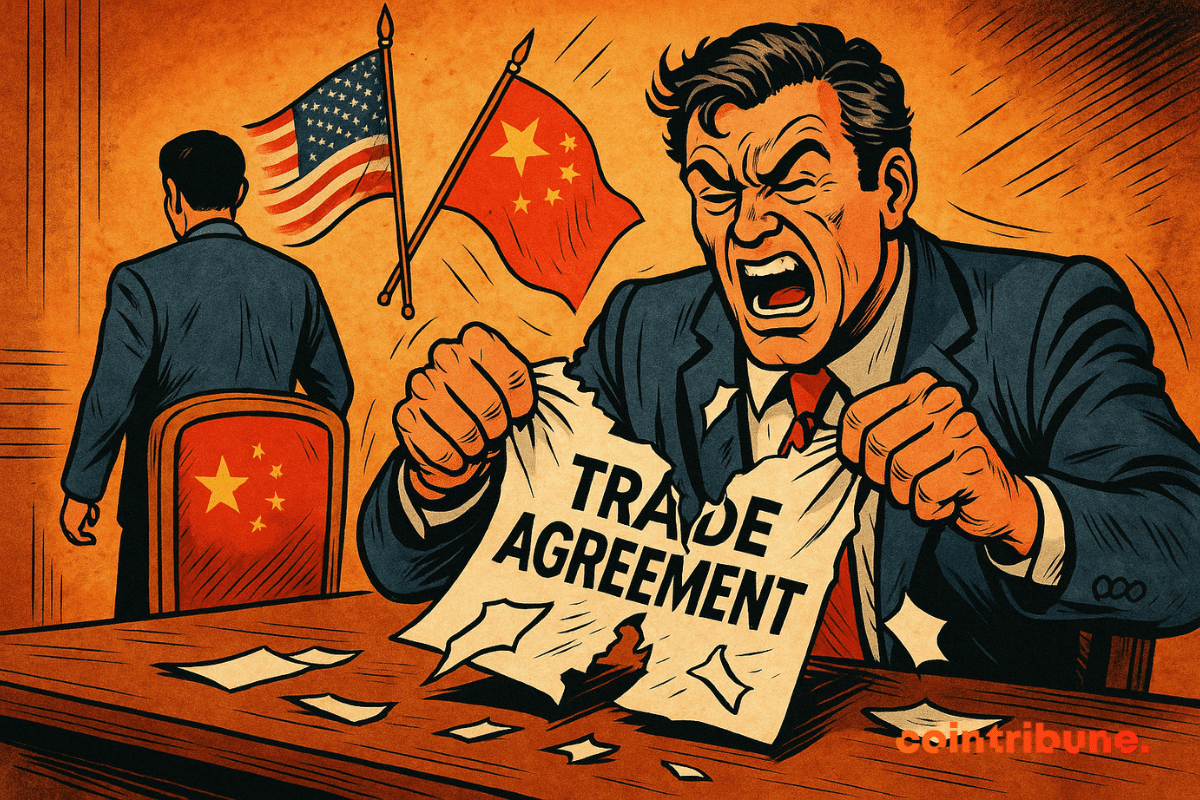
China hoped to restore its economic reputation through conciliatory gestures towards the United States. Alas, despite a partial reduction in tariffs, the outlook remains bleak. The Chinese economy wavers, trapped by its own inertia and a frigid global environment.
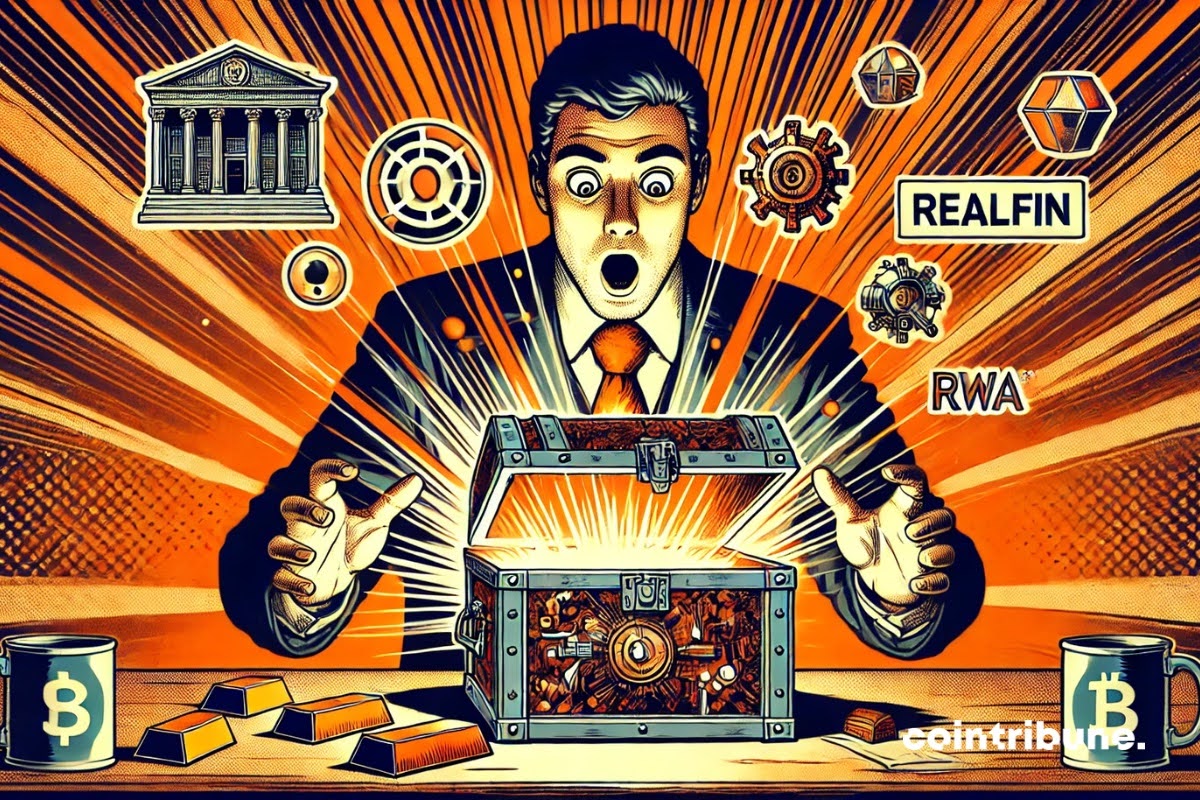
The recent scandal surrounding Mantra (OM) has shaken the crypto sphere, rekindling deep concerns about governance and transparency in the realm of real-world assets (RWA). However, beyond the turmoil, some players like RealFin see in this crisis an opportunity: to demonstrate that another model is not only possible but necessary.
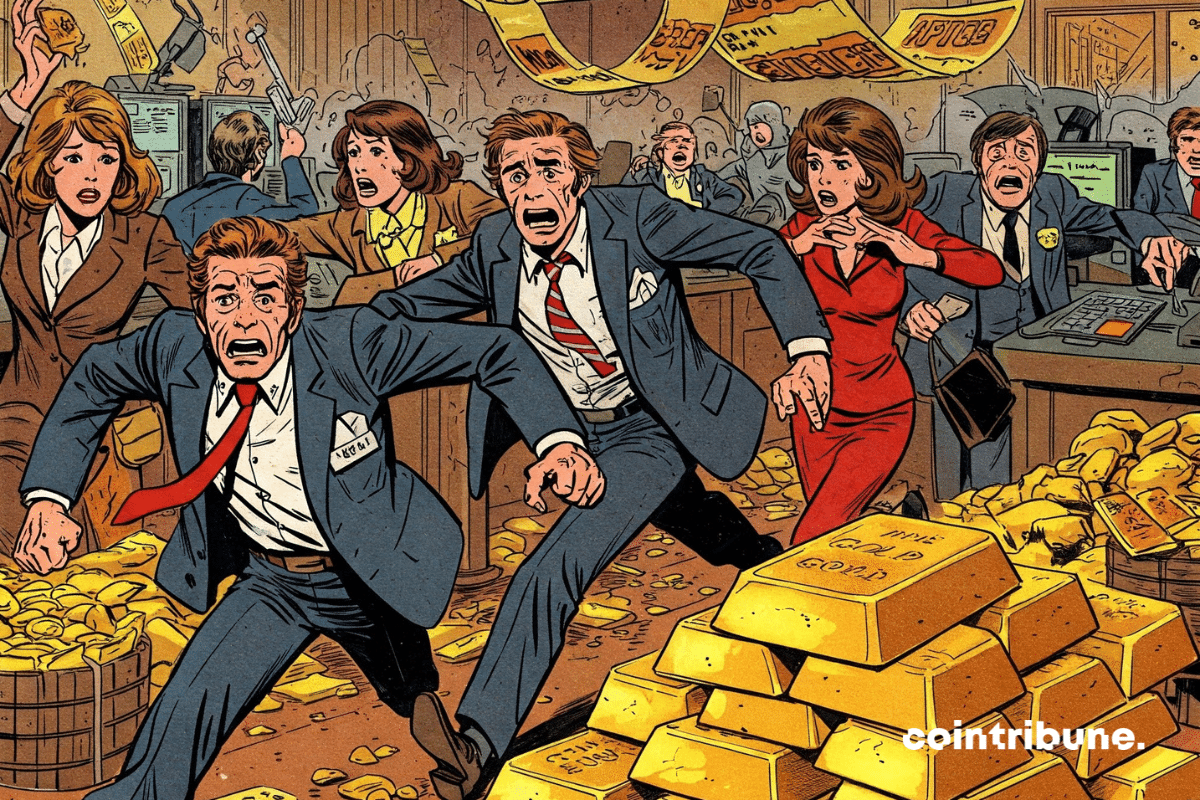
Market: after a loss of 2.4%, gold rebounds ahead of the FED meeting. A strategy to follow for investors? Analysis.
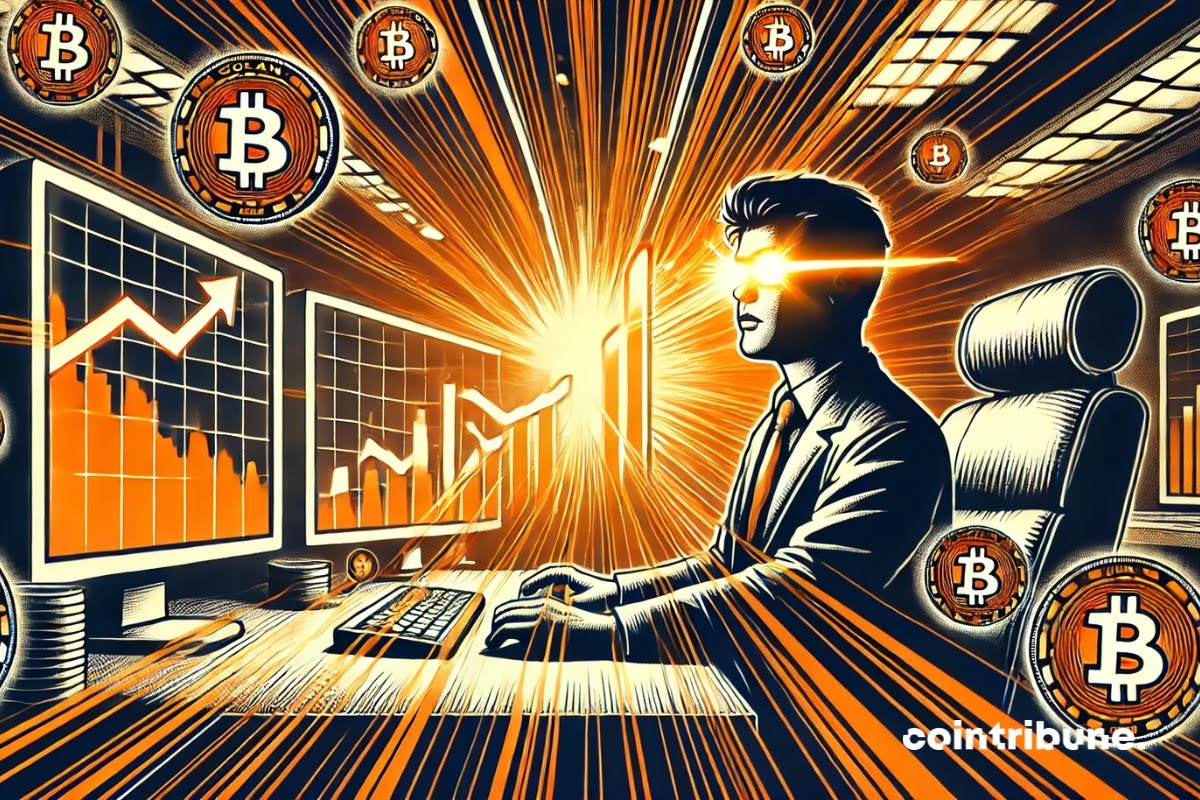
In the crypto market, opportunities do not announce themselves. They explode. At a time when every pump can generate exceptional gains in just a few hours, missing these movements often means missing the essence. However, detecting and capturing these impulses in real-time is a true challenge, even for a seasoned trader. Hence the interest in automating one's strategy with Runbot and the SuperTrend indicator.
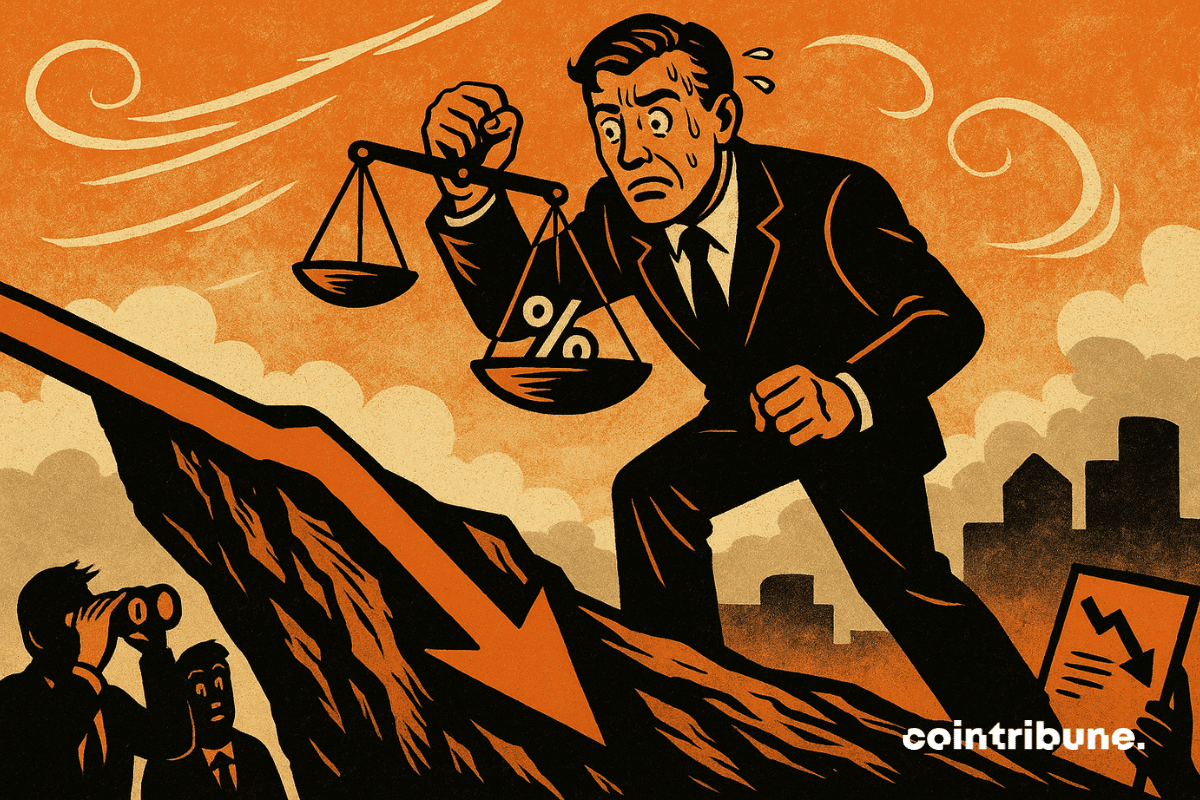
Powell slows down, Trump strikes, the markets are in a frenzy. Between surtaxes and threats of dismissal, monetary independence is riding a rodeo amid the discreet applause of 6-dollar eggs.
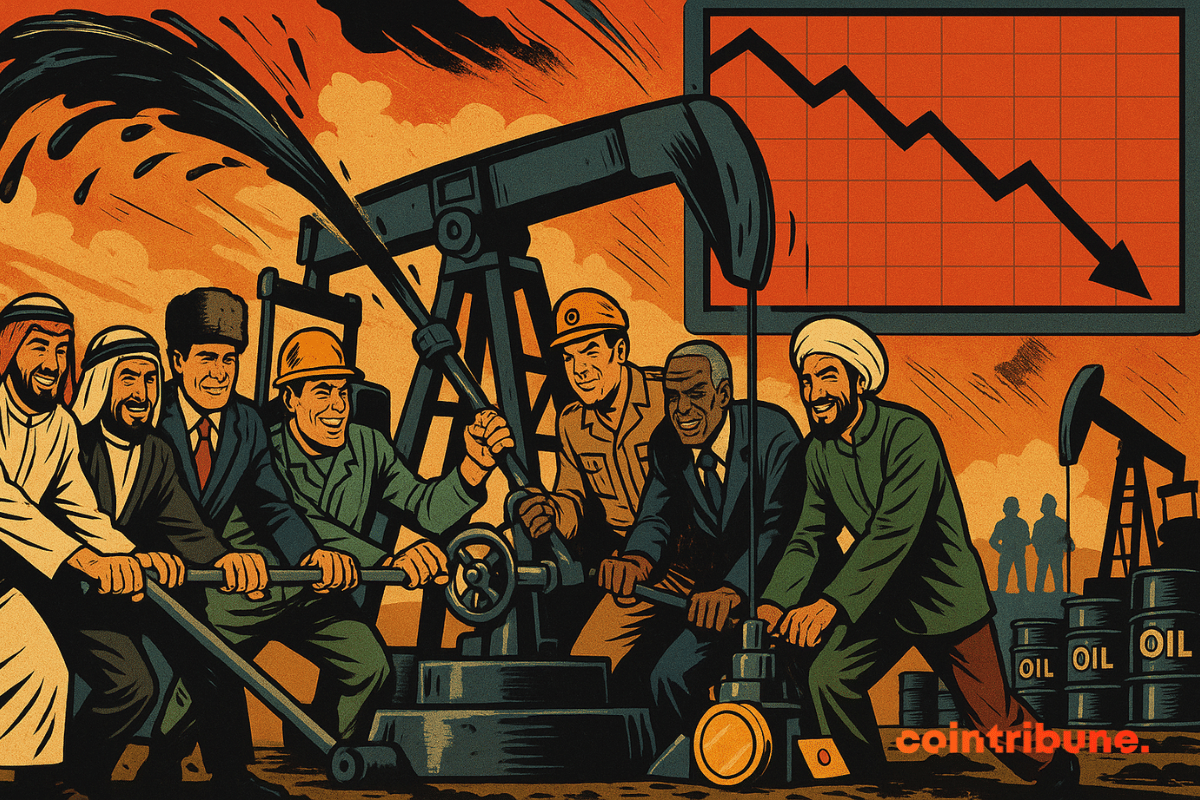
As oil prices plummet and demand remains sluggish, OPEC+ surprises by announcing a massive increase in its production starting in June. Eight members of the cartel break with recent caution and reignite uncertainty in an already tense market. Behind this turnaround lies a possible geopolitical and economic turning point, between a strategy of recovery and calculated risk-taking. This decision could reshape global energy balances.
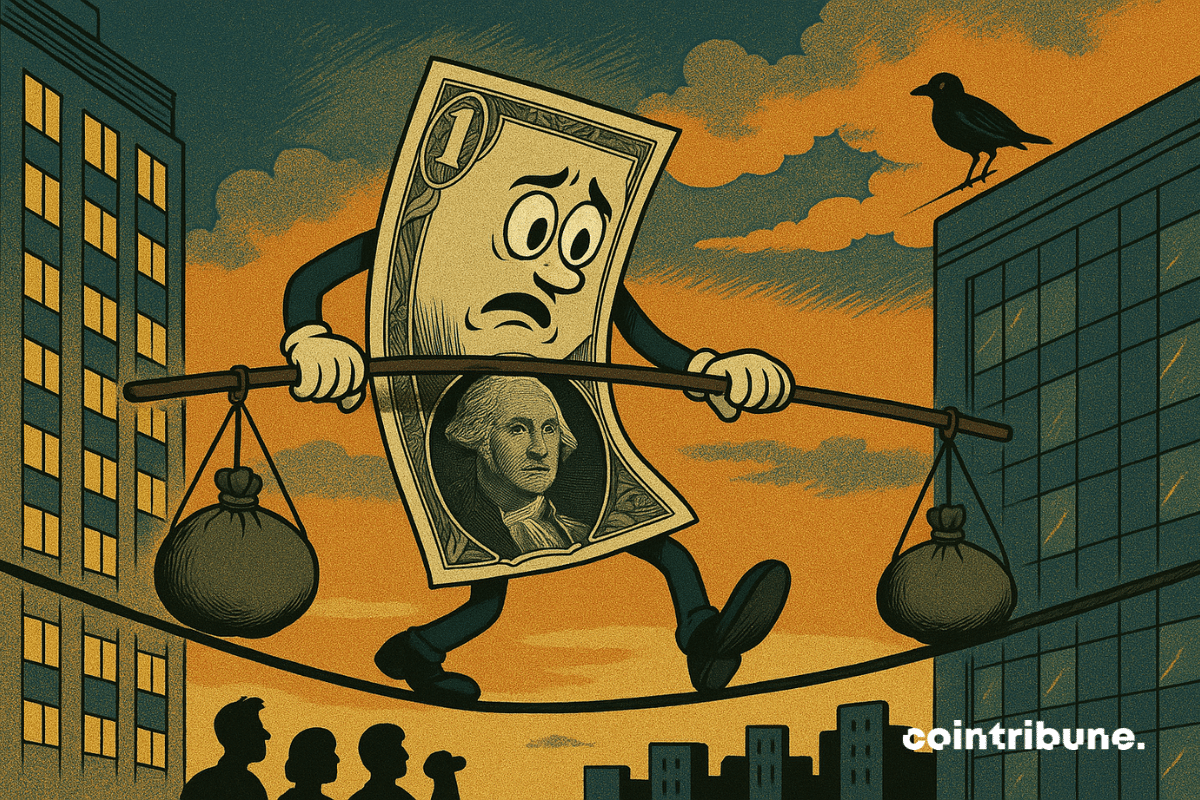
The dollar has slowed down, but global markets are holding their breath. After three weeks of rising, the greenback is losing ground, driven by a more robust employment report than expected. However, tensions persist: a resilient growth, stagnant rates, and ongoing tariff uncertainties. Cryptos are not exempt from this monetary ballet. For crypto traders, every fluctuation of the dollar redraws the risk map, shifts the boundary of volatility, and reshapes liquidity expectations.
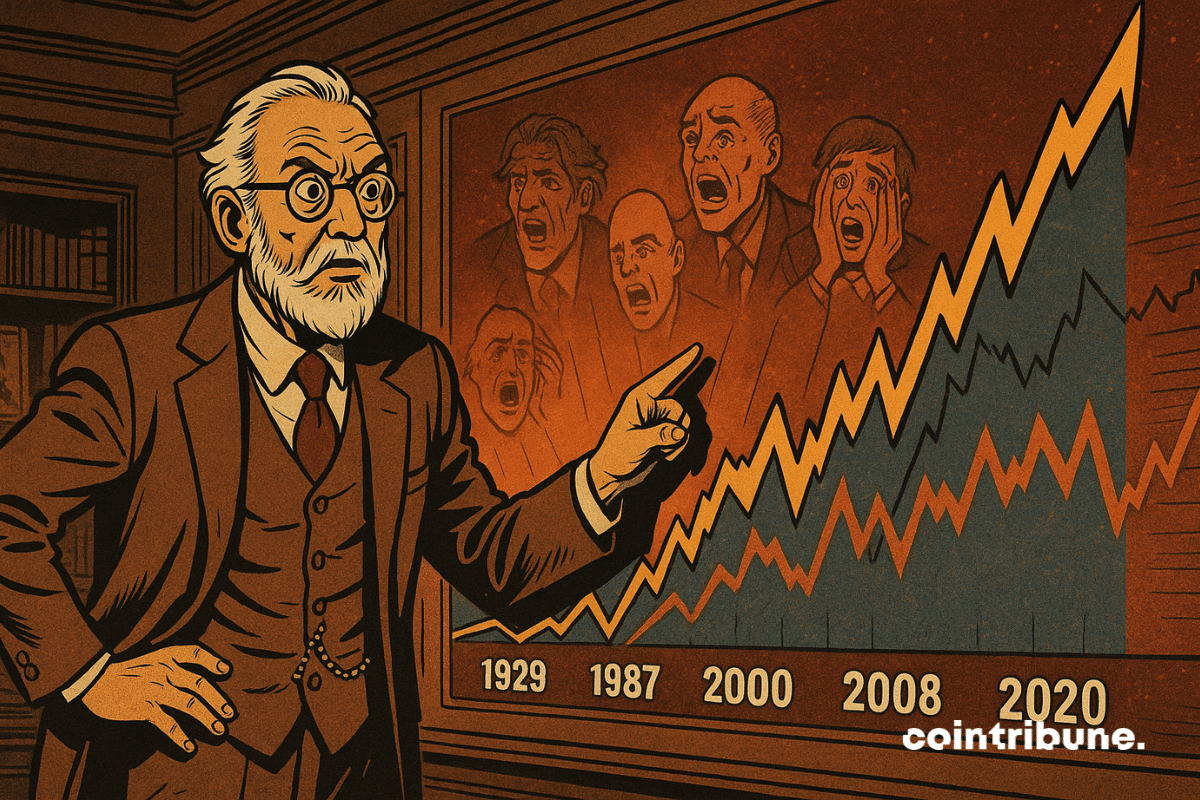
What if the markets were following a tempo that escapes economic logic? While the U.S. GDP is declining, the S&P 500 is rebounding after a sharp drop of nearly 20%. This unexpected turnaround, fueled by contradictory signals, intrigues even in trading rooms. Indeed, at BNP Paribas, strategists are wondering: does this sudden correction fit into a global tradition? To understand it, they delve back into a century of stock market crash history.
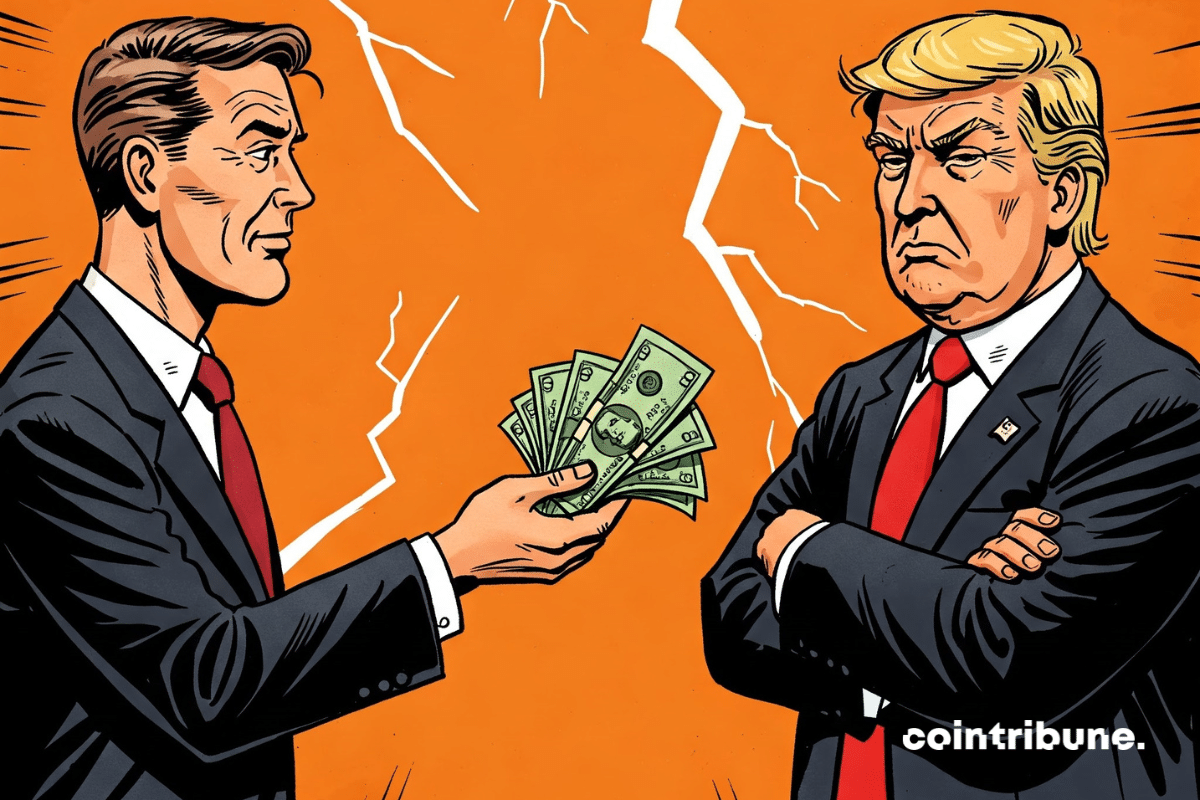
The EU is trying to avoid a trade war that would harm its economy. This article explains how.
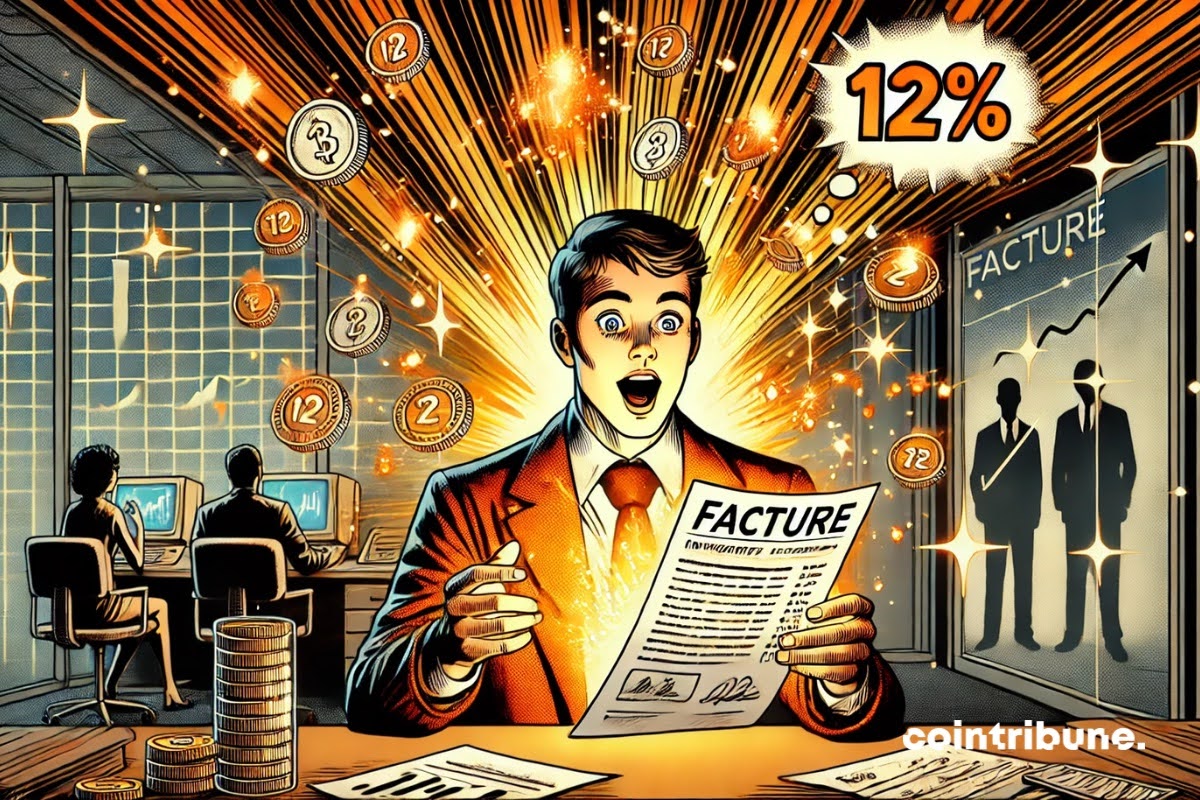
In a context where traditional finance struggles to meet the needs for returns and accessibility, RealT continues to shape the story of tokenization. After democratizing fractional real estate investment, the platform is launching a new, unprecedented product: the Factoring Token, a tokenized financial asset offering up to 12% annual returns. An innovation tailored for savvy crypto investors and enthusiasts of alternative finance.
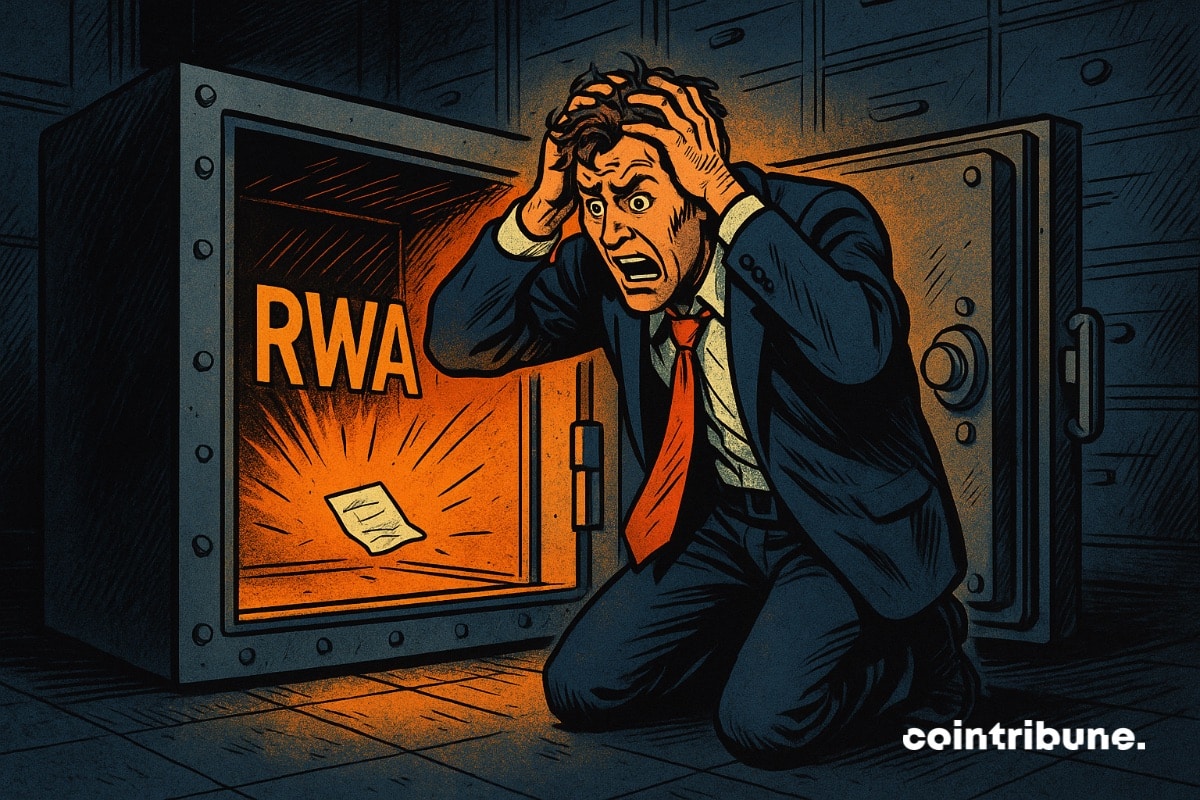
The crypto market for RWA (Real World Assets) would be a largely overvalued illusion according to Chris Yin, CEO of Plume. He questions the official figures and asserts that the current enthusiasm is based on false data, far from reflecting the reality on the ground or the actual interest of institutions.
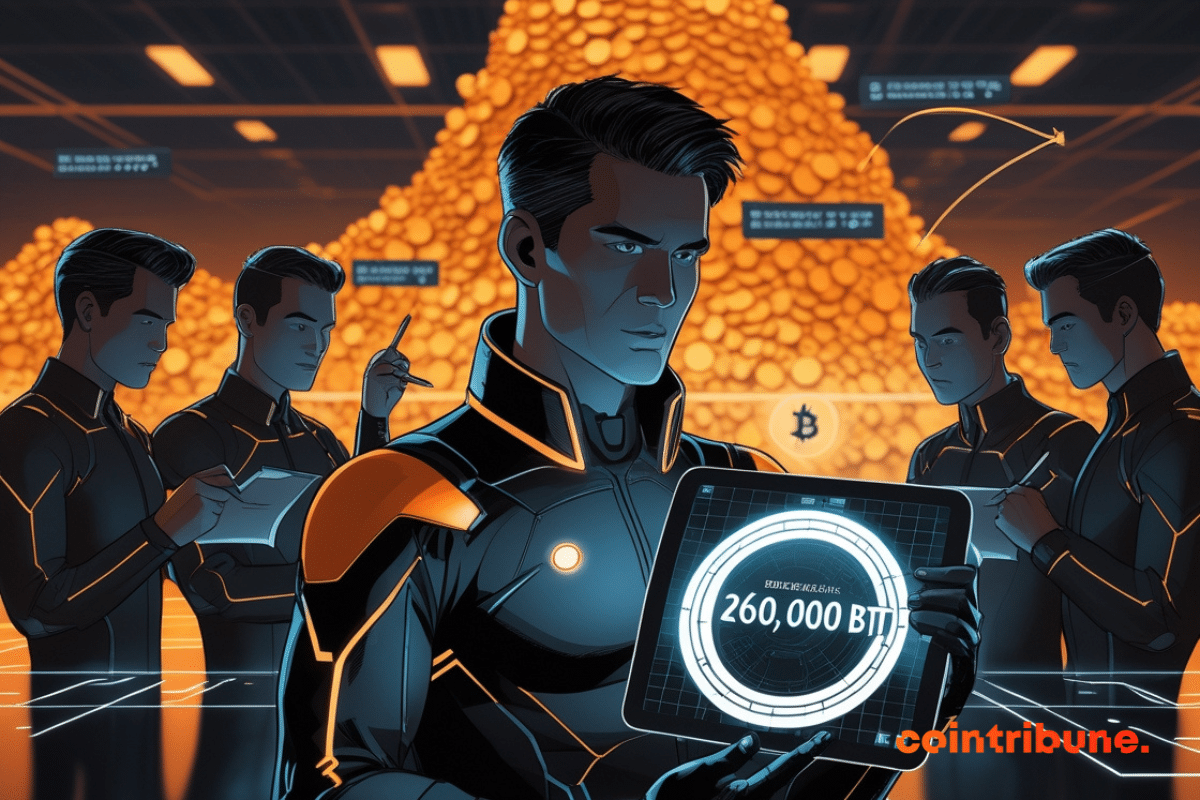
Europe, once hesitant about Bitcoin, wants its MicroStrategy: TBG plans for 260,000 BTC by 2033. A strong plan that tickles the ECB and shakes the markets.

The CAC 40 is taking a significant hit. In just a few sessions, the Paris index has dropped over 6.5%, driven by a dramatic return of trade tensions. The announcement by Donald Trump of new tariffs on Chinese and European imports triggered a wave of massive sell-offs. Thus, on April 3, the Paris Stock Exchange fell by 2.25%, indicating a climate of widespread nervousness that revives the specter of a global economic war.

Solana shows a promising technical rebound. Find our complete analysis and the current technical outlook for SOL.
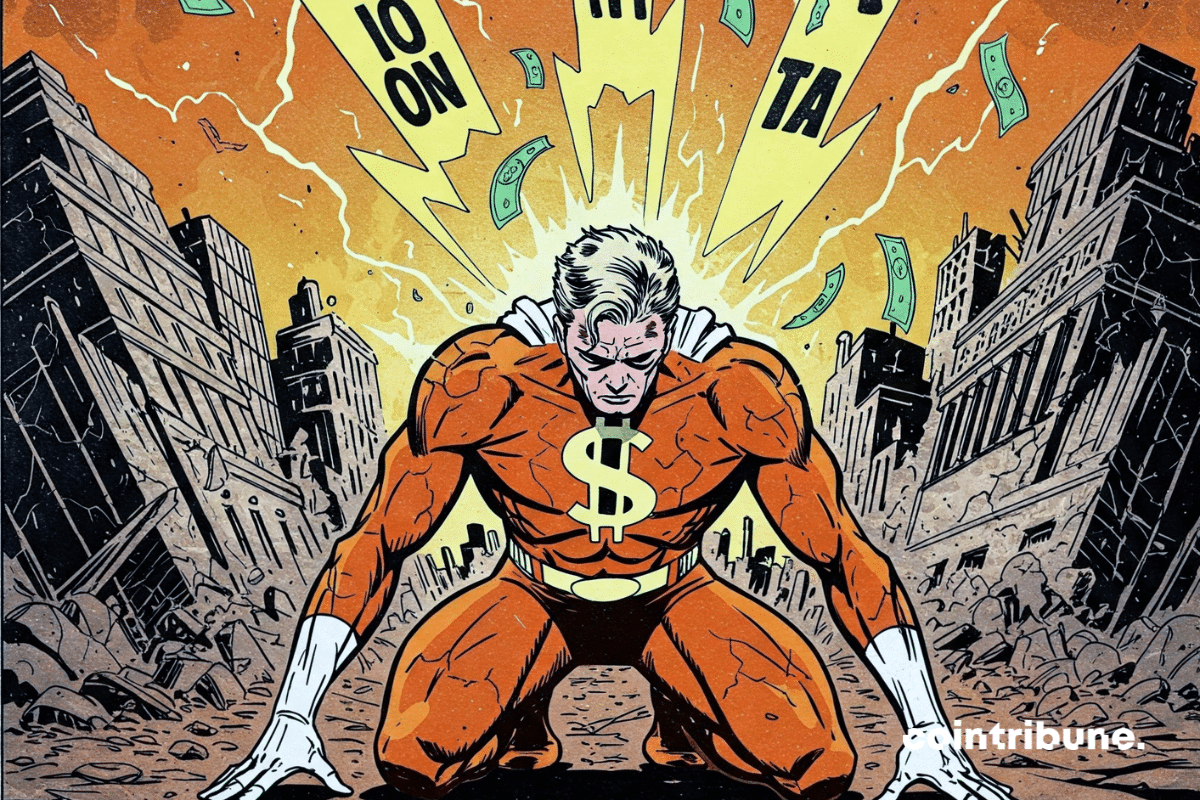
The American economy is declining for the first time since 2022. Heading towards a recession? Discover some key figures in this article!
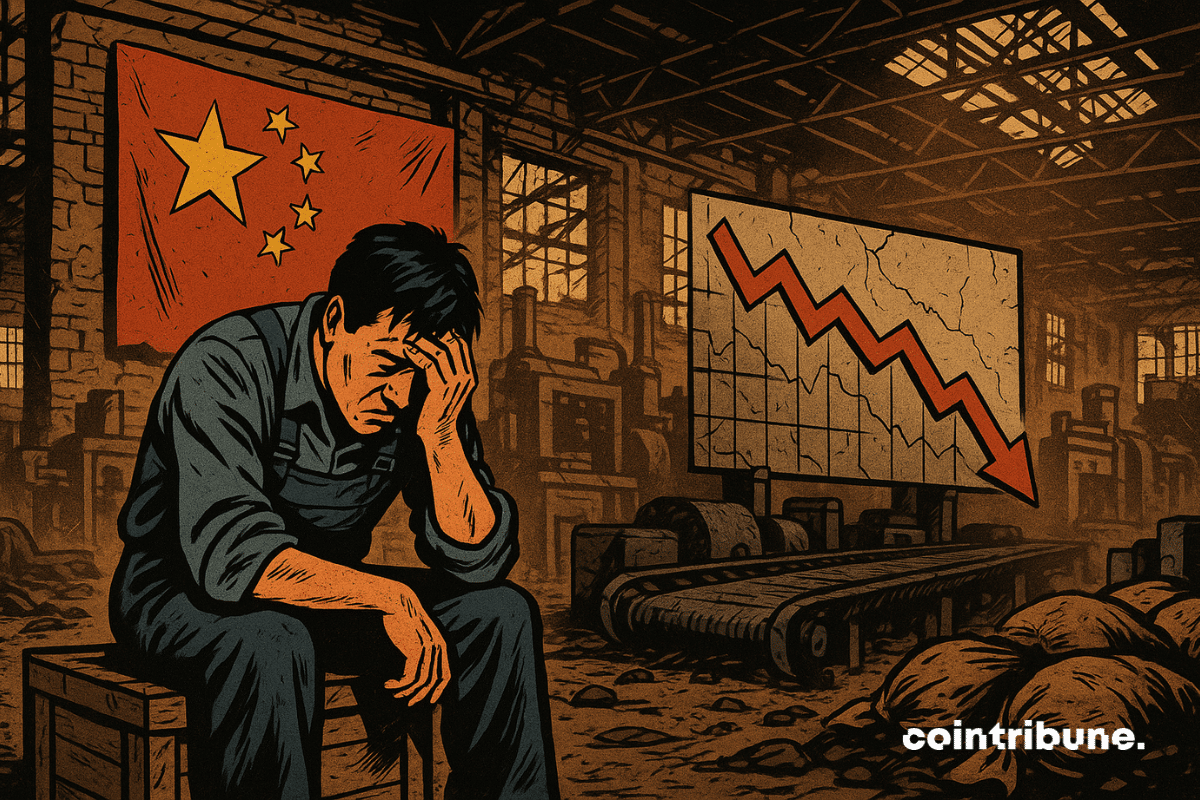
The Chinese industry is showing signs of weakness. For the first time in over a year, the country's manufacturing activity has contracted, according to the latest figures from the National Bureau of Statistics. Indeed, the new tariff offensive launched by Donald Trump, with customs duties reaching up to 145%, is beginning to have an effect. In Wall Street as in Beijing, concern is rising. This trade standoff between the two powers awakens fears of a global slowdown with systemic consequences.
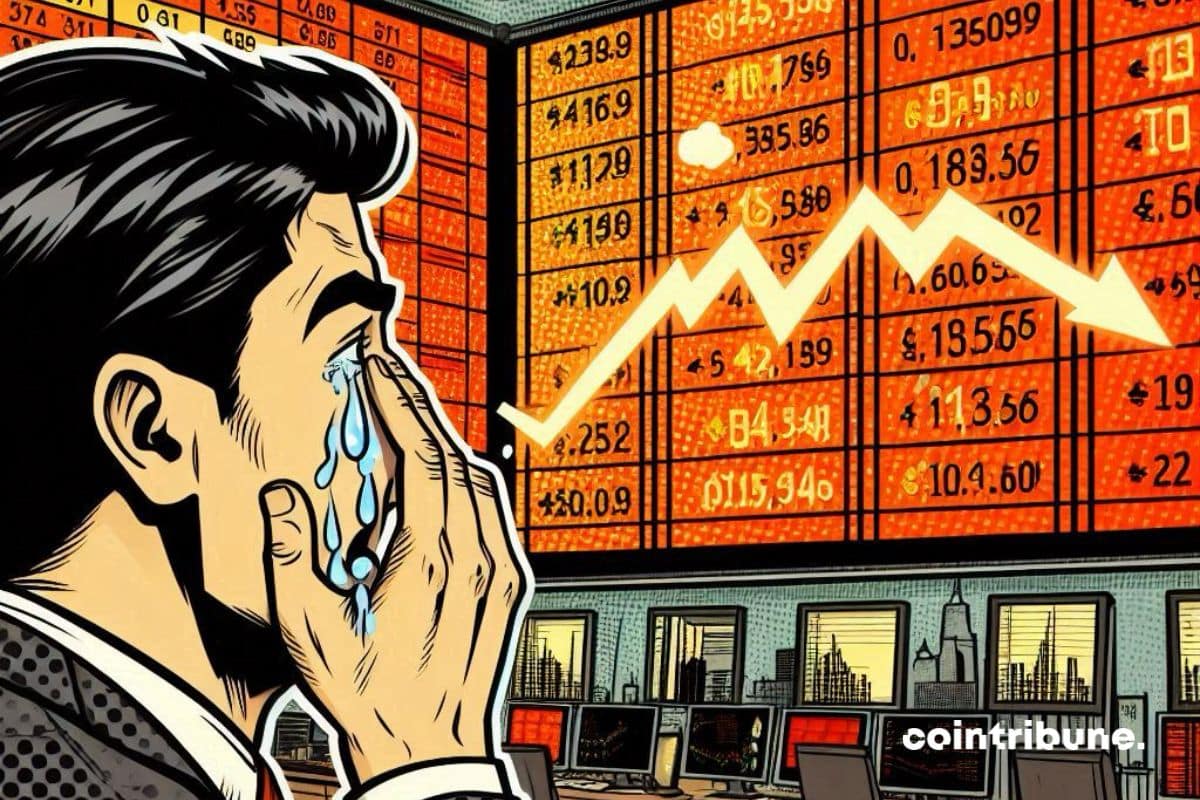
Global stock markets are plunging with significant losses on Wall Street and internationally. This drop, exacerbated by economic uncertainty, falling oil prices, and the trade war between the United States and China, raises questions about the short-term outlook for financial markets.

Ethereum remains in a waiting phase, between consolidation and potential recovery. Find our complete analysis and the current technical outlook for ETH.
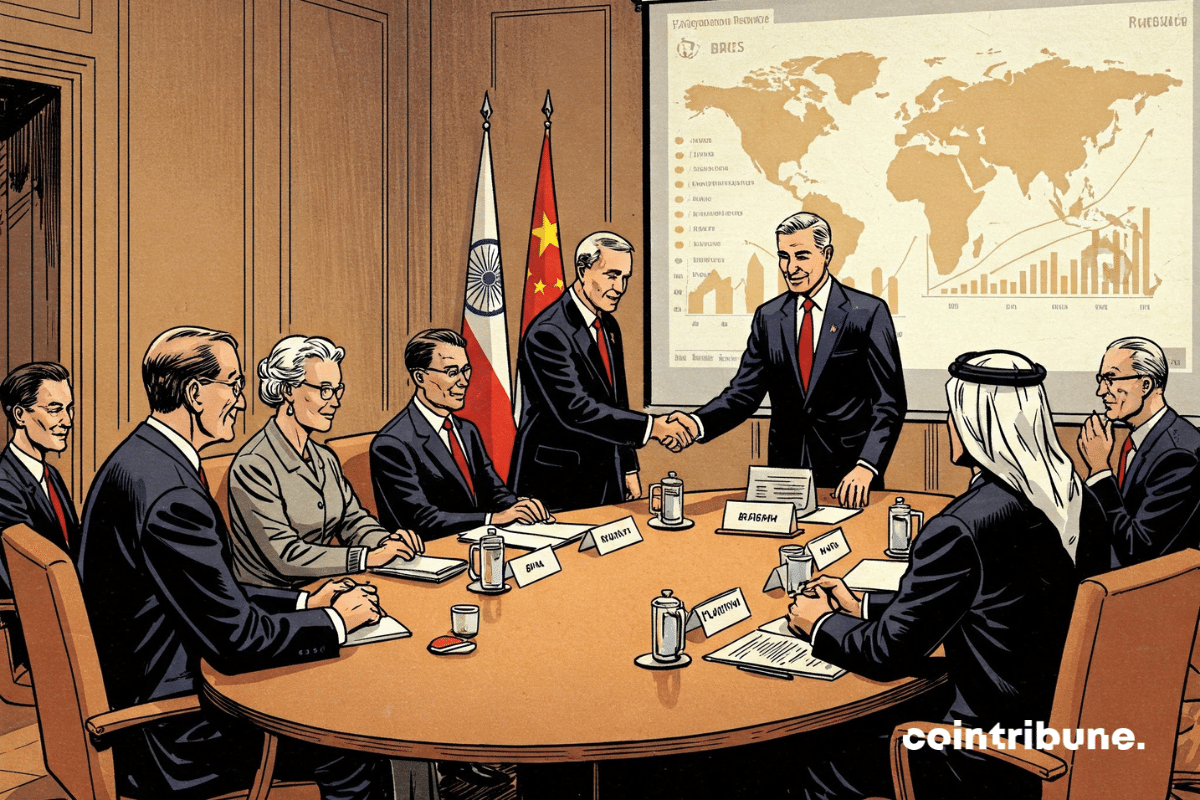
While economic sanctions aimed to suffocate Moscow, Russia recorded a growth of 4.1% in 2023. This figure, confirmed by Russian authorities, shakes the certainties of Washington and its allies. In a climate of war in Ukraine and a reshaping of monetary alliances, the resurgence of the Russian economy reveals an effective circumvention strategy, supported by the BRICS. This data raises questions about the effectiveness of Western sanctions and reshuffles the cards in the geoeconomic game.

Bunq, the well-known European neobank for digital nomads, is expanding its offering: it's time for cryptocurrencies! The app now allows users to manage savings and crypto in one basket, thanks to Kraken.
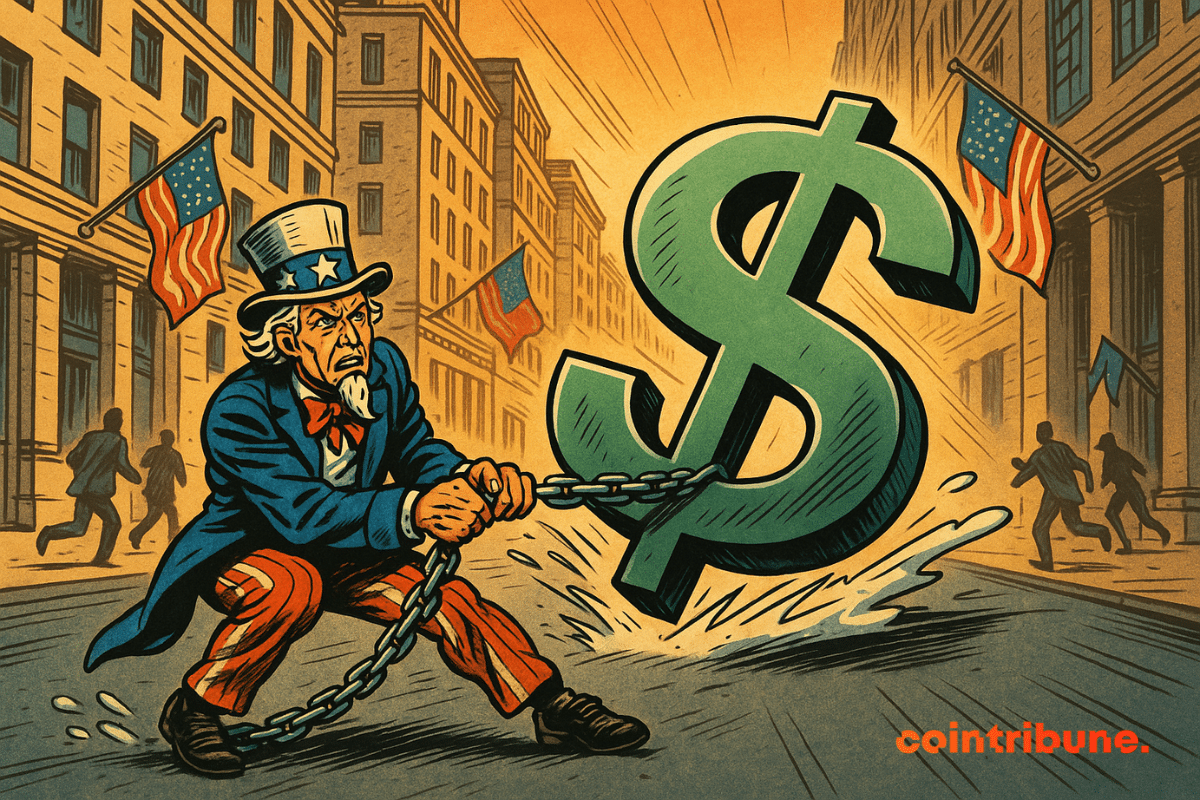
The American economy, that giant which once seemed untamable, today wobbles on a tightrope, caught between heightened trade tensions and a loss of domestic confidence. While some spoke of a mere gust of wind, the storm could very well be of unexpected violence.
Bitcoin is beginning a promising recovery: find our comprehensive analysis and the current technical outlook for BTC.
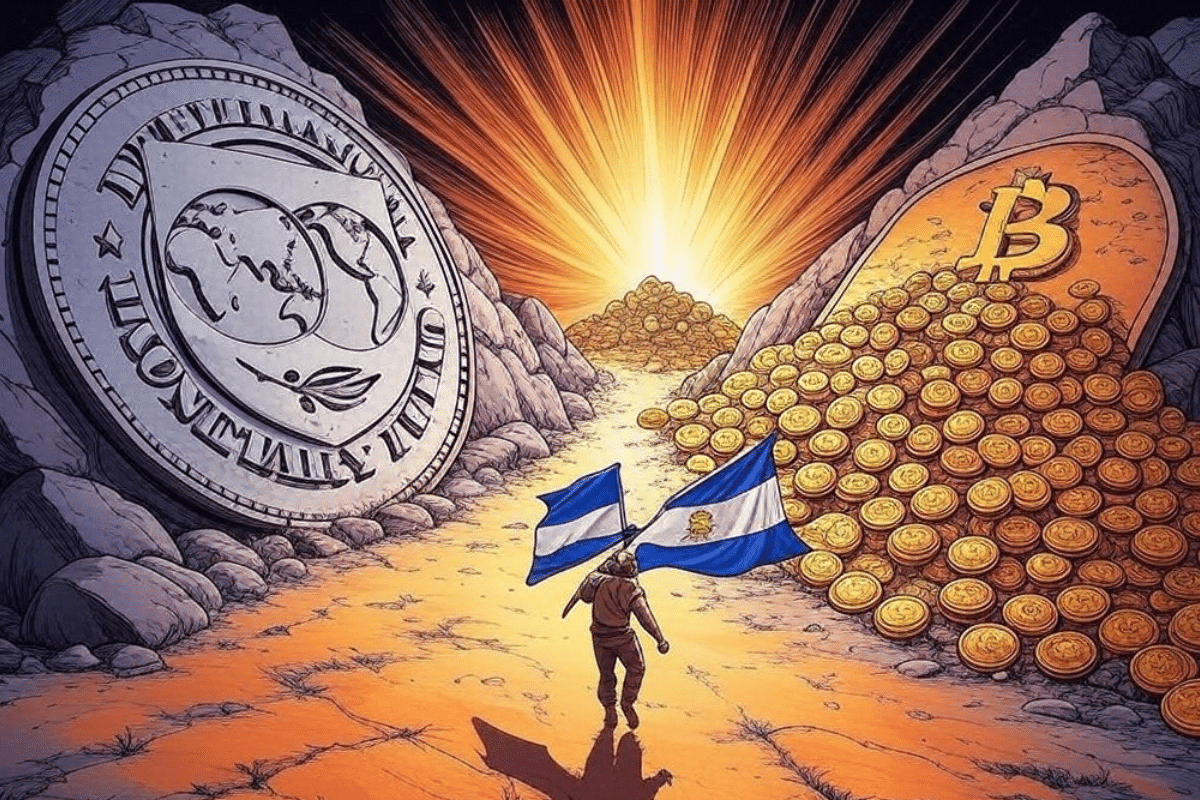
El Salvador "respects" the IMF agreement… while continuing to stack Bitcoin. The art of promising to stop, without ever slowing down.