Gold and silver hit record highs as investors seek safety, while Bitcoin and other cryptocurrencies dip amid global uncertainty.
After a sharp drop, Bitcoin stabilizes and shows signs of recovery. Technical analysis and key scenarios for BTC.
Bitcoin steadied after a sharp sell-off earlier this week, finding support near the $92,000 level as traders reassessed risk. Market watchers say exchange-traded fund inflows continue to support a positive long-term outlook, even as global political tensions keep volatility elevated. Recent price action suggests buyers remain active despite broader uncertainty.
Crypto funds attract capital again. With more than $2 billion injected in one week, the sector records an unprecedented influx, dominated by bitcoin-backed products. While traditional markets falter, institutional investors redirect their strategy towards cryptos. This renewed interest propels crypto ETPs to the forefront, acting as a strong recovery signal and a tactical repositioning amid economic uncertainties.
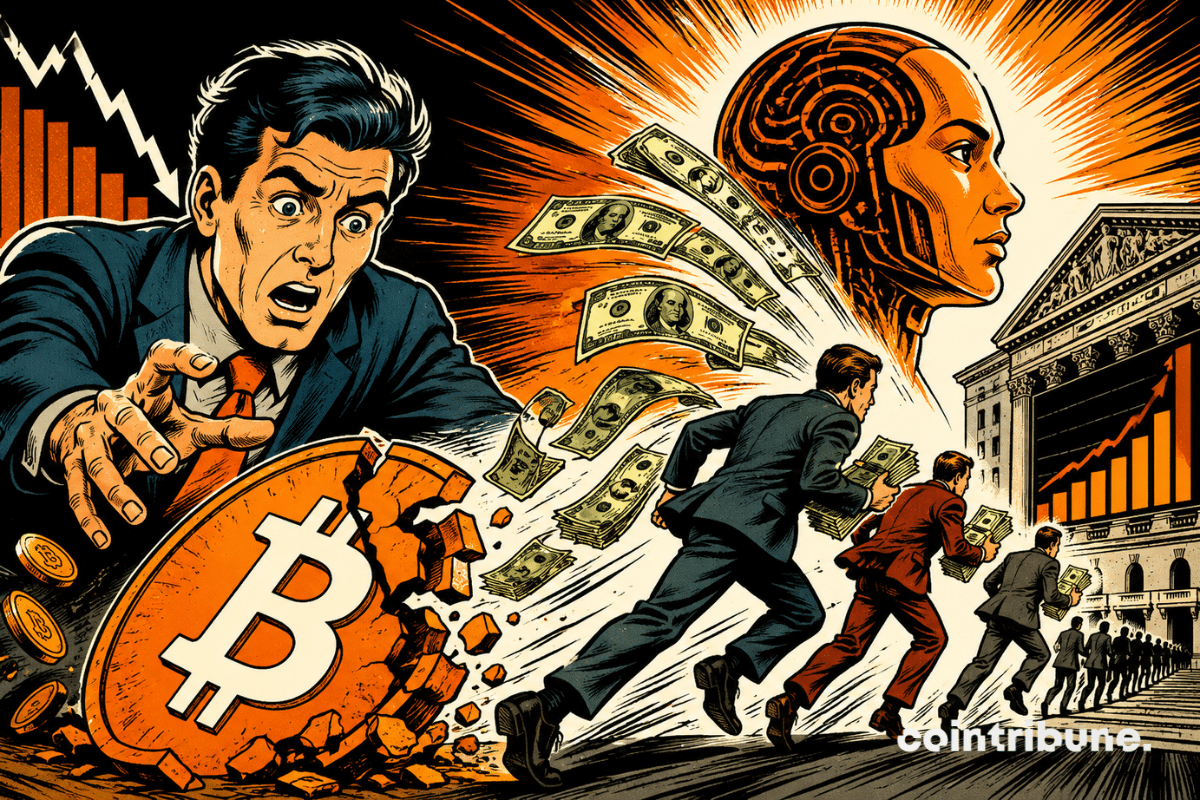
Bitcoin sneezes, traders panic, whales scoop up everything. A drop without a shiver, a washout of leveraged positions, and presto! the market regains its Olympian calm.
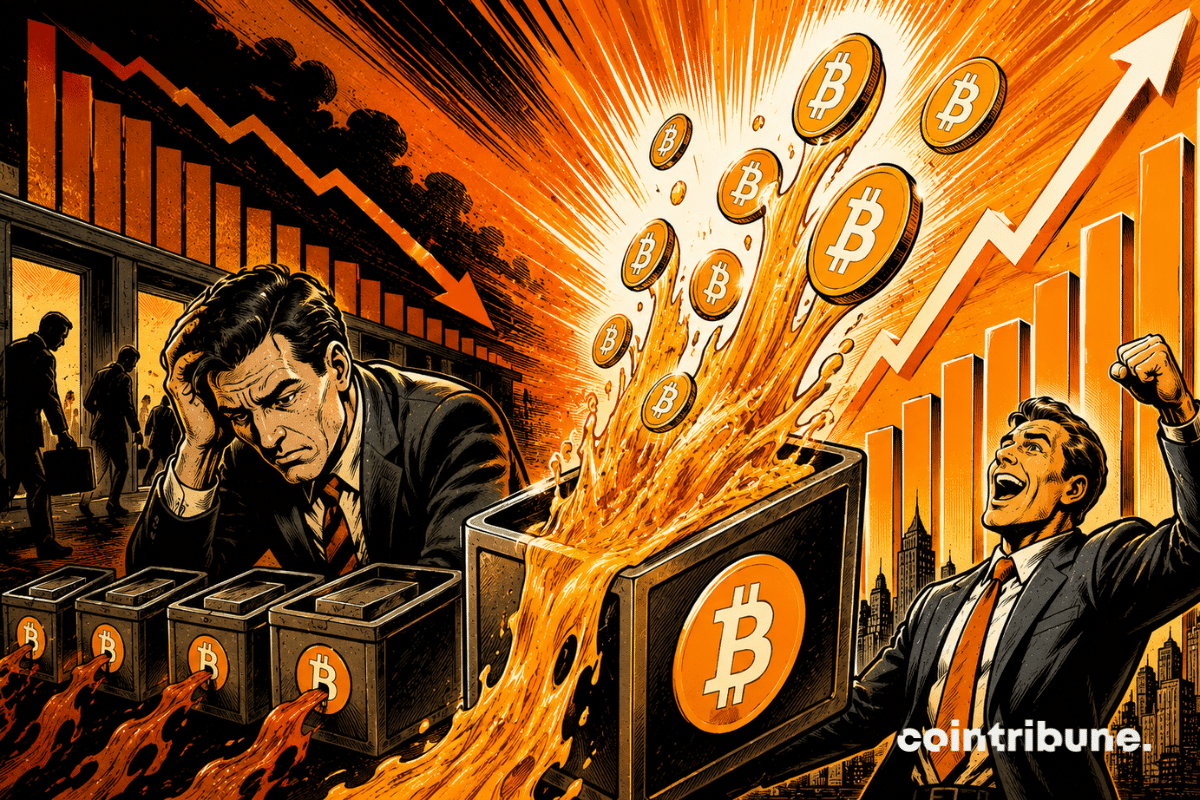
Why has the Bitcoin hashrate just fallen below the symbolic threshold of 1 zettahash per second? Are miners abandoning the network for more profitable AI (artificial intelligence)? A silent battle is redefining the future of mining and blockchain.
Scaramucci warns that banning yield on stablecoins could make the US dollar less competitive globally as other countries offer interest on digital currencies.
Bitcoin options open interest has overtaken futures for the first time, marking a shift in how risk is held across crypto markets. By mid-January, options open interest climbed to about $74.1 billion, edging above roughly $65.22 billion in futures. The change points to a market relying less on short-term directional trades and more on structured positions that manage risk and volatility over time.
Steak ’n Shake is positioning Bitcoin as both a customer payment option and a long-term treasury asset, signaling a deeper integration of cryptocurrency into its business model. The fast-food chain reported that its corporate Bitcoin holdings increased by $10 million in notional value, fueled by customer payments and rising same-store sales.
Under regulatory pressure, the American crypto sector closely watched the CLARITY Act, intended to establish a clear legal framework for these assets. However, the bill was abruptly paused in Congress after Coinbase dramatically withdrew its support. Presented as a structural reform, the latest version of the project triggered sharp criticism, accused of threatening innovation. A political setback that reignites tensions between legislators and actors of an ecosystem still seeking recognition.
While the crypto ecosystem oscillates between uncertainty and consolidation, Solana attracts an unexpected wave of users. In the space of 24 hours, more than 8.9 million new addresses were created on the network, a record that reignites attention on this blockchain known for its speed and efficiency. Behind this sudden enthusiasm lies a more nuanced reality, where the enthusiasm of newcomers clashes with fragile technical signals.
In the world of cryptocurrencies, hacks have become events that are both frequent and dramatic. The main data is clear: nearly 80% of hacked crypto projects never fully recover, even after fixing their technical vulnerabilities. This means that most protocols experiencing a major attack remain permanently weakened — financially and in terms of trust.
Announced as a historic breakthrough, the strategic Bitcoin reserve desired by the United States remains at a standstill today. Nearly a year after the decree signed by Donald Trump in March 2025, no BTC acquisition has been made. Legal blockages and persistent administrative confusion are the causes. Officially a priority, the project is stalling, giving way to growing criticism from the crypto community, disappointed by the lack of concrete actions and the absence of a clear government strategy.
Brian Armstrong clarified that Coinbase’s talks with the White House remain constructive as the CLARITY Act faces delays over regulation issues.
While macroeconomic uncertainty weighs on traditional markets, bitcoin is once again establishing itself as a strategic asset for institutional investors. Spot Bitcoin ETFs are recording record inflows, reaching unprecedented levels for several months. This massive return of capital signals a clear repositioning of large portfolios, now more inclined to expose themselves through regulated vehicles. A change in tone that could mark a new phase of institutional adoption, but whose strength remains to be confirmed.
In Washington, crypto puts the Senate in a tailspin: Coinbase says no, the law collapses, and banks fear that open code will become uncontrollable.
Bitcoin is regaining the interest of institutional markets. This week, U.S. spot ETFs attracted $1.8 billion in inflows, a record peak since October 2025. Such a spectacular resurgence occurs in an uncertain macroeconomic environment, rekindling hopes of a new bull cycle. However, does this surge reflect a fundamental trend or just a technical rebound? As the $100,000 threshold fuels speculation, the market remains suspended on the consistency of these new funds.
Patrick Witt confirmed that Bitcoin seized from the Samourai Wallet case will remain in the U.S. Strategic Reserve, dispelling rumors of a government sell-off.
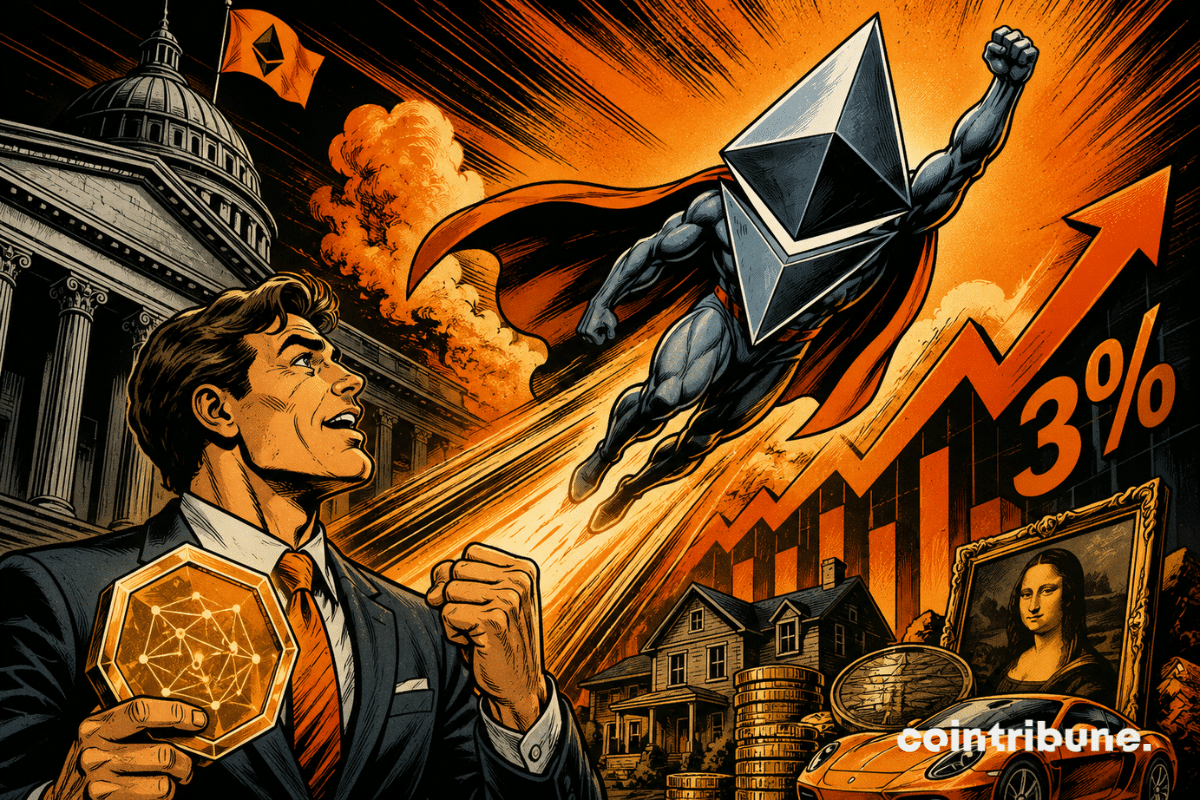
Ethereum has not "lost", but it has sometimes compromised. That is the quite direct message that Vitalik Buterin put back on the table on Friday 16 January 2026. He promises a year of reconquest: easier to verify the network yourself, easier to use dApps without trusting intermediaries, and easier to take back control of your data.
While corporate bitcoin adoption remains a divisive subject, Michael Saylor continues to lead the movement. The executive chairman of Strategy no longer just accumulates BTC. He now steps up to defend, against criticism, an unapologetic vision of bitcoin as a strategic corporate treasury asset. In a context of macroeconomic uncertainty, his positions reignite the debate on the relevance and durability of this strategy.
While the market's attention has focused on Ethereum, Solana or rollups, XRP is back in the conversation. Long held back by regulatory turbulences, the asset is catching a new breath, driven by favorable technical dynamics and a growing strength of its infrastructure, the XRP Ledger. Influential voices in the sector now see it as an underestimated catalyst, able to reactivate a growth cycle based on real use cases and a proven architecture.
The Iranian crypto economy experienced a spectacular acceleration in 2025, reaching around 7.78 billion dollars, according to Chainalysis data. This growth is far from being purely technical. It is closely linked to social movements, economic constraints, and digital disruptions that have shaken the country.
The boundary between traditional finance and crypto continues to fade. Interactive Brokers, a heavyweight in online brokerage, brings new proof by allowing account funding via USDC. This stablecoin, pegged to the dollar, thus becomes a bridge between two worlds long opposed. Behind this decision is a clear desire to accelerate the modernization of global financial flows, bypassing the limits of traditional banking systems.
U.S. lawmakers have put a major crypto market structure bill on hold after strong pushback from Coinbase. Fresh criticism from the exchange’s chief executive raised doubts about whether the proposal could move forward without changes. As a result, Senate Banking Committee members delayed a planned markup while reassessing industry and regulatory concerns tied to the draft.
X is limiting InfoFi apps that reward posting, aiming to reduce spam and AI content, which led to notable drops in related tokens.
CZ remains confident Bitcoin will reach $200K, says an altcoin season will eventually arrive, and warns only meaningful meme coins are likely to last.
Crypto scams reached a new level of speed and scale in 2025 as artificial intelligence tools made fraud more convincing and harder to detect. A new report from blockchain analytics firm Chainalysis shows that scammers are stealing more money per victim while running cheaper and wider operations. Losses tied to crypto scams are now estimated at $17 billion for the year, the highest level ever recorded.
The crypto market returns to a more neutral tone, but remains quiet. The Crypto Fear & Greed Index has risen to 54, a sign of a return to balance after weeks dominated by fear, while prices stabilize. Yet, the most telling signal comes from elsewhere: spot volumes remain close to…
While companies strengthen their presence in the crypto sector, a recent survey reveals the rise of Bitcoin treasuries. Investors anticipate spectacular growth in public companies' Bitcoin portfolios in 2026, marking a turning point for traditional financial strategies. This development could transform corporate management practices, but also redefine the architecture of digital financial markets and decentralized finance, thus heralding a new era for the integration of cryptos into the global economy.
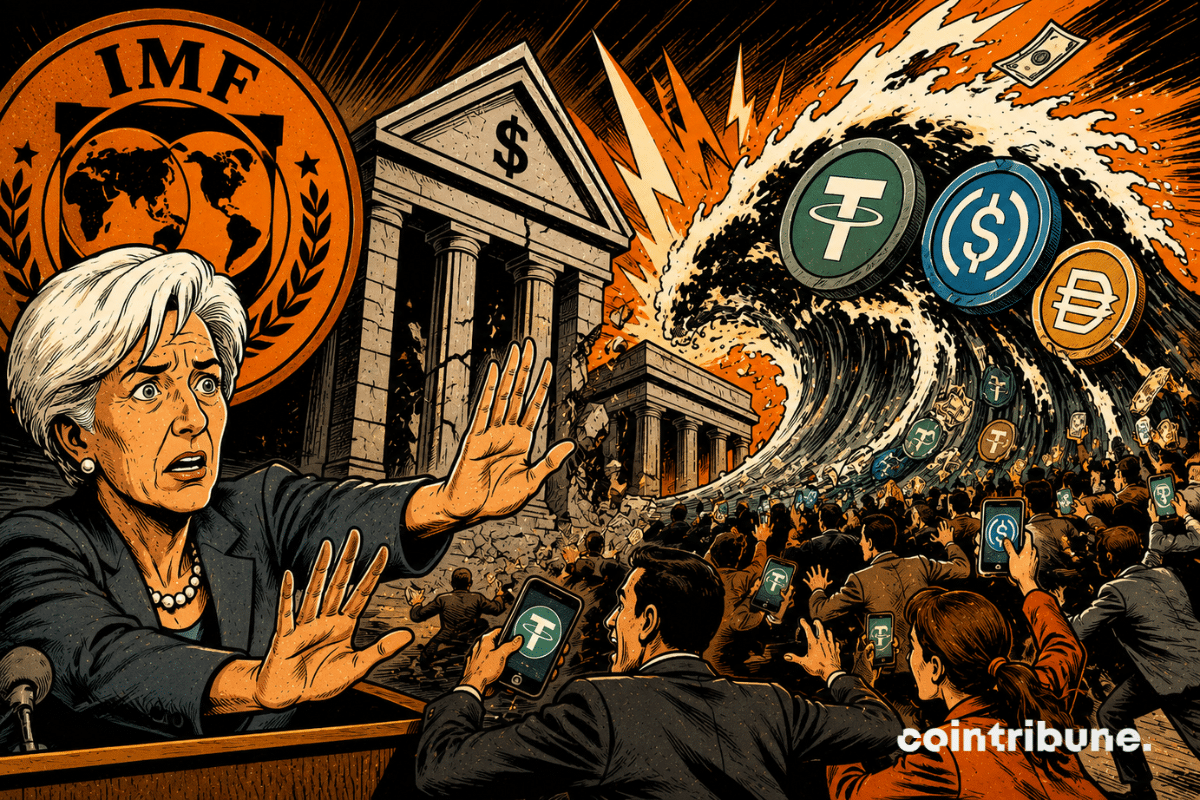
What if the next threat to traditional banks did not come from an economic crisis, but from a simple innovation in stablecoins? Brian Moynihan, CEO of Bank of America, warns that the rise of yield-bearing stablecoins could trigger a massive outflow of bank deposits, thus disrupting the balance of the American financial system. This worrying scenario for traditional institutions could see their role as lenders severely affected by this new form of digital competition.