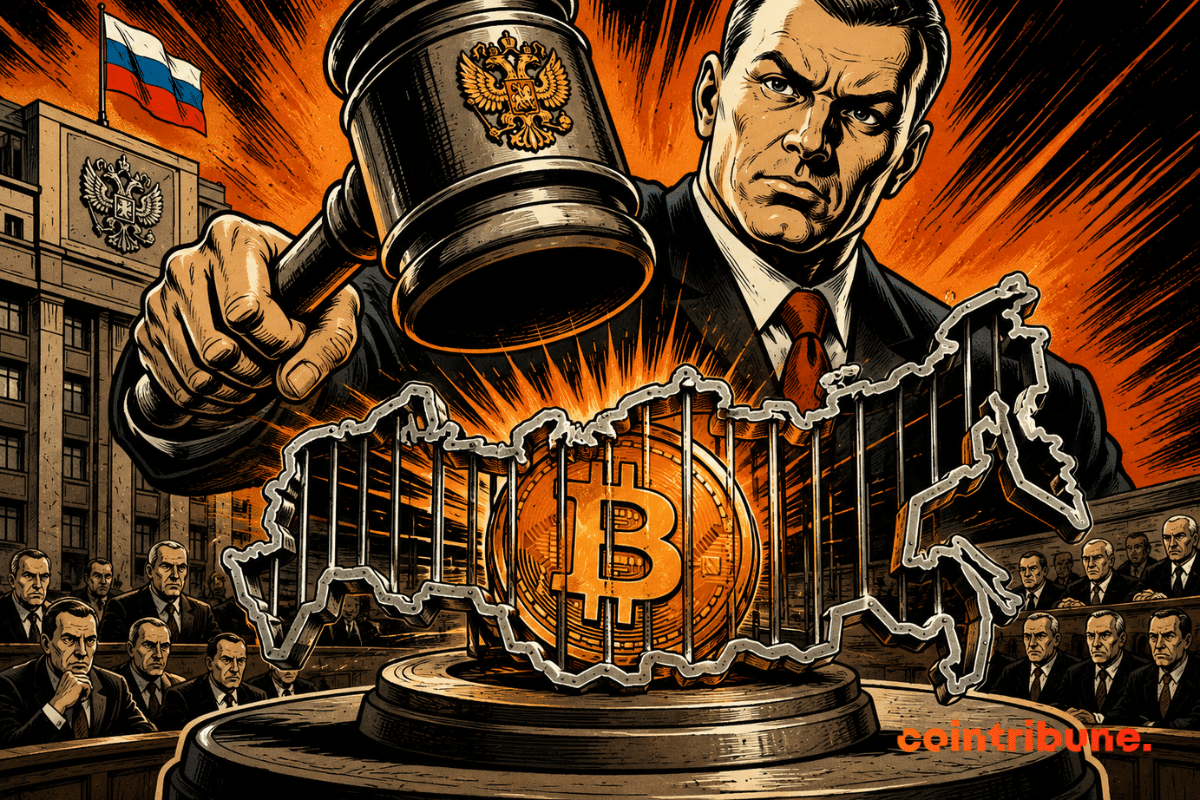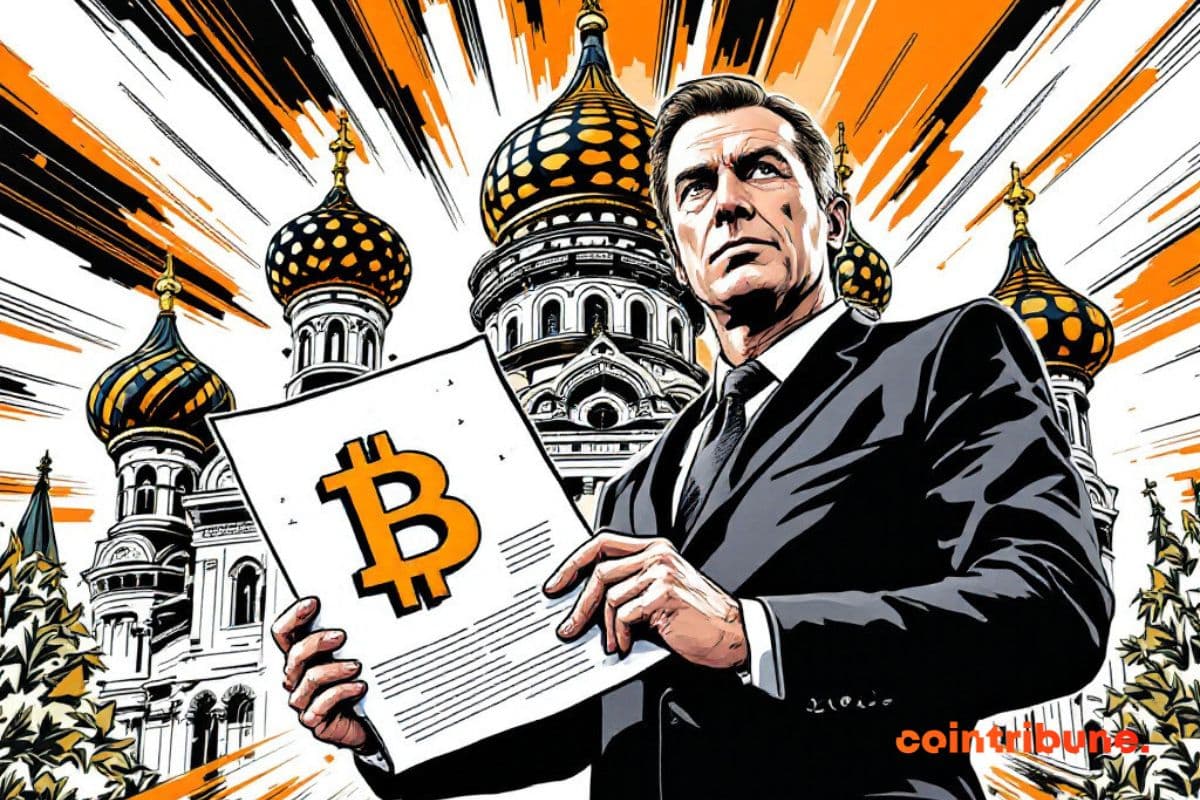
Russia's Duma approves a revolutionary crypto law. This text has the potential to alter the economic landscape by facilitating foreign trade and enforcing strict regulations. Does it, however, conceal a plan to get around sanctions?
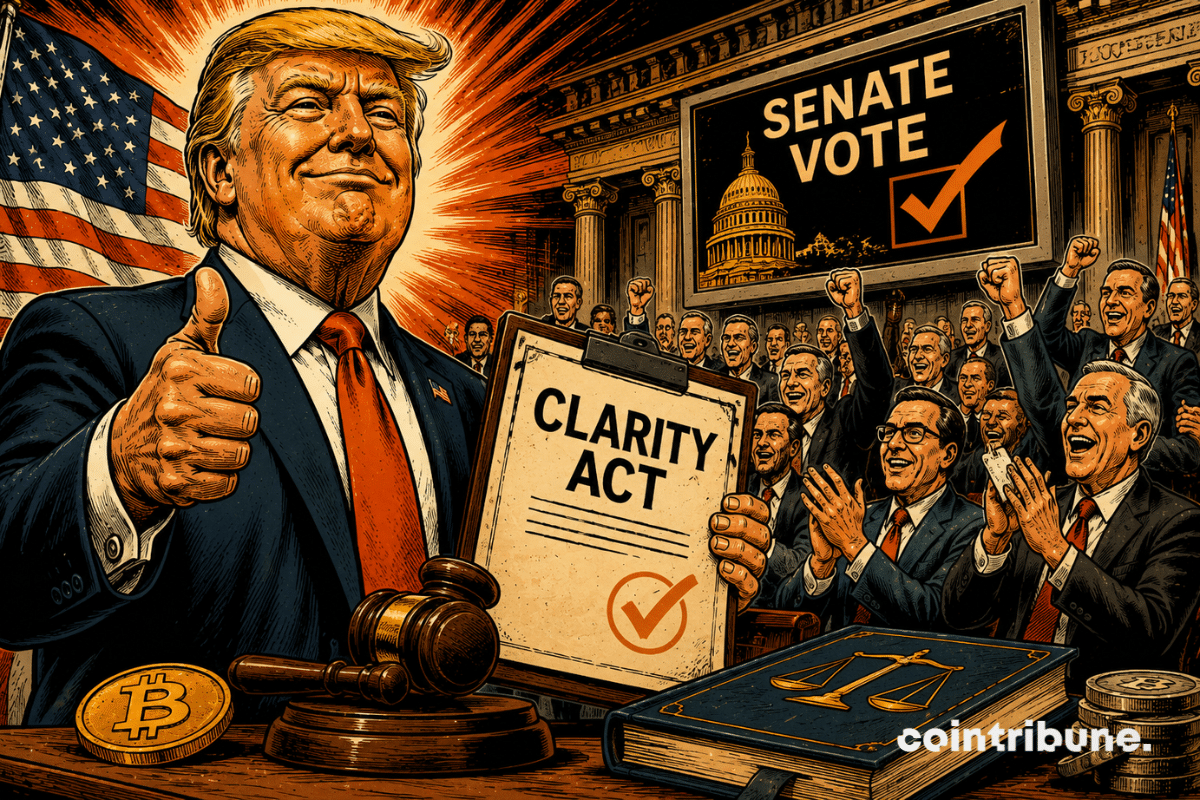
The White House has approved an ethics component of the CLARITY Act and sent the text to Republican senators, removing the last major obstacle before a floor vote. Donald Trump personally gave his approval, rekindling hopes of adoption before the Senate's summer recess.
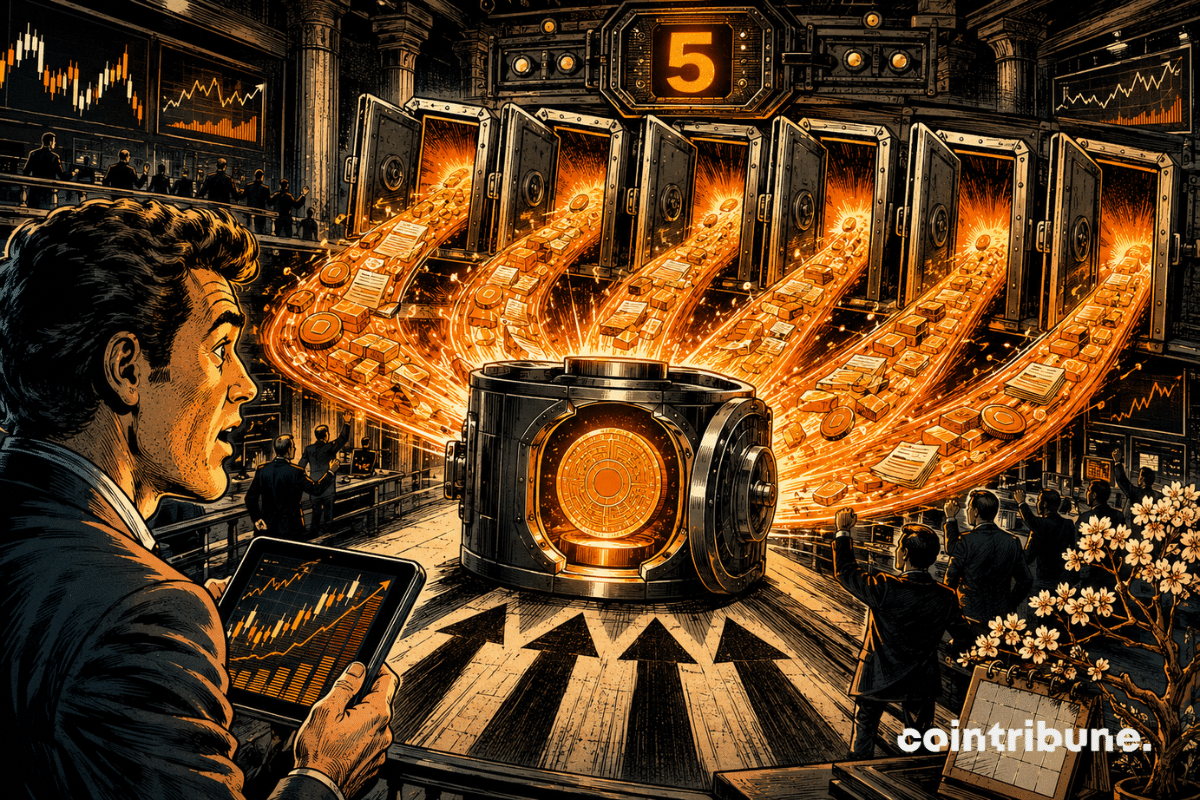
The American spot Bitcoin ETFs have just recorded five consecutive days of inflows, a first since April. In five sessions, nearly 727 million dollars returned to these products. The signal comes at a good time for bitcoin, still stuck in a fragile zone after weeks of outflows and macro uncertainty.
Bitget is strengthening its developer infrastructure through a new Siebly.io SDK integration. The collaboration gives algorithmic traders faster access to Bitget’s spot, futures, copy trading and market data systems. It also supports the exchange’s wider Universal Exchange strategy, where trading tools must work across more assets, more accounts and more execution styles.
The World Cup final delivered its verdict on the field. On prediction markets, it marked the end of a speculative frenzy worth several billion dollars. After Spain's victory over Argentina (1-0), the combined open interest of Kalshi and Polymarket fell by nearly 20% from its peak of about 2 billion dollars reached in early July. This sharp decline reveals the dependence of prediction platforms on major media events and reignites the debate about their ability to maintain user engagement outside global events.
The debate around the digital assets market intensifies once again in the US Senate. While legislators continue discussions on the CLARITY Act, negotiations remain marked by several sensitive points, including investor protection and ethical issues. Behind this text, considered one of the most important legislative projects for the cryptocurrency industry, Democrats and Republicans are still trying to find common ground. The latest closed-door exchanges nevertheless illustrate divergences that could still influence its adoption.
A few billion dollars were enough to reshuffle the cards of the crypto market. Between July 13 and 17, institutional investors gave momentum back to assets thanks to a marked inflow of capital into US spot ETFs. This return of buyers allowed bitcoin and Ether to close the week in the green, after several sessions marked by uncertainty. A dynamic that once again highlights BlackRock's weight, which has become an essential player in directing flows towards cryptocurrencies.
Russia is about to adopt a major crypto law. The reform includes licenses, investment caps, and an unprecedented framework.
Bitcoin is experiencing a very difficult month of July. Indeed, institutional investors are massively withdrawing their capital from tech stocks and the military situation in the Middle East is deteriorating. This has a direct negative impact on the crypto market, which now suffers from strong risk aversion. Such macroeconomic pressure from both sides weakens Bitcoin's summer trend and pushes investors to reduce their investments. Today, every move in global markets can worsen Bitcoin's correction, increase volatility, or change forecasts for the rest of the cycle.
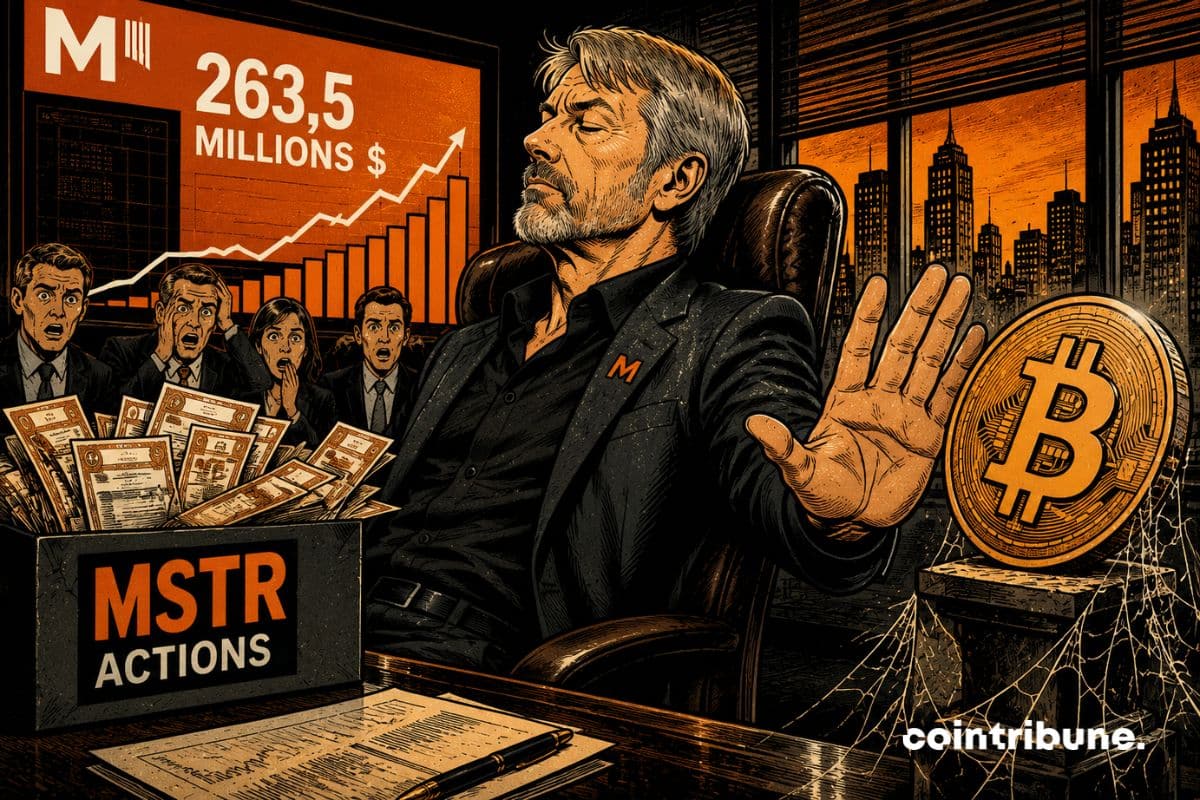
Strategy raises 263.5 million dollars by selling its MSTR shares but ignores Bitcoin. Michael Saylor, once an unconditional BTC fan, is he playing it safe or abandoning ship?
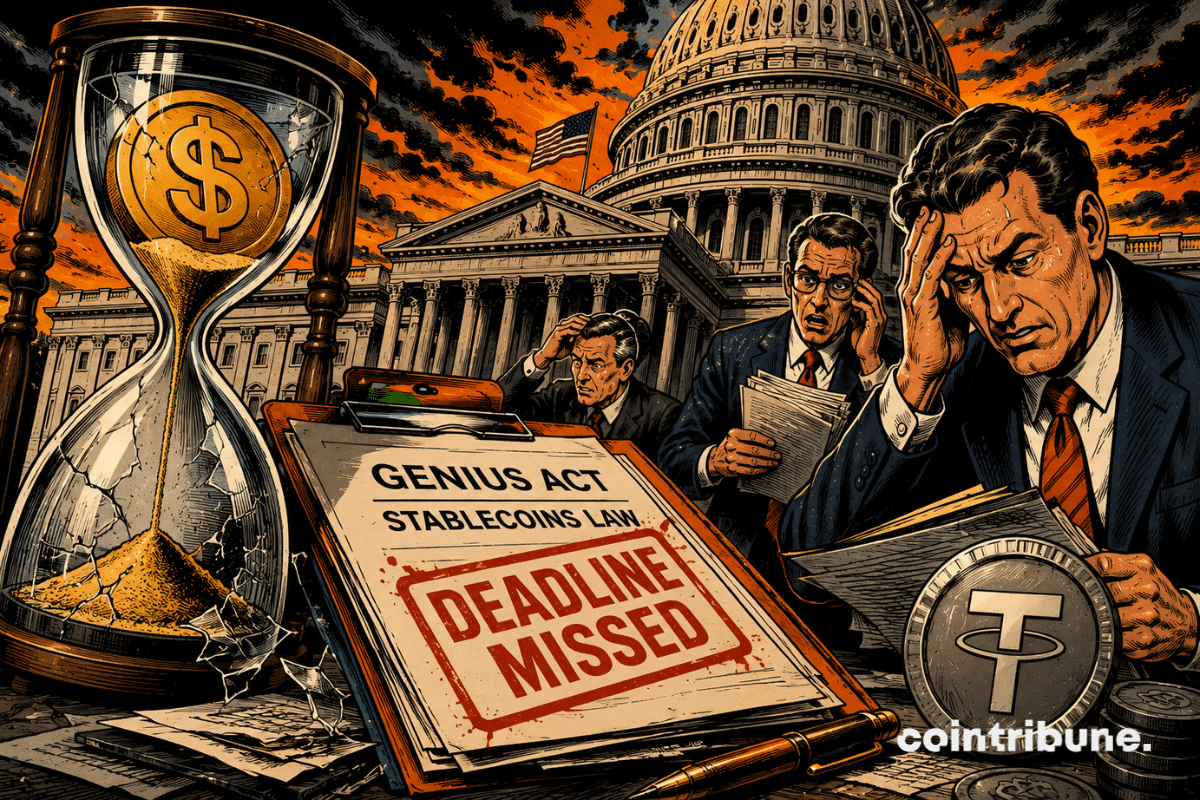
U.S. federal agencies have not adopted the implementing rules of the GENIUS Act before the one-year deadline, settling for ten text proposals. This delay, which occurred on July 18, 2026, leaves stablecoin issuers awaiting final frameworks. Will the window for regulatory clarity finally close?
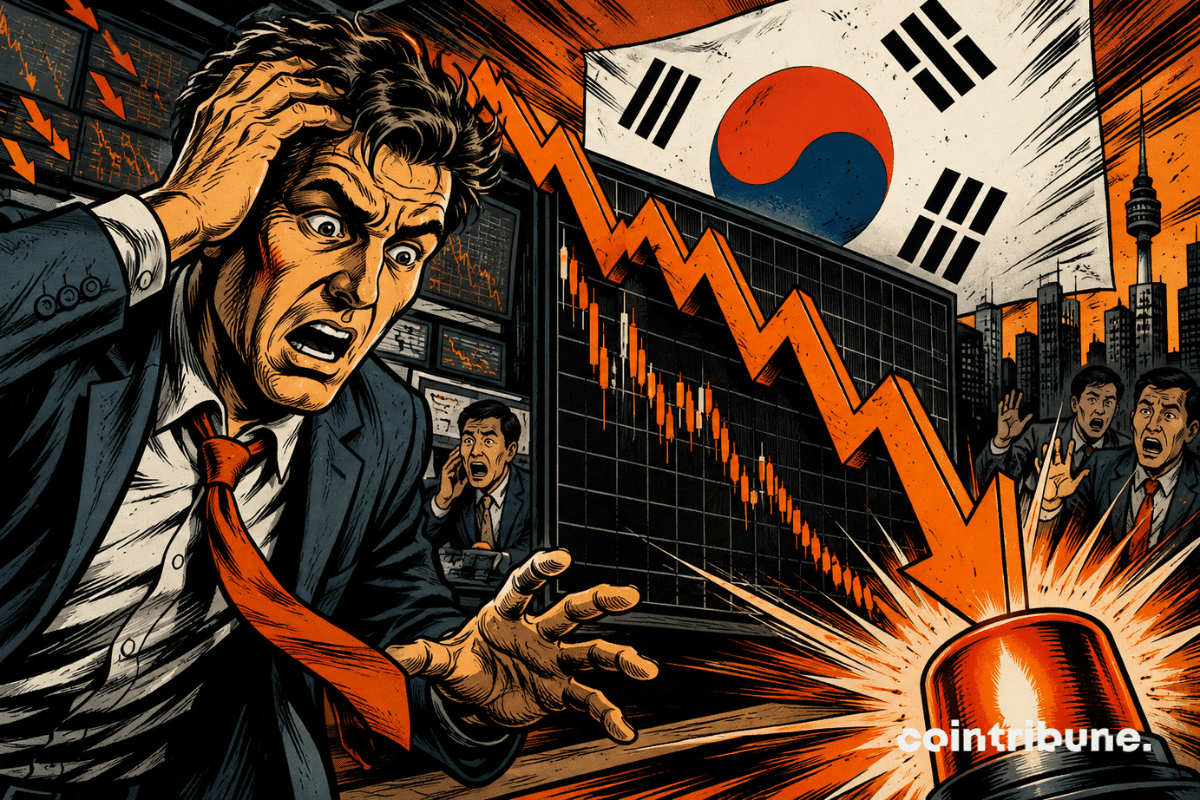
While global markets continue to assess the impact of artificial intelligence on valuations, the South Korean stock market is going through a period of high tension. After several months of spectacular growth driven by semiconductors and major technology companies, a sharp correction hit the local market. The move caught investors' attention following reports of a significant market capitalization loss of about 260 trillion won and the plunge of the KOSPI. This drop reminds us of the risks linked to phases of excessive euphoria and markets heavily exposed to leverage.
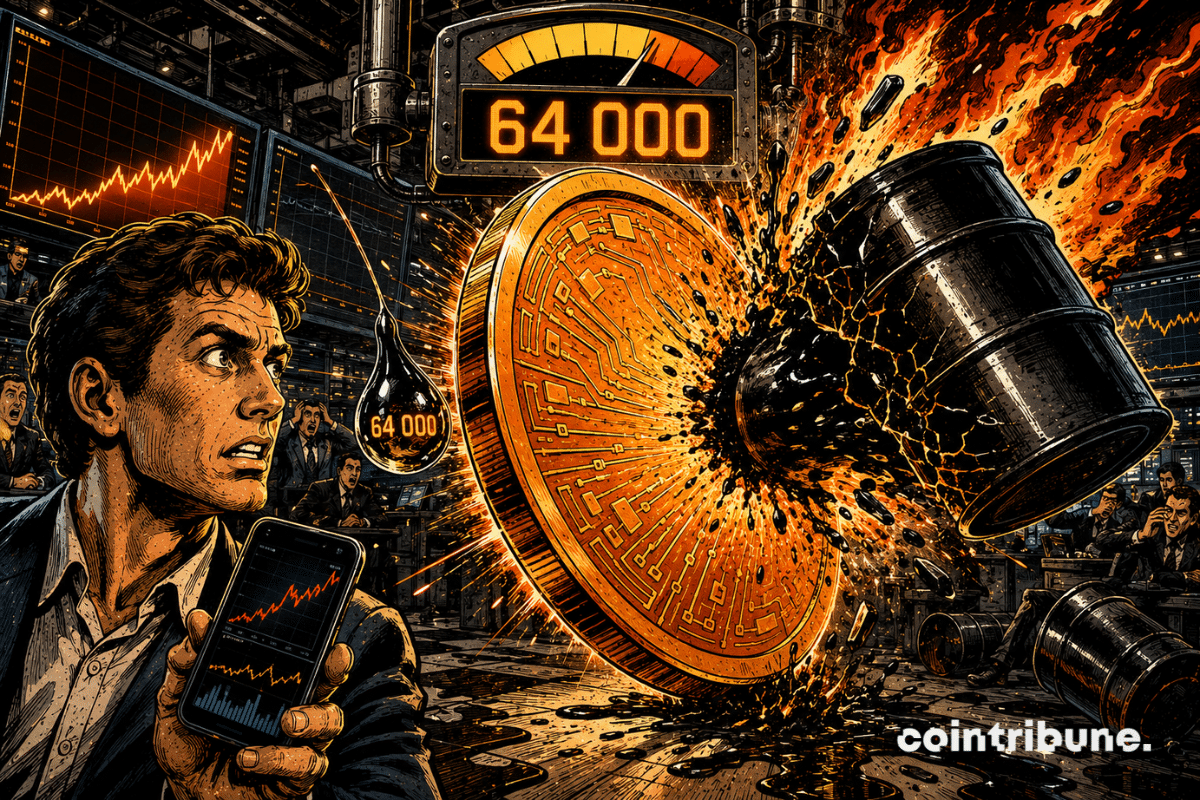
Bitcoin remains close to $64,000 despite a strong surge in oil and a more tense market climate. Brent jumped with the military escalation between Washington and Tehran, reigniting inflation fears. Yet, BTC does not falter. This resistance is intriguing, as it comes when risky assets also absorb the backlash of the Kimi AI shock.
The second quarter of 2026 saw the cryptocurrency market extend its slide into a third consecutive quarter of decline, as bearish momentum culminated in a punishing June breakdown. Total crypto market capitalization fell -12.6% ($304.8 billion) to end 2026 Q2 at $2.1 trillion, its lowest point since September 2024 and roughly -52% below the October 2025 peak. The sharpest correction of the quarter occurred in June, as a hawkish Fed stance, flip-flopping US-Iran tensions, and a symbolic Bitcoin sale by Strategy combined to trigger the steepest decline of the year.
The evolution of blockchains now depends as much on their governance as on their technical advances. In this context, Cardano has just reached an important milestone with the activation of the Van Rossem update, presented as the first hard fork in its history wholly validated by an on-chain governance process. This evolution, deployed without network interruption, brings several improvements aimed at developers, strengthens the security of the protocol, and prepares the next technical developments of the ecosystem.
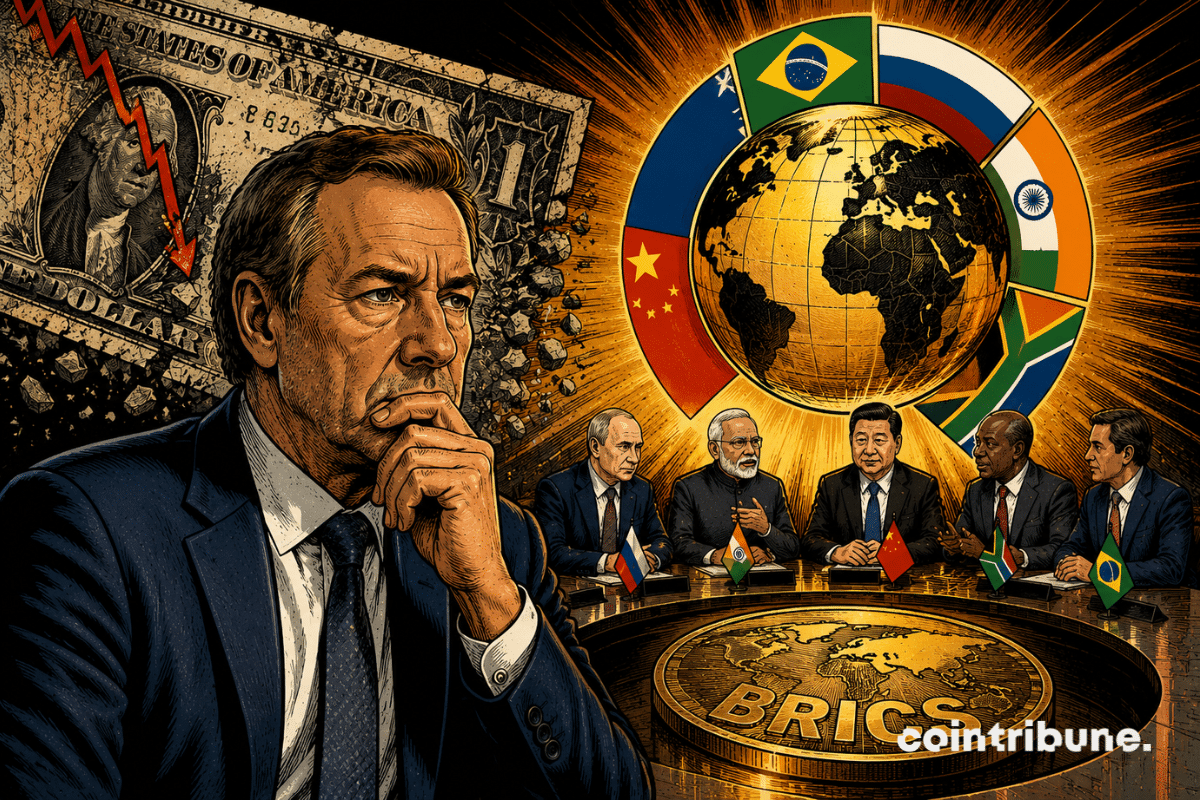
The project of a monetary system capable of competing with the dollar has long been considered an unrealistic ambition of the BRICS. This perception is now wavering. Jim O'Neill, the economist who popularized the acronym BRIC in the early 2000s, now recognizes that the major emerging economies have the means to build a credible alternative to the monetary order dominated by the greenback. This turnaround comes as geopolitical tensions intensify and payment infrastructures are transforming at high speed.
Does Dogecoin need to emancipate from Litecoin? Discover the debate dividing crypto developers over DOGE's autonomy.
Is Michael Saylor preparing a new move on bitcoin? After a pause in BTC purchases, the Executive Chairman of Strategy has reignited speculation with a simple message published on X: "what is the next step?" Behind this question lies a major issue. While the company holds more than 4% of the total bitcoin supply and now has a record cash reserve, the market is wondering about the next step of its strategy. Every decision of the firm is now scrutinized as a signal for the entire crypto ecosystem.
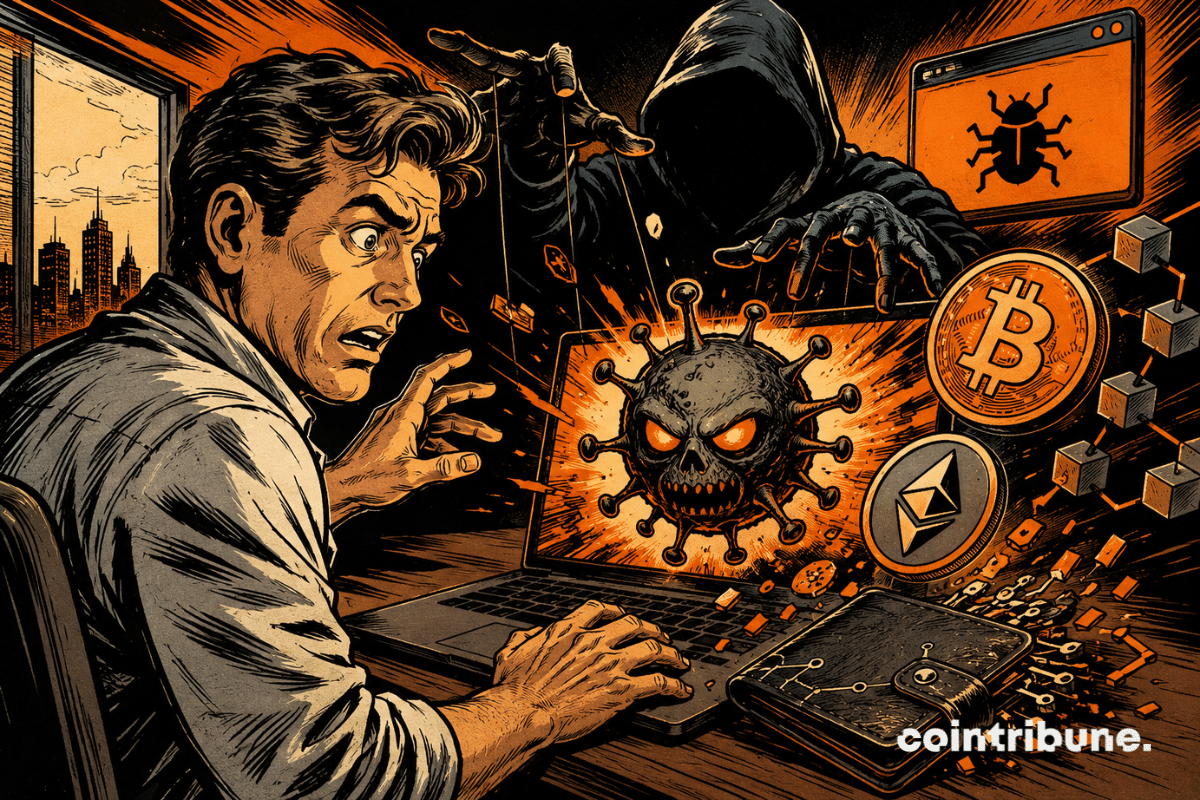
The cryptocurrency sector continues to attract cybercriminals, who perfect their methods to deceive their victims. This time, Kaspersky highlights a new malware framework designed to compromise digital wallets and steal sensitive data. Analysis shows attackers combine social engineering, fake GitHub projects, and remote access techniques to infiltrate devices. Meanwhile, another campaign targets Web3 developers through fake job offers posted on LinkedIn, revealing an evolution of threats.
The Blockchain company Consensys accidentally employed a developer linked to North Korea, who accessed some of its systems for a month. The incident, revealed on July 17, 2026, did not result in any theft of funds or malicious code according to the company. How far do North Korean networks infiltrate development teams in the sector?
Are Shiba Inu investors losing interest? Data indicates a possible change. SHIB movements on trading platforms show a long-term decline in activity on the memecoin. Thus, routine trading patterns lead to capital shifts and can affect the memecoin's price.
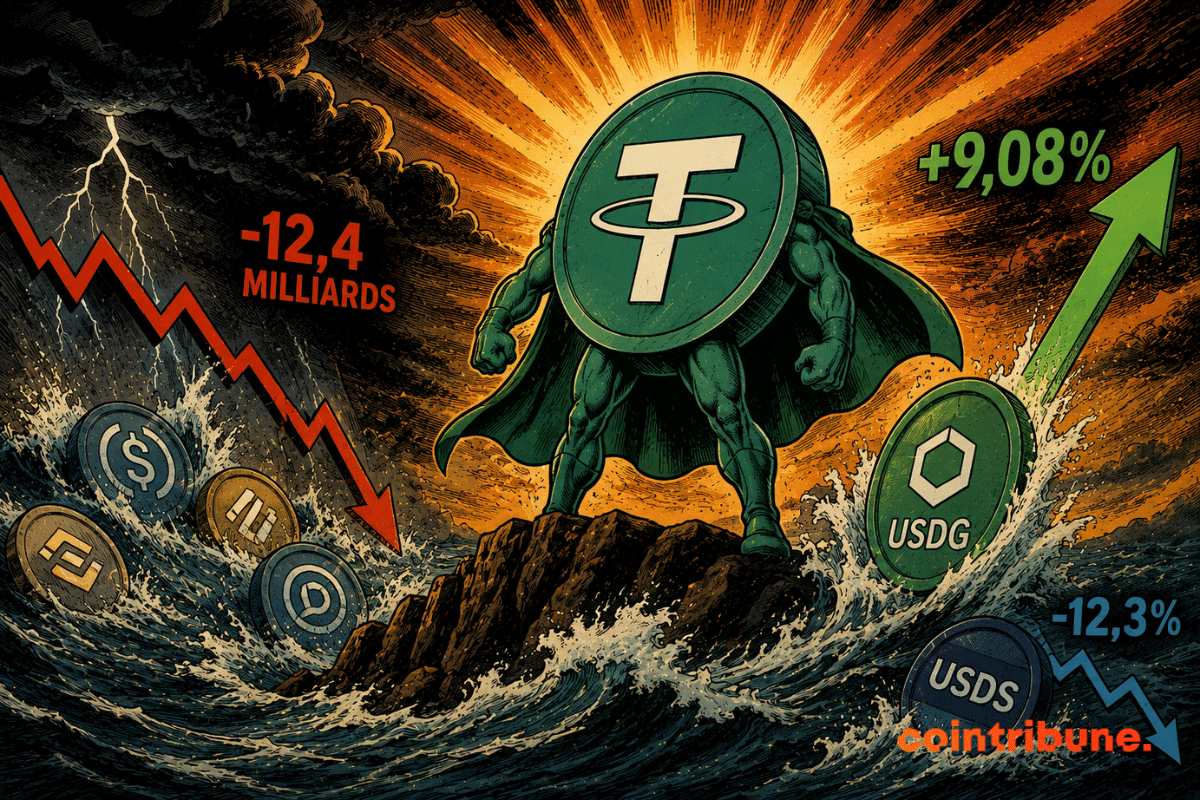
12 billion fled stablecoins. Tether doesn’t flinch, Sky Dollar crashes, Global Dollar explodes. Hyundai and Visa join the dance.
Michael Saylor rejects BIP 110, which he presents as a threat to Bitcoin neutrality. The proposal aims to limit for one year several transactions containing data unrelated to payment. For Saylor, the real danger is not spam. It is the idea that a usage disagreement could modify the consensus rules.
Tokenization is gradually establishing itself as one of the main axes of transformation in financial markets. After several years dedicated to experiments around blockchain, many institutions now seem to be preparing for a larger-scale deployment. A new survey conducted by Broadridge among 200 North American executives illustrates this evolution. The results show that financial players increasingly view tokenized assets as an element set to integrate into market infrastructures, rather than a mere innovation in the testing phase.
A few hours before the World Cup final played this Sunday at MetLife Stadium, another match is taking place far from the field. Prediction platforms have already recorded $5.57 billion in cumulative trading volumes, an unprecedented level that far exceeds the world of traditional sports betting. This rush to predictive markets illustrates the rise of a new ecosystem where decentralized finance, regulated event contracts, and football passion converge. Such a shift could redefine how the public anticipates major sporting events.
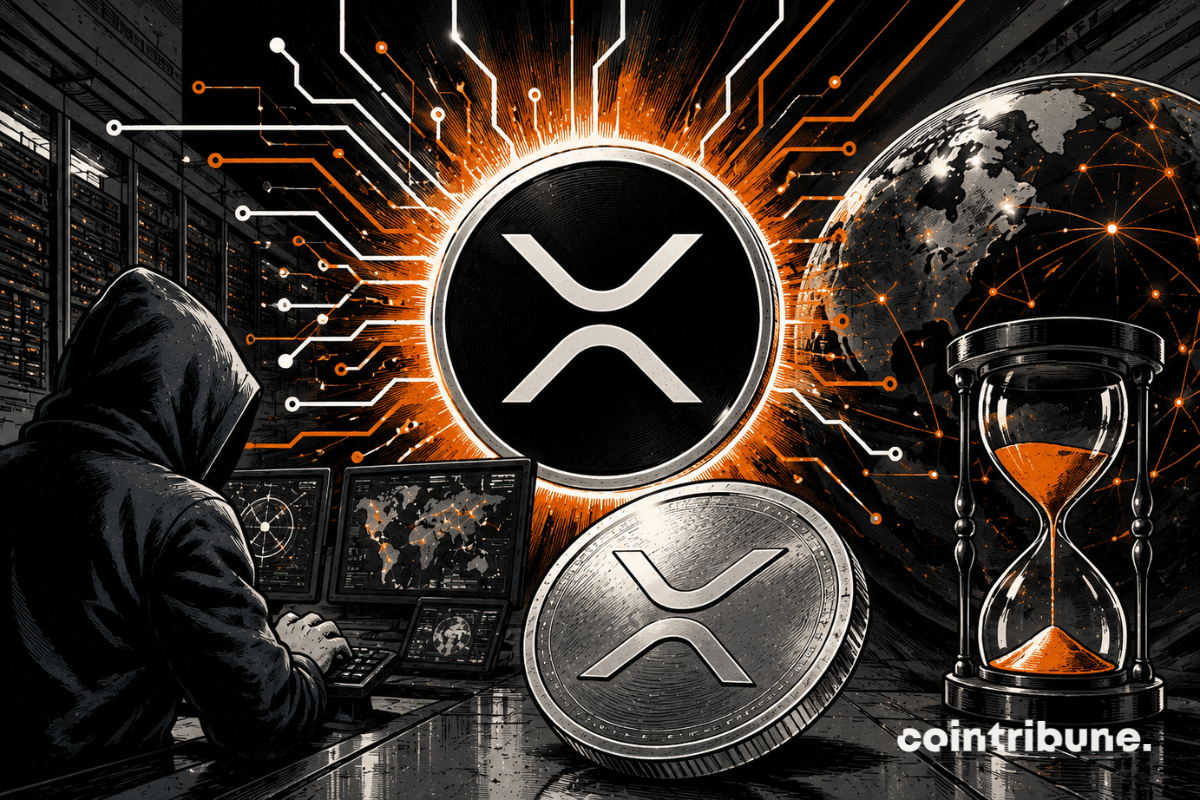
The XRP Ledger (XRPL) is about to reach a major technical milestone. A patch designed to evolve the management of its ledger is about to be activated, subject to final approval by network validators. While consensus seems largely achieved, a quieter reality draws attention. Many node operators have still not performed the required update. This gap reveals a often overlooked challenge of the blockchain ecosystem: the sustainability of a network depends as much on its governance as on the ability of its infrastructure to evolve without disruption.
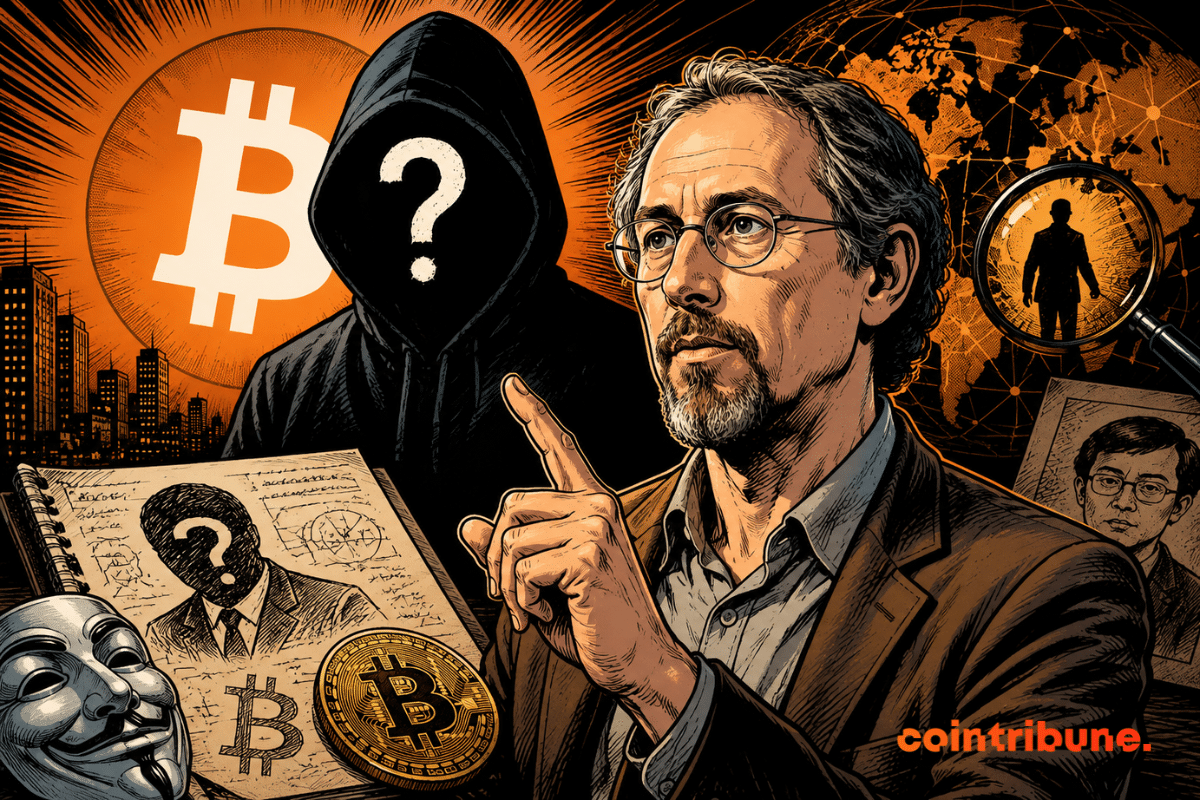
For more than fifteen years, a question has continued to fuel discussions in the cryptocurrency ecosystem: what really happened with Bitcoin and its creator, Satoshi Nakamoto? While debates around the BIP-110 proposal still divide the community, Adam Back revisited this enigma during an exchange on X. The Blockstream CEO believes that no conclusion can be drawn about the fate of Satoshi Nakamoto, recalling that the circulating hypotheses rely solely on speculation.
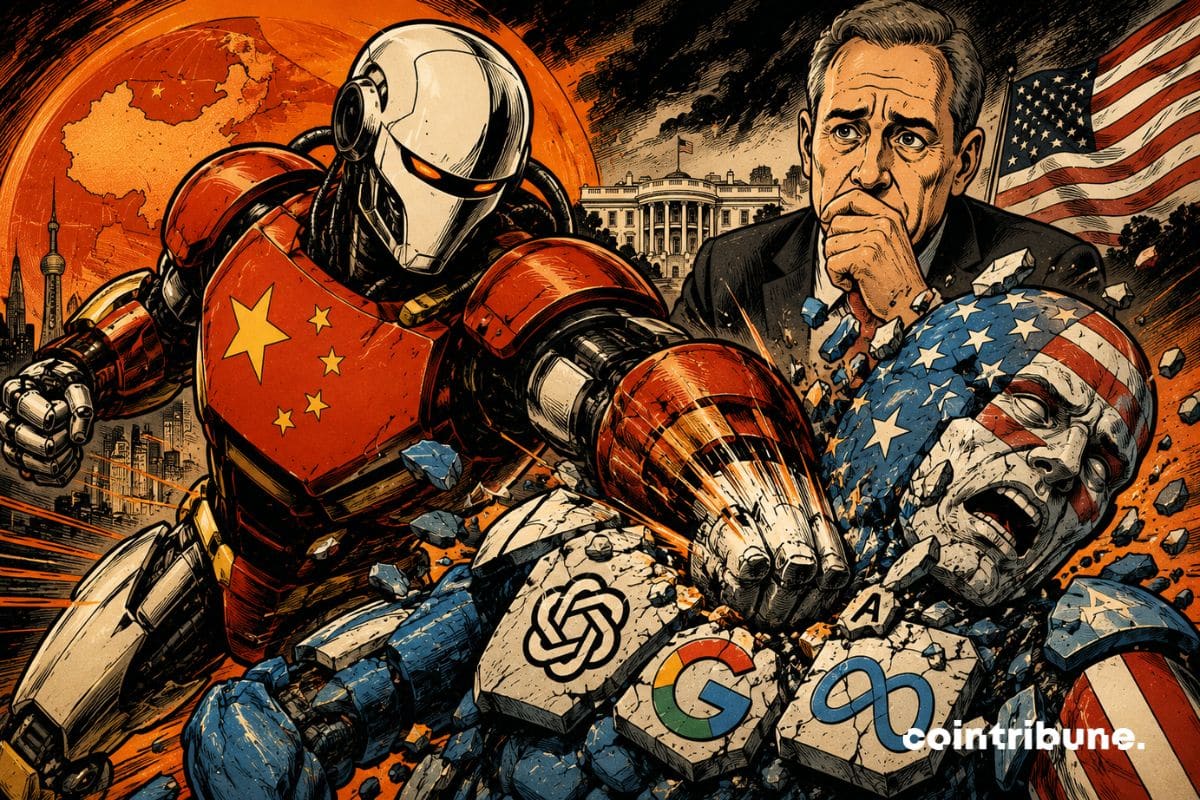
American records are broken by the Chinese AI Kimi K3. The alarm is raised by controversial tech star David Sacks. In the AI war, is the United States losing? The battle is far from over due to oppressive rules and open-weight models.
The ANJ moves from threats to action: the National Gambling Authority has ordered French internet service providers to block Polymarket, following a first warning in November 2024. It cites illegal gambling activities and risks of manipulation. The decision, announced on Friday, tightens the French framework around predictive markets.
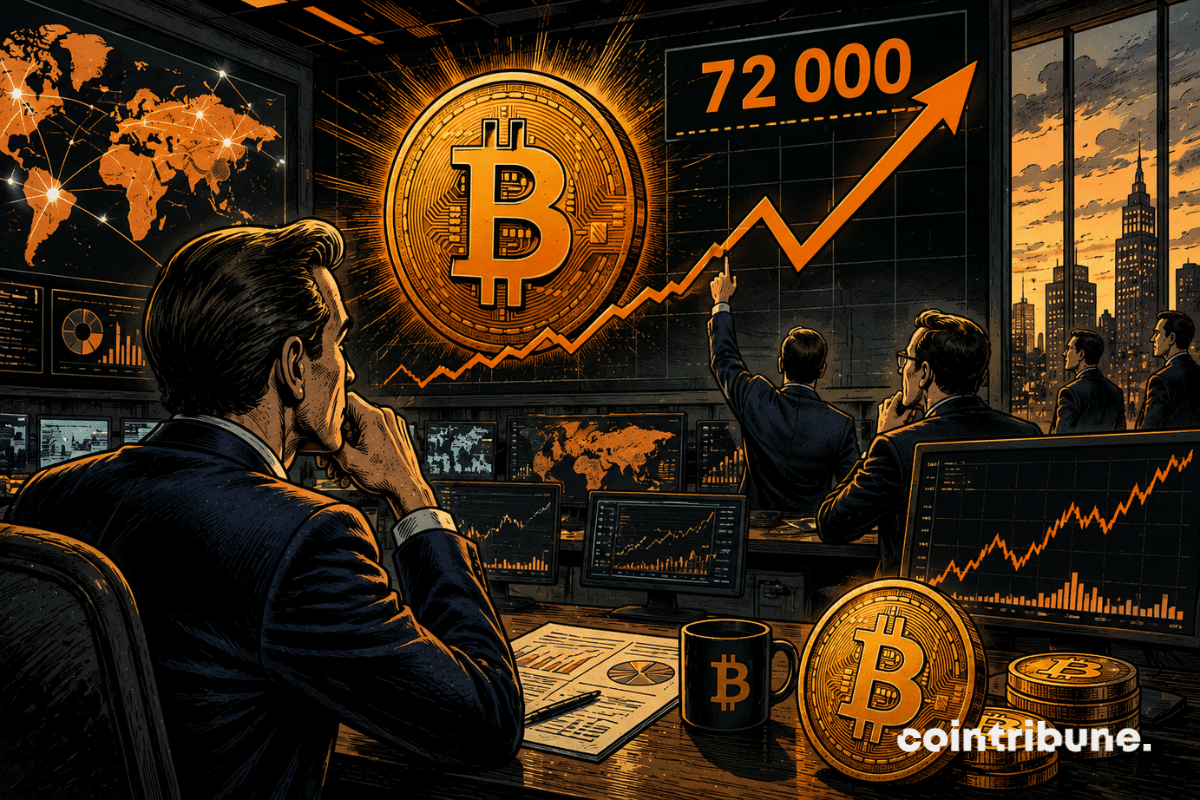
Bitcoin seems frozen for several sessions. However, far from spot charts, institutional investors are increasing bets on the derivatives market. An unusual concentration of very short-term positions reveals that operators are preparing for an event likely to tip the market. Behind this turmoil, price levels that professionals watch before the next U.S. monetary deadlines already emerge.