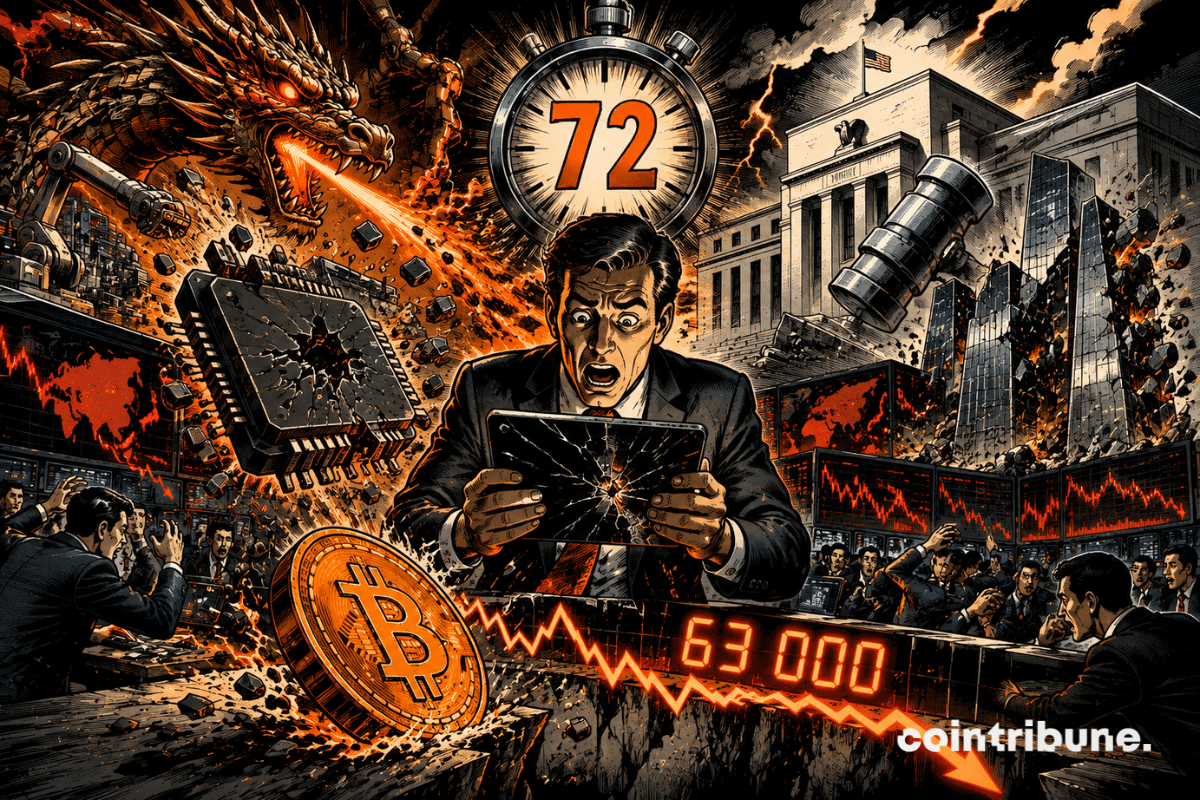
Bitcoin briefly fell below $63,000, driven by a sharp correction in global technology stocks. The rout of chipmakers in Asia, doubts about AI financing, and the threat of a US rate hike triggered a widespread risk-reduction movement.

Lido starts consolidating over 8 million ETH, valued at 16.5 billion dollars, into a much smaller number of validators. This migration could reduce the total number of active validators on Ethereum by one third. The network should thus process fewer technical messages, without directly changing gas fees or speeding up user transactions.
While Wall Street wobbles under the weight of profit-taking on artificial intelligence giants, the crypto market refuses to give in to panic. This unexpected resistance fuels a change in perception among investors, who see a dynamic distinct from that of tech stocks emerging. This sequence takes on a particular dimension as a decisive week approaches, marked by the Federal Reserve meeting, the publication of the PCE index, and the results of major Tech companies.
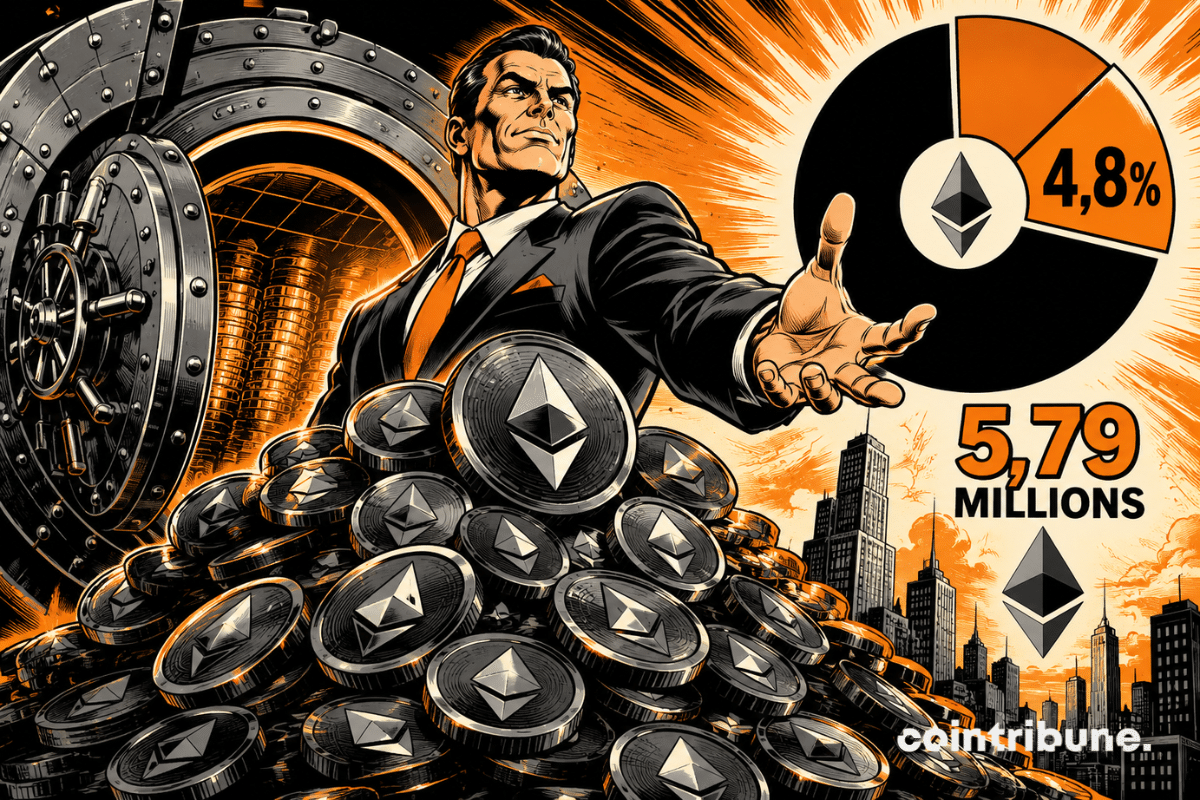
BitMine continues its accumulation strategy and hits a new milestone on Ethereum. The company announced holding 5.79 million ETH, about 4.8% of the total cryptocurrency supply. This increase follows a new purchase completed during the past week. At the same time, a large part of its assets already participates in staking, while the group strengthens its position among the largest institutional holders of publicly traded digital assets.
A few days before the monthly close, bitcoin sends a signal that worries the market. For the third time in a few hours, the leading crypto failed below the $65,500 resistance, triggering a wave of liquidations estimated at $75 million. This new rejection reminds us that a market dominated by leverage can flip in moments, between hopes of recovery and a sudden return of selling pressure. A technical weakness that reignites questions about bitcoin's ability to regain bullish momentum.
Binance's Android app has disappeared from the Google Play Store in several European Union countries since July 27, 2026. This removal follows directly the MiCA regulation, whose transition period ended on July 1. The world's leading crypto platform is deprived of a major distribution channel in the Old Continent.
After four weeks without a single bitcoin purchase, Strategy breaks with a habit that seemed immutable. Michael Saylor's company, which has become the largest institutional holder of BTC in the world, has suspended its weekly acquisition pace to prioritize strengthening its dollar cash reserves. This change of course comes as the market watches every move, as Strategy's decisions influence investor sentiment. Is this a simple financial adjustment or a turning point in the American giant's strategy?
The cryptocurrency sector is going through a new phase where several companies are redirecting their communication towards AI. This evolution is causing reactions within the industry, notably at Coinbase. Its CEO, Brian Armstrong, believes that this opposition between blockchain and artificial intelligence is based on a misreading of technological developments. According to him, these two fields should not be considered competitors but as technologies capable of working together to support future digital uses.
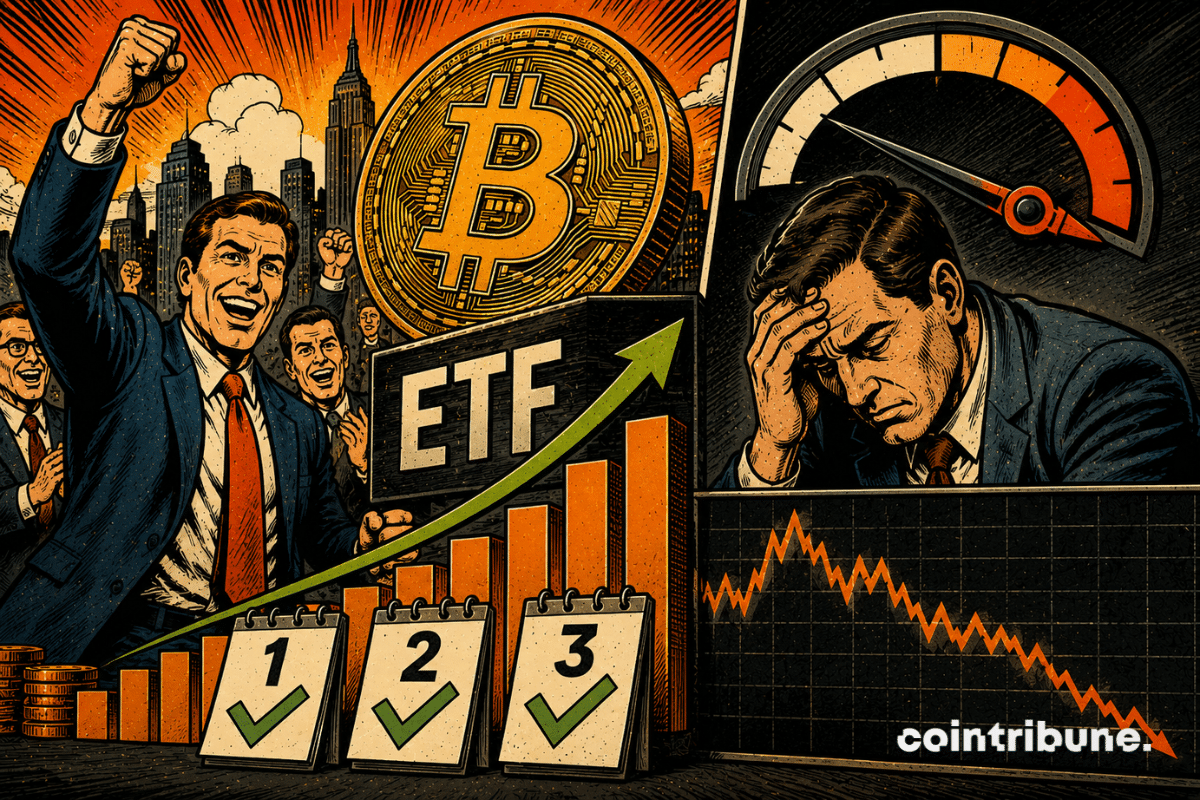
US-listed spot bitcoin ETFs netted 33.79 million dollars inflows in the week ending July 24. This third consecutive week in the green marks a first since early May. However, massive end-of-week outflows dampened the emerging optimism.
In an interview with The Economist, Elon Musk predicts that money will disappear by 2036. Analysis of his economic theory.
Binance remains the largest crypto exchange platform in the world. However, it has not been accessible to French residents since July 1, 2026, due to the lack of MiCA approval. This double fact changes everything in a Binance review in 2026: the fees and catalog remain excellent, the regulatory question settles the debate. Here is our analysis, and the alternatives still on the table.
Morgan Stanley's Bitcoin fund continued to attract capital while other major U.S. products experienced withdrawals. On July 23, MSBT recorded $5 million in inflows against $225.1 million in outflows across the market. This resilience places the new banking fund against the trend of a hesitant institutional demand.
For two years, the earliest bitcoin holders regularly fueled the market by selling part of their holdings. However, this dynamic has just stopped. In the second quarter, the oldest wallets, inherited from the early days of the network, almost ceased transferring their BTC. This unprecedented slowdown in selling pressure, highlighted by Galaxy's on-chain data, could change the market balance. Behind this calmness, a cycle change may be emerging that traditional indicators still struggle to reflect.
Bitcoin mining difficulty dropped by 0.74% at block 959616 this weekend, marking the 15th adjustment of 2026. In the first seven months, decreases outnumber increases by a ratio of 3 to 2. This self-regulation mechanism tells of an industry facing increasing pressure.
This Sunday, July 26, Michael Saylor, Executive Chairman of Strategy, reignited speculation with a post on social media. While the company has paused its bitcoin purchases while strengthening its treasury, every statement from its leader is interpreted as a strategic signal. This new statement rekindles expectations around a possible resumption of acquisitions, in a context where Strategy's moves continue to influence the market.
The cryptocurrency market continues to lose several historic platforms. Within a few months, Bit.com and then BitMEX announced their gradual disappearance. Now, BitMart also confirms the cessation of its activities according to a specific schedule. This new closure directly affects the users of the exchange, invited to close their positions and withdraw their assets before the different deadlines set by the platform. This succession of announcements marks a new phase for several industry players.
Bitget received two industry awards during its first appearance at Wiki Finance Expo Hong Kong 2026. The recognition comes as the exchange expands its CFD and multi-asset trading ecosystem beyond conventional crypto markets. For Bitget, the awards support a wider message: the next exchange model will connect digital assets, stocks, commodities, forex and indices inside one capital environment.
Binance uses monthly simulated attacks to train its teams against hackers. An extreme method, but effective? Discover how the platform reinvents crypto security and why BNB remains a prime target.
Markets will ultimately not get the hoped-for respite. As the temporary tariffs implemented 150 days ago expired, Donald Trump chose to revive the trade war by announcing, this Friday, a new wave of taxes targeting about sixty economies. Presented as a response to forced labor in certain supply chains, this offensive goes far beyond trade. It reignites tensions between the United States, China and the European Union, while fueling a new phase of volatility in financial markets and alternative assets.
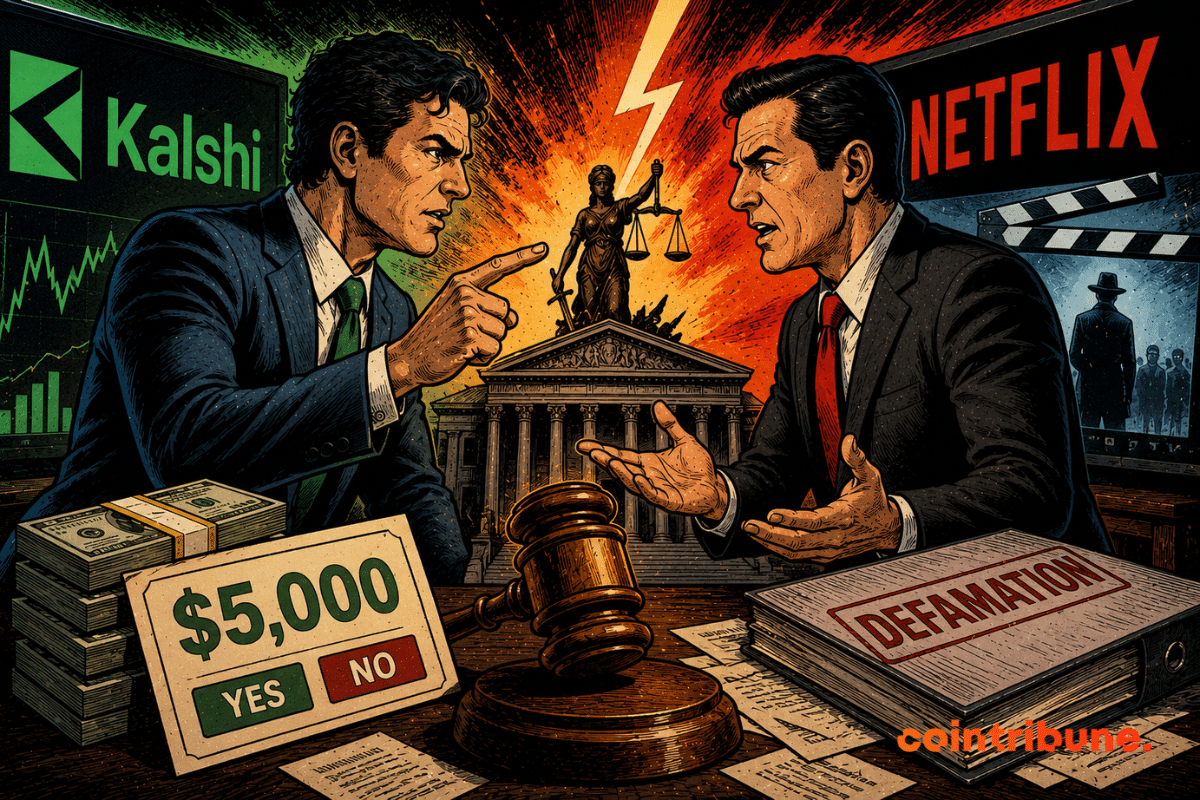
Netflix wanted to make a splash about prediction markets. Instead, they're drowning in a lawsuit. Kalshi says the trailer is built on fiction — and the bill could be steep.
Michael Saylor, CEO of Strategy, designed a 953-hour program to explain his vision of Bitcoin. Between leadership and economics, this curriculum reveals the keys to his strategy. Why might this program change your view on BTC?
Is Ethereum just going through a simple consolidation phase or have investors already turned the page? While the crypto market watches for the slightest sign of a rebound, prediction platforms like Polymarket display a pessimism rarely seen towards the sector's second largest capitalization. Having returned around 1,880 dollars after a brief passage above 1,950 dollars, ETH remains above its late June low at 1,510 dollars, without convincing. This gap between a still solid network and a degraded market sentiment raises the question: how far can distrust go?
North Korean authorities have arrested a group of former cyber operators and IT specialists accused of hacking two public banks and laundering funds via cryptocurrencies. South Korean media Daily NK revealed the case on July 25, citing an anonymous source in Pyongyang. A case that disrupts the usual narrative of North Korean cyberattacks, which were until now systematically directed outward.
After weeks of continuous inflows, capital is beginning to leave American spot ETFs dedicated to cryptos. This reversal, observed at the end of July, marks a break in the momentum that had been supporting the market for several weeks. Far more than a simple flow indicator, these funds have become the main barometer of institutional demand. Their move into the red could reveal a change of mood on Wall Street regarding Bitcoin, Ethereum, and more broadly, the entire crypto market.
The U.S. House of Representatives has taken a new step in regulating investments made by lawmakers. Representatives passed a bill that now prohibits members of Congress, their spouses, and dependent children from buying publicly traded stocks, while allowing them to keep and then sell stocks they already own. This decision opens a new debate on conflict of interest prevention before the Senate examines the bill.
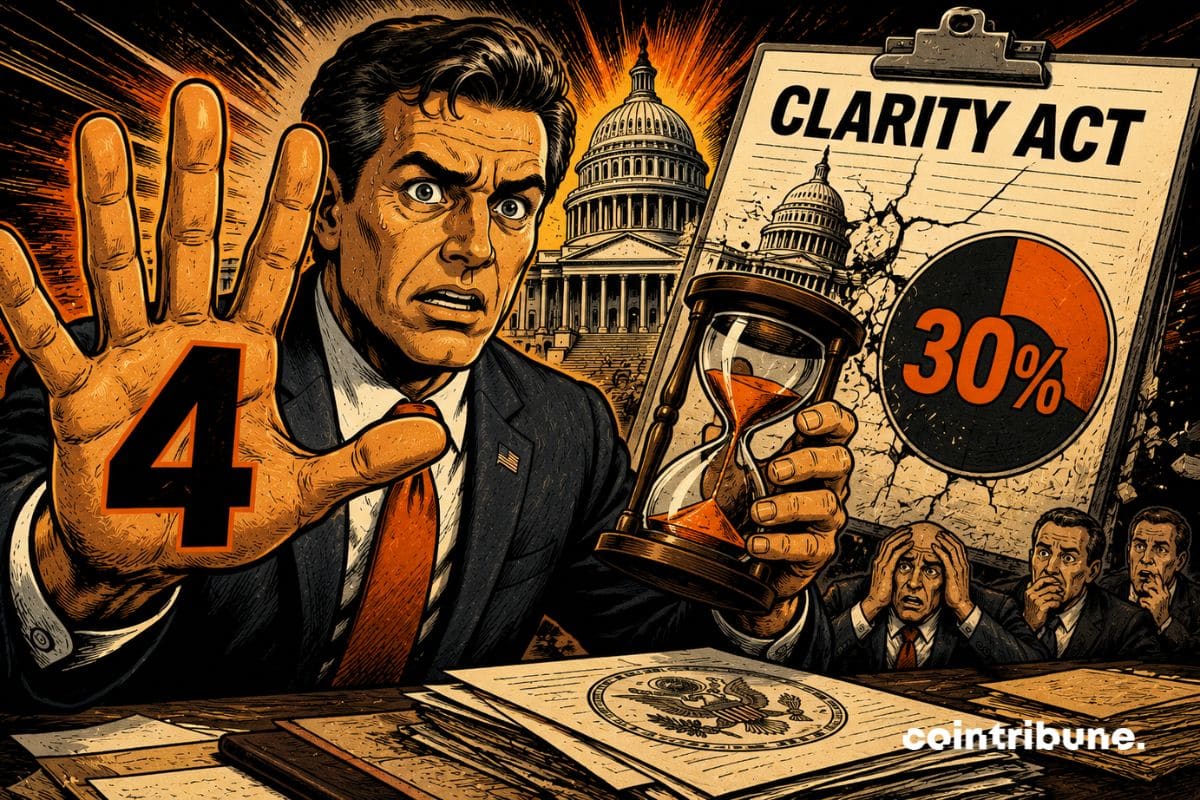
The CLARITY Act has a 30% chance of being adopted... and 4 days to convince the Senate. If this law fails, Bitcoin and cryptos in the USA could plunge into chaos. Everything is at stake now!
Dogecoin-backed ETFs still struggle to convince investors. After a brief surge in subscriptions, institutional interest quickly waned, confirming the difficulties these products face in establishing themselves in the market. As asset managers look to expand the crypto ETF offering beyond bitcoin and Ethereum, funds linked to memecoins illustrate the limits of this diversification. This new stagnation phase raises questions about the real appetite of investors for these atypical financial vehicles.
Bitget’s Reality rTokens recorded up to 58% lower simulated slippage than competing tokenized equity products on $50,000 orders, according to a CryptoRank study. The result places execution quality at the centre of the tokenized stock race. Offering blockchain-based exposure is no longer enough. Platforms must also prove that traders can enter or exit larger positions without moving the price sharply.
The US spot Bitcoin and Ethereum ETFs recorded a combined net outflow of $310.62 million on July 24, 2026, according to data compiled by SoSoValue. This slowdown marks the end of a relatively calm period for crypto-listed products. The reversal mainly affects Ethereum funds, which had seen five consecutive days of inflows.
The acquisition of Exaion by MARA continues to raise questions several months after its completion. A lawsuit filed in the United States now challenges the presentation of this operation to the French authorities. According to this legal document, the development of Bitcoin mining was part of the project from the beginning, while public communications mostly highlighted artificial intelligence and high-performance computing. This new procedure thus opens both a legal and political debate.