



Press release

Mon 13 Apr 2026 ▪
5 min read
PARIS, April 13, 2026 - Laurent Nuñez, Minister of the Interior, Anne Le Hénanff, Minister Delegate for Artificial Intelligence and Digital Affairs, Jean-Didier Berger, Minister Delegate to the Minister of the Interior, and Clara Chappaz, Ambassador for Digital and Artificial Intelligence, will speak at Paris Blockchain Week 2026, which will also welcome around twenty Members of the National Assembly.

Wed 01 Apr 2026 ▪
6 min read
VICTORIA, Seychelles, March 31, 2026 - Global crypto trading platform BYDFi will mark its 6th anniversary with a month-long celebration beginning on April 1, 2026, highlighting BYDFi’s evolution into an all-in-one crypto trading platform built on a CEX + DEX dual-engine model. Over the past six years, BYDFi has continued to strengthen product infrastructure, user safeguards, and market access, shaping a platform built for reliability.

Wed 25 Mar 2026 ▪
9 min read
As tokenized real-world assets move toward a multi-trillion-dollar market, REAL Finance is building a Layer 1 blockchain designed specifically for regulated financial products, institutional validators, and investor protection.

Mon 16 Mar 2026 ▪
3 min read
Paris, March 143, 2026 – Following the announcement that Token 2049 Dubai will not take place as planned, many companies across the digital asset sector are now reconsidering their plans for the spring conference season.

Fri 13 Mar 2026 ▪
4 min read
VICTORIA, Seychelles, March 12, 2026 — BYDFi announced the integration of its perpetual futures market data into TradingView, allowing traders to access real-time prices and crypto market signals directly within TradingView charts. This integration promotes more efficient workflows…

Fri 13 Feb 2026 ▪
10 min read
Consensus Hong Kong 2026, held from February 10–12 at the Hong Kong Convention and Exhibition Centre, wrapped its second edition after three days of high-impact programming that attracted 11,000 registered attendees representing over 122 countries and regions.

Wed 04 Feb 2026 ▪
4 min read
For years, blockchain conferences have been dominated by crypto-native narratives. Protocols talking to protocols, builders talking to builders. Paris Blockchain Week 2026 takes a different approach.

Thu 22 Jan 2026 ▪
3 min read
Crypto portfolio management platform adds real-time position monitoring for three major perpetual trading protocols
Tue 20 Jan 2026 ▪
10 min read
The crypto market faced a sharp correction in the final quarter of 2025, with total market capitalization plunging -23.7% to finish at $3.0 trillion. This marked a -10.4% Year-on-Year decline, crypto’s first annual downturn since 2022. While the quarter saw a brief all-time high of $4.4 trillion, a historic $19 billion liquidation event in October, sent prices slumping. Despite the price retreat, volatility pushed average daily trading volumes to a yearly high of $161.8 billion, while the stablecoin sector climbed +48.9% annually to hit a record $311.0 billion.

Fri 16 Jan 2026 ▪
6 min read
Singapore, 16 January 2026 – Veera, a crypto-powered financial services platform focused on inclusion and usability, has raised a total of $10 million across its pre-seed and seed funding rounds to accelerate product development and to expand access to on-chain financial services globally.
Tue 14 Apr 2026 ▪
3 min read
▪
by
Quantum computing is shaking cryptocurrencies, but Bitcoin has a head start. According to Bernstein, the market has already anticipated this threat, and investors have 5 years to prepare.

Tue 14 Apr 2026 ▪
3 min read
▪
by
The Bank of Japan has just offered indirect support to Bitcoin. By cooling expectations of a rate hike at the end of April, it reduces one of the major risks weighing on the crypto market. The signal is discreet, but its effect is powerful: the yen remains weak, financing stays cheap, and risky assets breathe easier.

Tue 14 Apr 2026 ▪
4 min read
▪
by
Nikita Bier rekindles speculation around X Money. By mentioning a product capable of "fixing" the difficult year for crypto, the former product manager of X mainly reopened an old question: Can X become a real gateway to digital assets?
Tue 14 Apr 2026 ▪
3 min read
▪
by
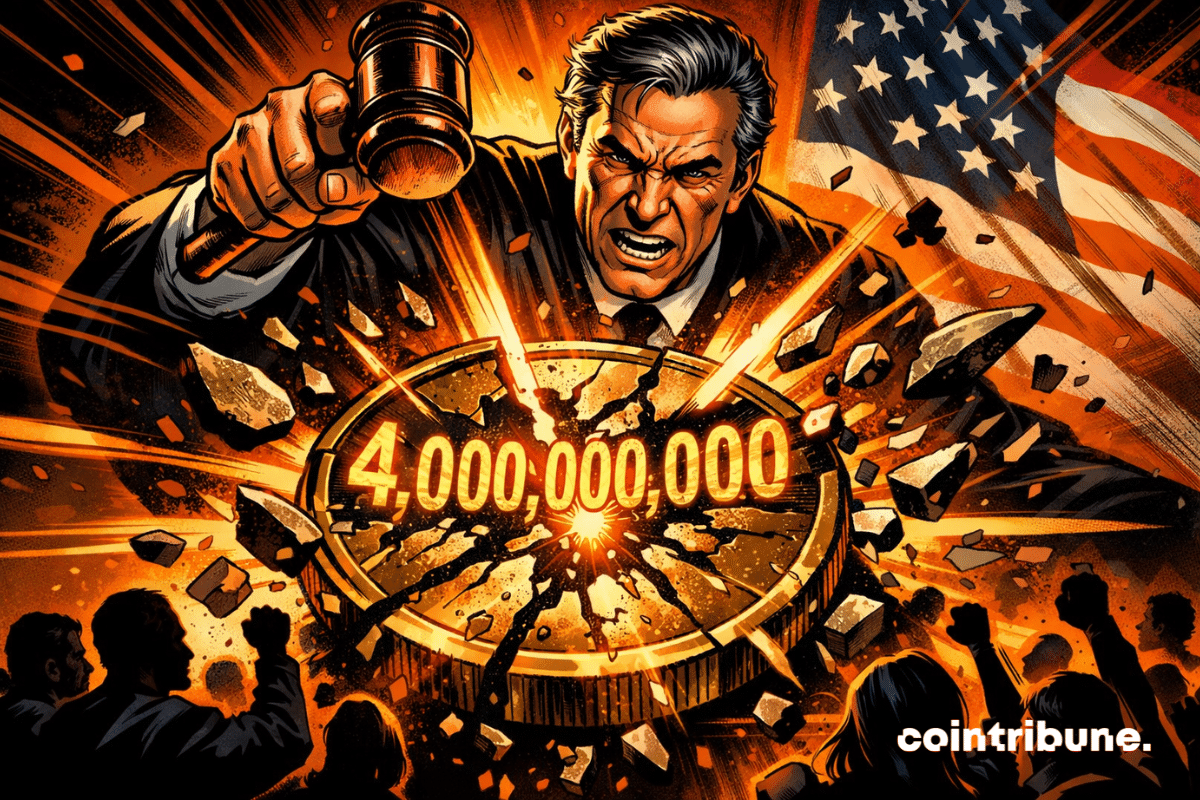
The biggest crypto scam in history resurfaces. The US Department of Justice (DOJ) has just activated a compensation process for OneCoin victims. Forty million dollars are available. For a fraud estimated at 4 billion. The calculation is quick.

Tue 14 Apr 2026 ▪
3 min read
▪
by
Kevin Warsh moves closer to a key Senate hearing, but administrative blockages, political tensions, and an investigation targeting Jerome Powell slow his appointment to lead the Federal Reserve.

Tue 14 Apr 2026 ▪
4 min read
▪
by
The XRP derivatives market has just recorded a sharp drop, with a contraction of more than 78% since October 2025. This decline marks a clear disengagement of traders and a weakening of speculative leverage around the asset. In an already uncertain context, this evolution raises questions: is it a simple market adjustment or a deeper signal about XRP's dynamics?

Tue 14 Apr 2026 ▪
3 min read
▪
by
Bitcoin crosses the $74,000 mark again, supported by renewed investor interest. Behind this movement, the market is crossed by opposing forces. Institutional demand supports prices, while persistent sales limit the extent of the rise. This return to a key level comes in a context of tension, where the balance between buyers and sellers remains uncertain.
Tue 14 Apr 2026 ▪
4 min read
▪
by
Failed extortion attempt against Kraken: the exchange reveals everything and refuses to yield. What you need to know about this crypto news.
Tue 14 Apr 2026 ▪
5 min read
▪
by
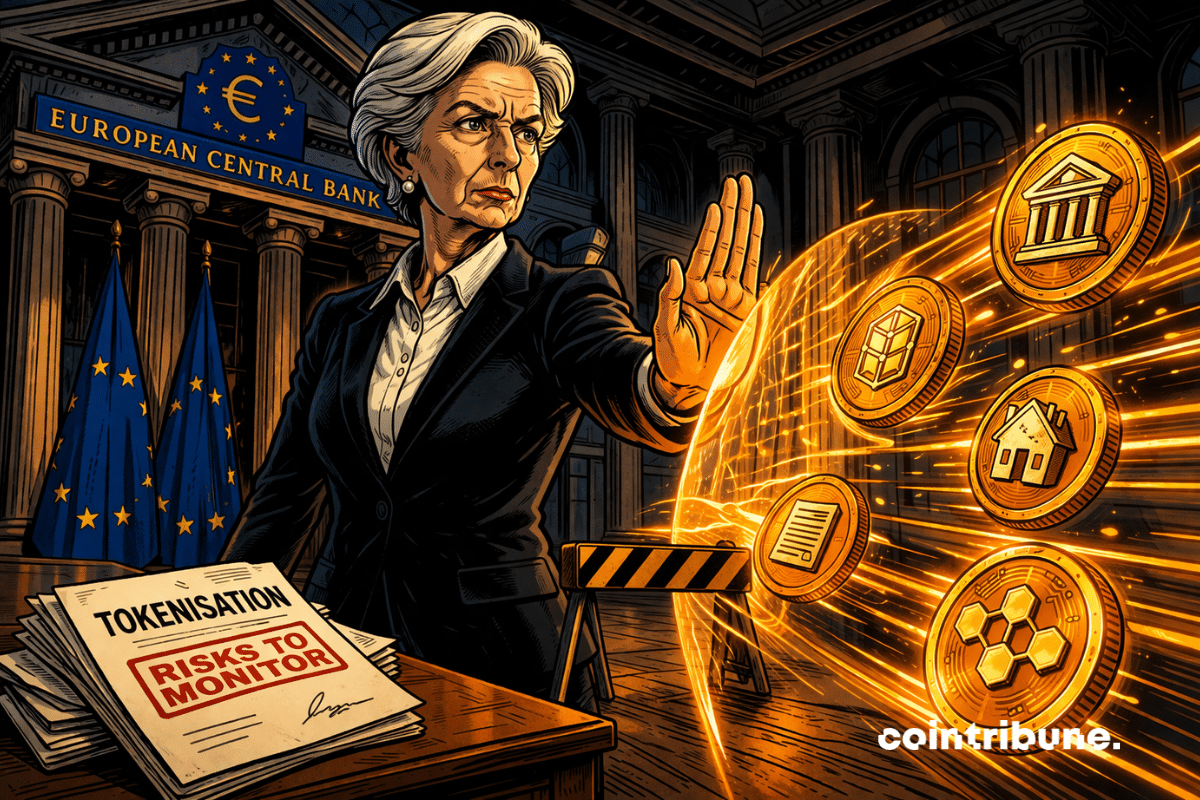
In Frankfurt, flashy cryptos are often snubbed, but well-groomed tokenization is pampered. Moral: blockchain is allowed in the lounge, provided you take off your shoes, stablecoins, and crazy ideas.

Mon 13 Apr 2026 ▪
4 min read
▪
by
In the space of a few weeks, BitMine has intensified its ETH purchases at a rarely seen pace, crossing a holding threshold that is already raising questions in the market. Behind this massive accumulation, Tom Lee shows a clear conviction: the current phase could mark a turning point in the crypto cycle. This strategy, both opportunistic and structuring, now places BitMine at the heart of the dynamics that could shape Ethereum's future.

Mon 13 Apr 2026 ▪
4 min read
▪
by
The European Central Bank has just taken a decisive step in the debate on the regulation of cryptocurrencies in Europe. In an opinion published on Friday, it explicitly supports a proposal from the European Commission that could sustainably transform the way digital assets are monitored on the Old Continent.
Mon 13 Apr 2026 ▪
3 min read
▪
by
$1.1 billion in 7 days! Crypto ETPs have just smashed their records, with Bitcoin leading ($872M) and institutions making a strong comeback. A historic trend or just a rebound?
Mon 13 Apr 2026 ▪
4 min read
▪
by
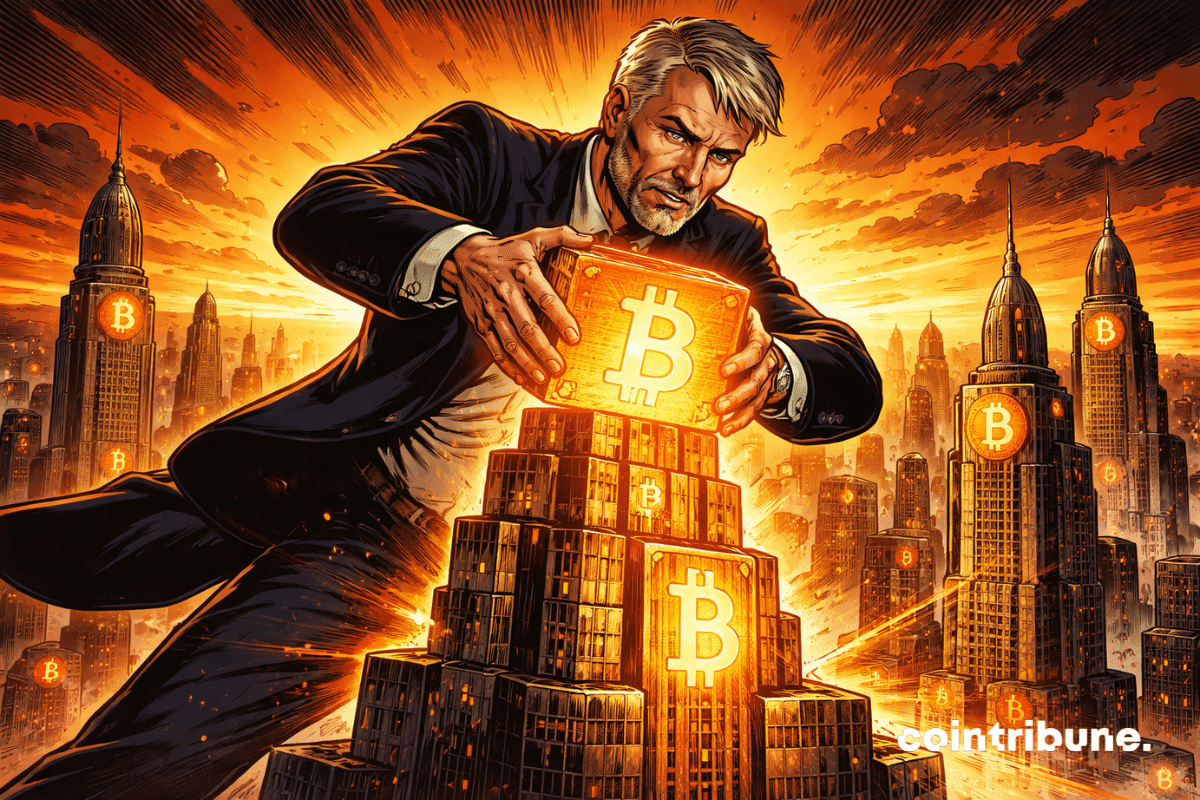
Michael Saylor puts one billion dollars back into bitcoin. Strategy bought 13,927 BTC between April 6 and 12, 2026, bringing its total reserve to 780,897 BTC. Despite volatility and latent losses, the accumulation machine is still running.
Mon 13 Apr 2026 ▪
4 min read
▪
by
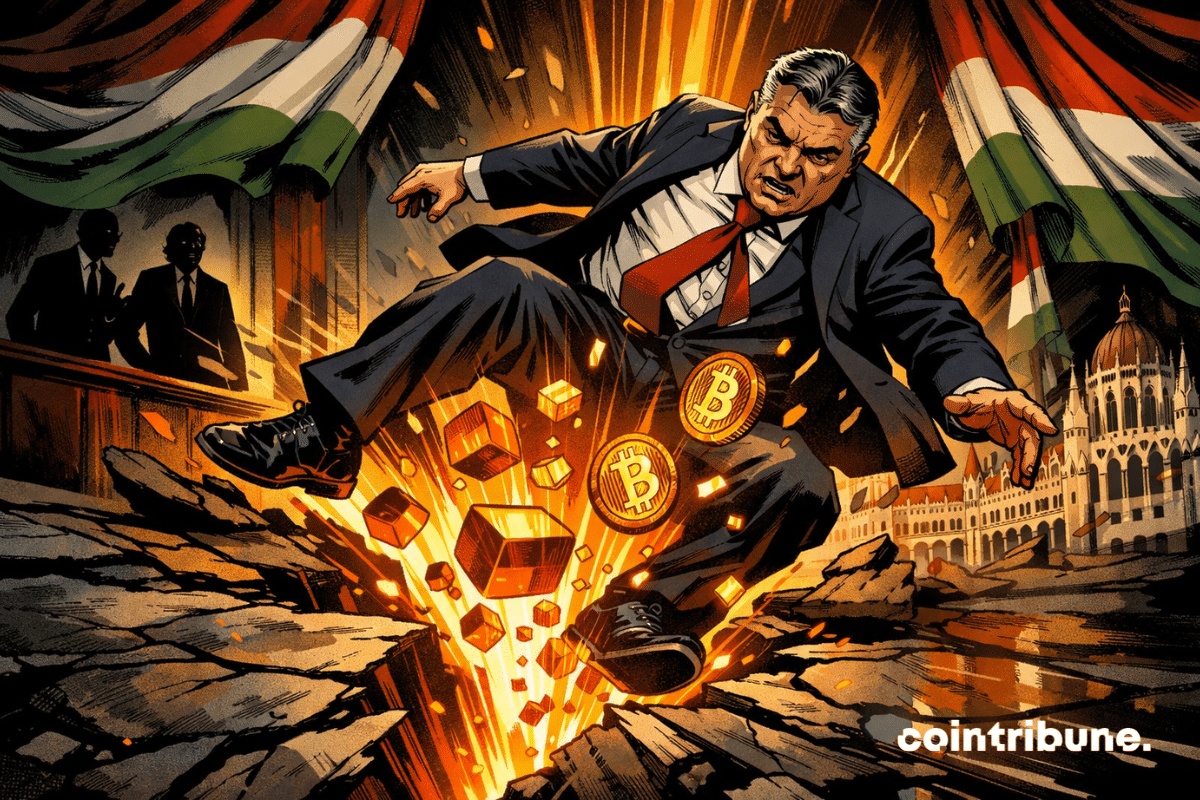
Hungary could become a more breathable ground for crypto after Viktor Orbán's fall. This political shift goes beyond Budapest: it also affects how the European MiCA rules will be applied, or overinterpreted, in a member state.

Mon 13 Apr 2026 ▪
3 min read
▪
by
In a few hours, the price of oil has crossed the 100 dollar mark again after the announcement of a blockade of the Strait of Hormuz by Washington. This nerve center of global energy trade becomes again a major pressure lever in the confrontation between the United States and Iran. Behind this surge, an immediate risk: to see geopolitical tension turn into a global economic shock, with direct repercussions on inflation and financial markets.

Mon 13 Apr 2026 ▪
5 min read
▪
by
The conflict between WLFI and Justin Sun reaches a decisive stage by entering a judicial phase. Between accusations of blacklisting, suspicions of token control, and lack of transparency, this case highlights potential governance flaws in DeFi and could mark a turning point for investors.

Mon 13 Apr 2026 ▪
4 min read
▪
by
The countdown to the 2028 halving has already begun… and it exposes a reality that few investors anticipate. At the midpoint, the mining ecosystem enters an unprecedented tension zone, far from the balances observed during the previous cycle. Rising costs, increased competition, and structural changes reshape the rules of the game. This halfway point is not trivial, as it marks the beginning of a decisive turning point for companies in the sector as well as for the entire Bitcoin market.
Mon 13 Apr 2026 ▪
4 min read
▪
by
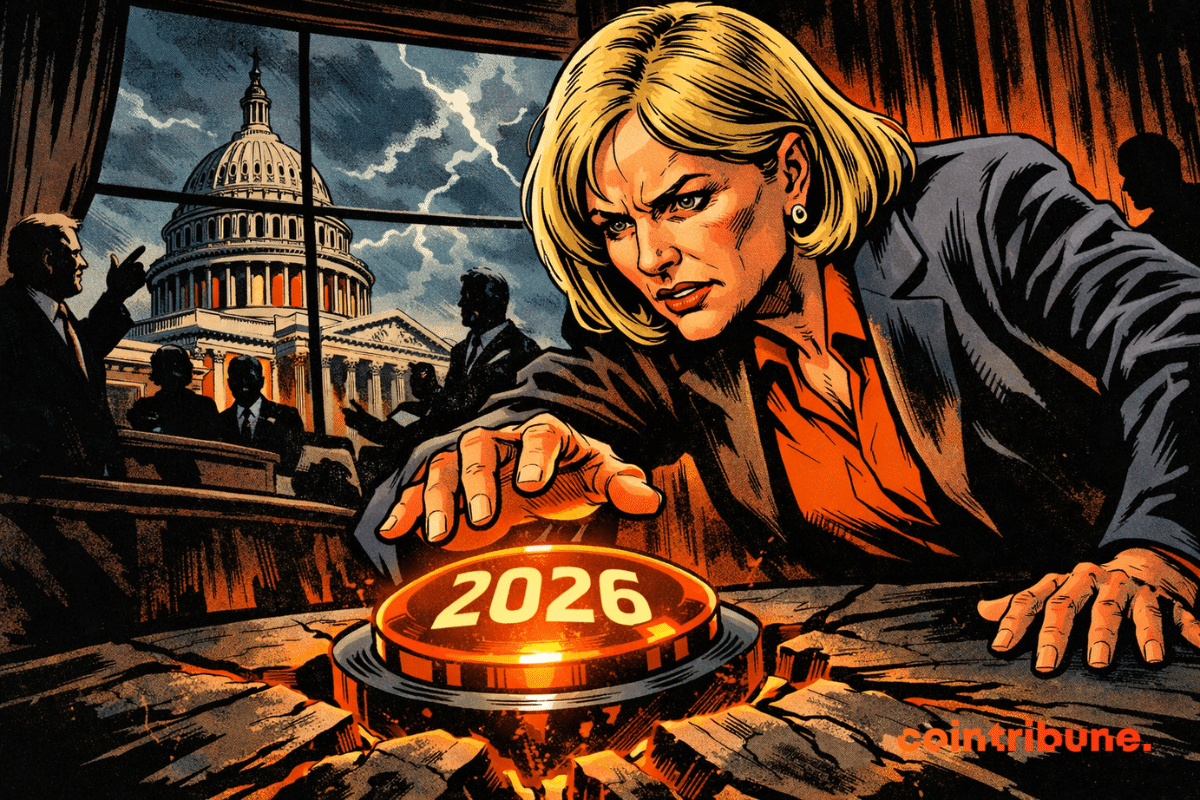
Crypto news - Senator Lummis warns: the CLARITY Act must be voted now or wait until 2030. Full analysis in this article!

Mon 13 Apr 2026 ▪
5 min read
▪
by
While the crypto market coughs and looks at its shoes, Saylor reloads the Bitcoin wheelbarrow. Fourteen billion in losses? Not even scared, he asks for more.

Sun 12 Apr 2026 ▪
3 min read
▪
by
China has just sent a signal that could impact the global financial balance. By massively liquidating its US Treasury bonds while strengthening its gold reserves, Beijing is undertaking a strategic repositioning with potentially profound implications. Behind these figures, a dynamic is emerging that questions the dominance of the dollar and is already capturing the attention of markets, including the crypto market.

Sun 12 Apr 2026 ▪
5 min read
▪
by
Perpetual contracts from traditional finance are exploding. In a few months, their volumes have tripled, driven by continuous and flexible trading. At the heart of this dynamic, Binance establishes itself as a key player, capturing a large share of liquidity and redefining market rules.
Sun 12 Apr 2026 ▪
3 min read
▪
by
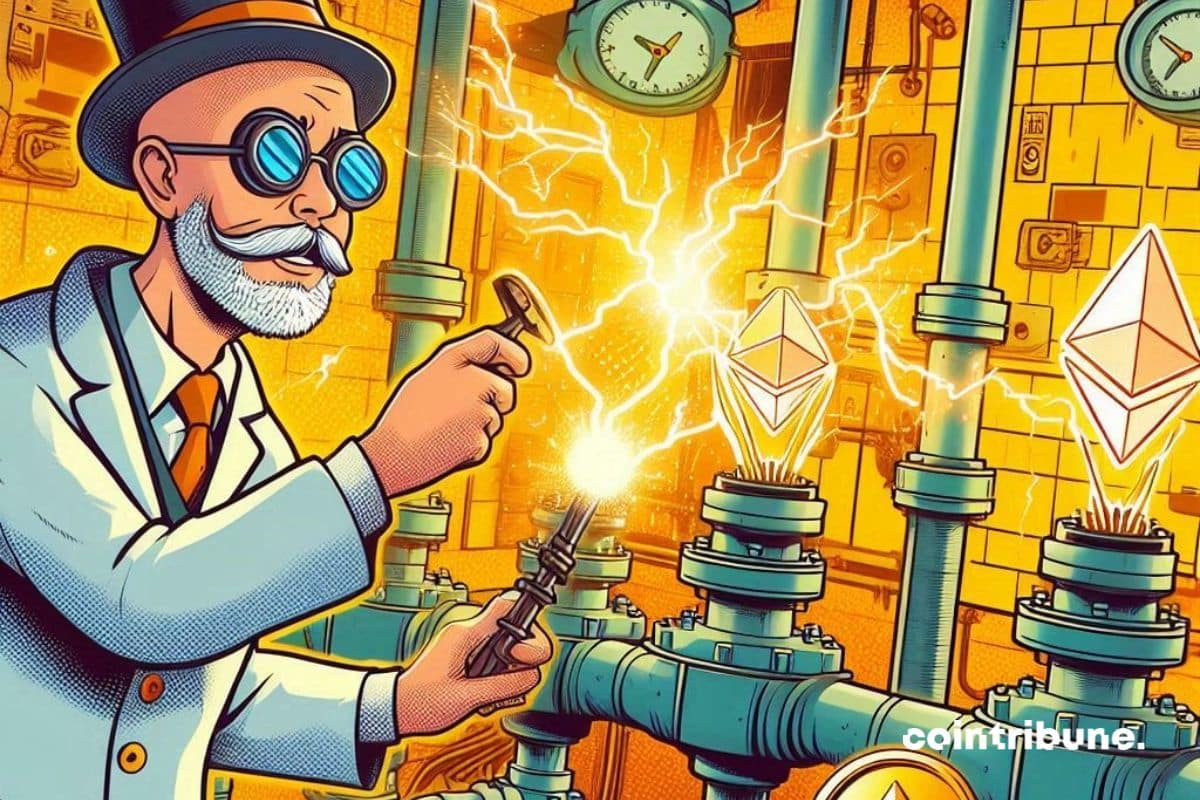
While Ethereum (ETH) stagnates around $2,200, the Glamsterdam upgrade enters advanced testing phase. Will this latest technical evolution be enough to revive the momentum of the second largest crypto network?
Sun 12 Apr 2026 ▪
5 min read
▪
by
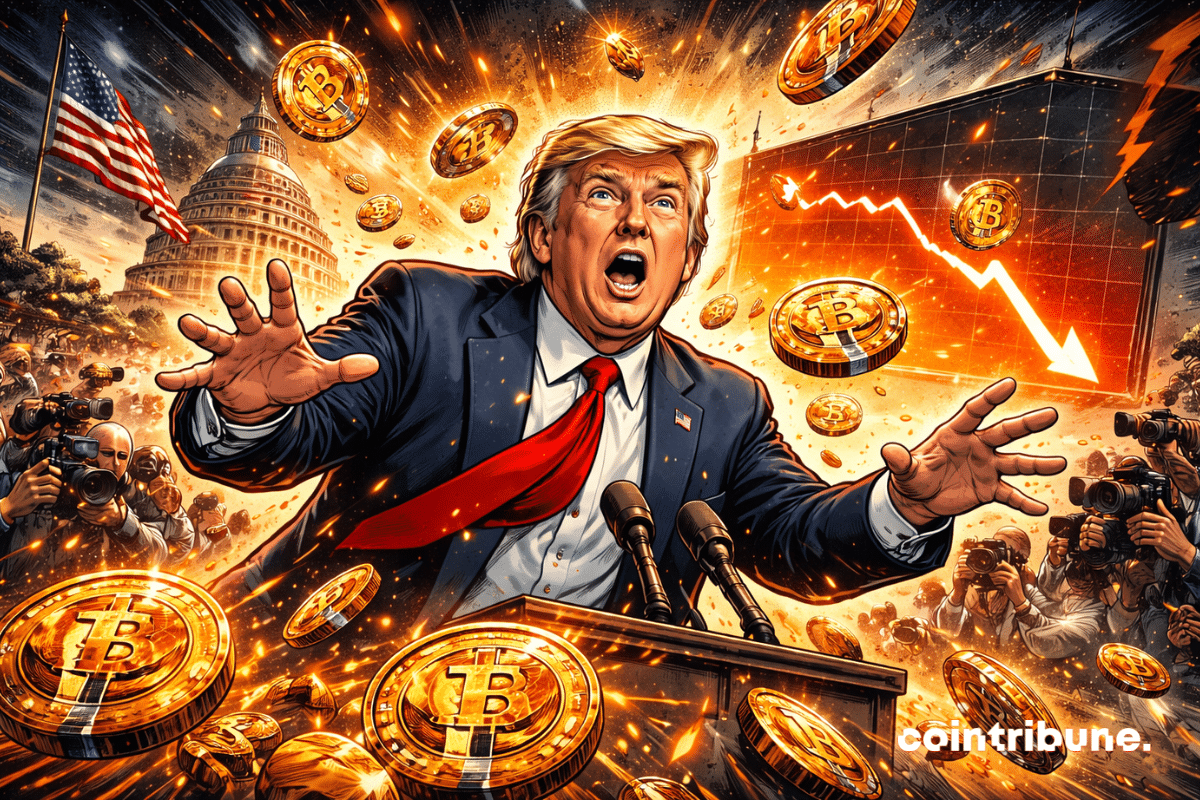
The story no longer looks like a simple speculative fall. It now takes the form of a political problem. As tokens associated with Donald Trump sink, the criticism changes tone. It is no longer just about losses for crypto investors. It is about access, influence, and conflict of interest. The fall of Trump-linked crypto projects now goes beyond market correction. The memecoin TRUMP hit an all-time low of 2.73 dollars and remains crushed by more than 96% compared to its peak of 73.43 dollars. Meanwhile, WLFI set a new floor around 0.077 dollar on April 11 and remains sharply down from its 2025 peak.

Sun 12 Apr 2026 ▪
4 min read
▪
by
Six months after the October 2025 crash, the crypto market has still not regained its balance. Behind the apparent calm, scars remain visible. The question is no longer whether the storm has passed, but what it has truly left behind. Between structural fragility and the absence of clear momentum, the crypto ecosystem seems to be evolving on a much more unstable ground than it appears.

Sun 12 Apr 2026 ▪
3 min read
▪
by
While the price of the crypto XRP tries to extend a recent rebound, activity on its network plummets. This divergence between market and actual usage weakens the ongoing momentum and raises questions about the strength of the movement. On-chain data therefore draws a signal that investors cannot ignore.
The leader in blockchain news, CoinTribune is an independent media outlet, not linked to any blockchain or crypto asset based project or advising, audit, fund management entity. We strive for the highest objective journalistic standards in French, English and Spanish focusing on alternative investments such as blockchain projects and crypto assets.
Request my coaching
Recherche
Subscribe to newsletter
Contact us